


South Africa | Equine health | 31 October 2026
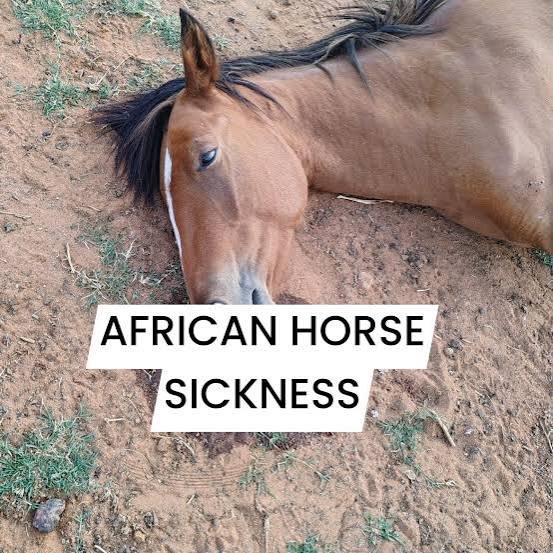
South African veterinary authorities have confirmed African horse sickness (AHS) virus serotype 7 in a horse in the Cederberg Local Municipality of the Western Cape, prompting the establishment of an outbreak containment area, suspension of permits for horse movements out of the affected area and intensified veterinary surveillance.
The Department of Agriculture announced the confirmation on 30 October 2026. Laboratory testing by the University of Pretoria’s Veterinary Genetics Laboratory identified AHS serotype 7 in a single horse on a property located within South Africa’s established African Horse Sickness Protection Zone.
The Western Cape Department of Agriculture and Veterinary Services have initiated tracing, surveillance and census activities to determine whether other equids have been exposed or infected. Authorities have also instructed horse owners to strengthen measures against Culicoides midges, the insect vectors responsible for transmitting the virus.
The Department has strongly discouraged AHS vaccination during the current period, citing the potential for midges to transmit the live-attenuated vaccine strain. It has also confirmed that international trade partners will be notified, with further information on trade implications to follow.
The confirmation is an important development for South Africa’s equine health and disease-surveillance system. However, authorities have stated that there is currently no evidence of large-scale disease activity beyond the affected property.
Key facts: Cederberg African horse sickness case
Parameter |
Reported position |
|---|---|
Country |
South Africa |
Province |
Western Cape |
Affected area |
Cederberg Local Municipality |
Disease |
African horse sickness (AHS) |
Confirmed animals |
One horse |
Laboratory confirmation |
University of Pretoria Veterinary Genetics Laboratory |
Confirmed serotype |
AHS virus serotype 7 |
Zone classification |
Established AHS Protection Zone |
Containment response |
Outbreak containment area established |
Horse movement controls |
No permits to move horses out of the affected area |
Surveillance |
Intensive tracing, surveillance and census activities |
Vaccination advice |
Vaccination strongly discouraged during the current period |
International trade |
Trading partners to be notified |
Movement restrictions introduced under South Africa’s animal-disease legislation
Following laboratory confirmation, authorities established an outbreak containment area under the Animal Diseases Act, 1984 (Act 35 of 1984), and the Western Cape Department of Agriculture’s AHS contingency plan.
Horse movements within the controlled area ordinarily require a permit issued by the State Veterinarian: Boland. However, the Department has confirmed that no permits will be issued for horses to move out of the affected area while investigations and surveillance continue.
The restriction is intended to reduce the risk of potentially exposed horses moving beyond the containment area before the epidemiological investigation is completed.
Veterinary Services, authorised veterinarians and industry partners have commenced intensive:
-
Animal tracing to identify potentially exposed equids and relevant movements.
-
Surveillance to detect additional infections.
-
Census activities to establish the equine population in and around the affected area.
-
Investigation of the extent of potential disease transmission.

