


Bluetongue Surveillance Intensifies as Midge Activity Increases Across the UK
The United Kingdom’s livestock sector is entering a critical phase of the Bluetongue season, with Defra and the Agriculture and Horticulture Development Board (AHDB) confirming an increase in Bluetongue Virus Serotype 3 (BTV-3) cases as biting midge populations become more active during the summer months.
According to the latest national surveillance update, 17 confirmed cases of BTV-3 have been recorded in England and two cases in Wales since the start of the 2026–27 Bluetongue vector season on 1 July. No cases have been reported in Scotland or Northern Ireland during the current season.
The increase has prompted renewed calls for livestock producers to strengthen disease preparedness through vaccination, surveillance and close collaboration with their veterinary advisers.
Battle Bluetongue Campaign Encourages Early Veterinary Action
Alongside the surveillance updates, UK livestock organisations continue to promote the Battle Bluetongue campaign, encouraging cattle and sheep producers to discuss vaccination plans with their private veterinarians.
The campaign provides practical guidance on vaccine selection, risk assessment and disease prevention, helping farmers make informed decisions based on local disease activity and the species they manage.
Veterinary advisers stress that vaccination remains the most effective tool available for reducing the impact of Bluetongue, particularly as infected biting midges become increasingly active during warmer weather.
Why Bluetongue Remains a Major Livestock Threat
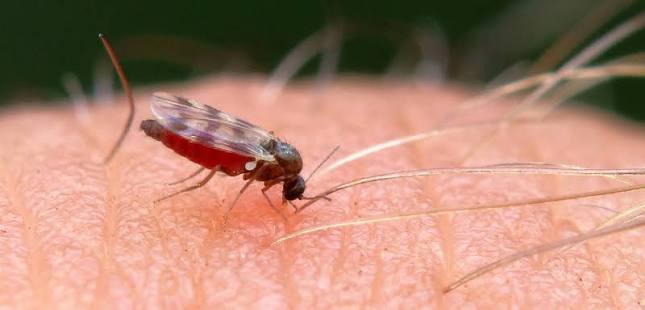
Bluetongue is a viral disease of ruminants transmitted primarily by Culicoides biting midges. The disease affects:
-
Sheep
-
Cattle
-
Goats
-
Deer and other wild ruminants
Although Bluetongue does not infect humans and poses no food safety risk, it can have serious consequences for animal health and livestock productivity. Clinical signs may include:
-
Fever
-
Mouth ulcers
-
Excessive salivation
-
Swelling of the face and tongue
-
Lameness
-
Nasal discharge
-
Reduced milk production
-
Abortions and reproductive losses
-
Death in severe cases, particularly in sheep
Cattle often show milder clinical signs than sheep but can play an important role in maintaining virus circulation.
Summer Creates Ideal Conditions for Virus Spread
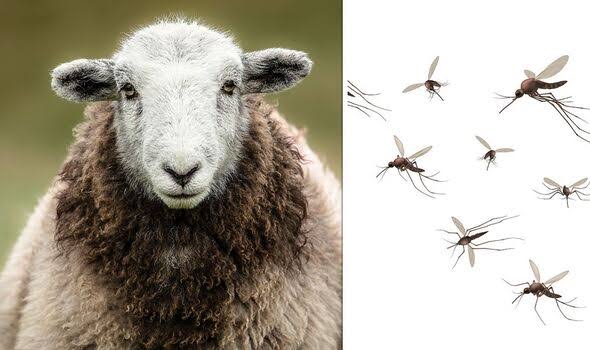
The current increase in confirmed cases coincides with the seasonal rise in midge populations. Warm temperatures accelerate midge breeding and increase the likelihood of virus transmission between susceptible animals.
Unlike diseases spread by direct animal contact, Bluetongue depends largely on infected insect vectors. This makes seasonal surveillance and rapid detection especially important during the summer and early autumn months.
Veterinary authorities continue to encourage farmers to report suspicious clinical signs promptly so that laboratory testing and disease control measures can be implemented without delay.
Vaccination and Biosecurity Remain the Best Defence
Veterinary experts agree that vaccination offers the strongest protection against Bluetongue where licensed vaccines are available for the circulating virus serotype.
Because immunity is serotype-specific, vaccines developed for one Bluetongue serotype do not necessarily protect against another. This makes accurate disease surveillance essential for selecting appropriate vaccination strategies. In addition to vaccination, producers are advised to:
-
Monitor livestock closely for clinical signs.
-
Consult veterinarians before introducing new animals.
-
Minimise animal movement where disease risks are high.
-
Reduce exposure to biting midges where practical.
-
Report suspected cases immediately to veterinary authorities.

