


Singapore partnership aims to accelerate clinical-grade vaccine production using Merck’s proven rVSV technology
The Coalition for Epidemic Preparedness Innovations (CEPI) has announced funding of up to US$8.5 million to Hilleman Laboratories, a Singapore-based joint venture between Merck (MSD outside the United States and Canada) and Wellcome, to accelerate the manufacture of an experimental vaccine targeting the Bundibugyo strain of Ebola virus (BDBV).
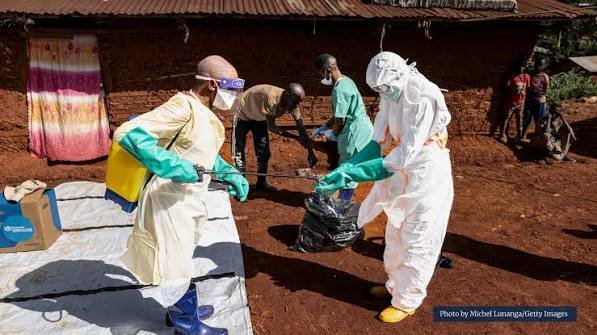
The investment will support the production of clinical-grade vaccine doses for early-stage human trials as global health agencies race to respond to the rapidly expanding Bundibugyo Ebola outbreak in the Democratic Republic of the Congo (DRC). According to the latest outbreak data, thousands of infections have been reported and the disease has caused significant mortality, highlighting the urgent need for effective vaccines and therapeutics.
Accelerating Vaccine Readiness
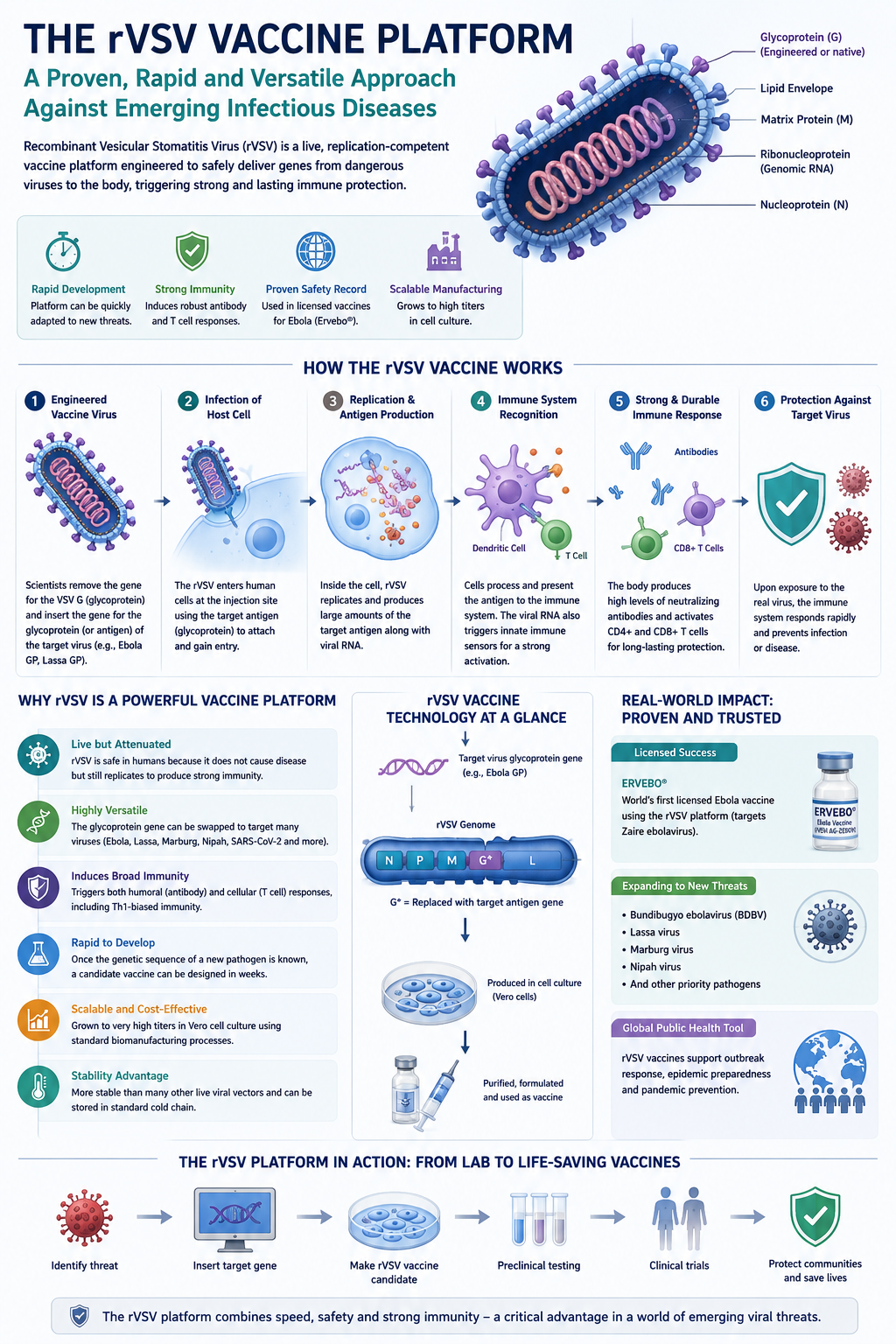
The vaccine candidate has been developed by the International AIDS Vaccine Initiative (IAVI) and is based on the recombinant vesicular stomatitis virus (rVSV) platform—the same technology successfully used in Merck’s licensed Ervebo vaccine against the Zaire strain of Ebola.
Unlike Ervebo, which protects against Zaire ebolavirus, the new vaccine has been specifically designed to target the Bundibugyo ebolavirus, for which no licensed vaccine currently exists.
Under the agreement, Hilleman Laboratories will convert vaccine starting material supplied by IAVI into finished clinical trial doses suitable for human studies. Merck will provide technical expertise in rVSV manufacturing and process development to support rapid scale-up.
The partners expect the first clinical trial doses to be available before the end of 2026, subject to manufacturing timelines and regulatory requirements.
Why Bundibugyo Ebola Matters
Although less common than the Zaire strain, Bundibugyo ebolavirus can cause severe viral haemorrhagic fever with high fatality rates. The current outbreak has reinforced concerns that emerging Ebola species continue to pose major public health threats, particularly in regions where healthcare infrastructure is already under significant pressure. Unlike the Zaire strain, Bundibugyo Ebola currently has no approved vaccine or specific licensed treatment, making rapid vaccine development a global priority.
Key Differences at a Glance
Characteristic |
Zaire |
Sudan |
Bundibugyo |
|---|---|---|---|
Deadliest Ebola species |
✅ Yes |
No |
No |
Largest outbreaks |
✅ Yes |
Moderate |
Smaller |
Licensed vaccine available |
✅ Yes (Ervebo®) |
❌ No |
❌ No |
Current global vaccine development priority |
Booster and broader protection |
Very High |
Very High |
Focus of recent CEPI funding |
Existing vaccine improvements |
New vaccine development |
Clinical manufacturing of investigational rVSV vaccin |
Building Manufacturing Capacity Before the Next Outbreak
Beyond developing a vaccine candidate, the collaboration is intended to strengthen clinical manufacturing capacity so vaccine doses can be produced quickly during future outbreaks. The project focuses on:
-
Manufacturing clinical-grade vaccine material.
-
Fill-finish production of investigational doses.
-
Process optimisation for future scale-up.
-
Technology transfer for larger commercial manufacturing if required.
-
Supporting rapid deployment during epidemic emergencies.

