


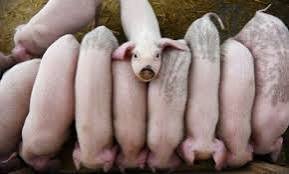
Summer demand slowdown and tighter producer margins reshape China’s pork industry outlook
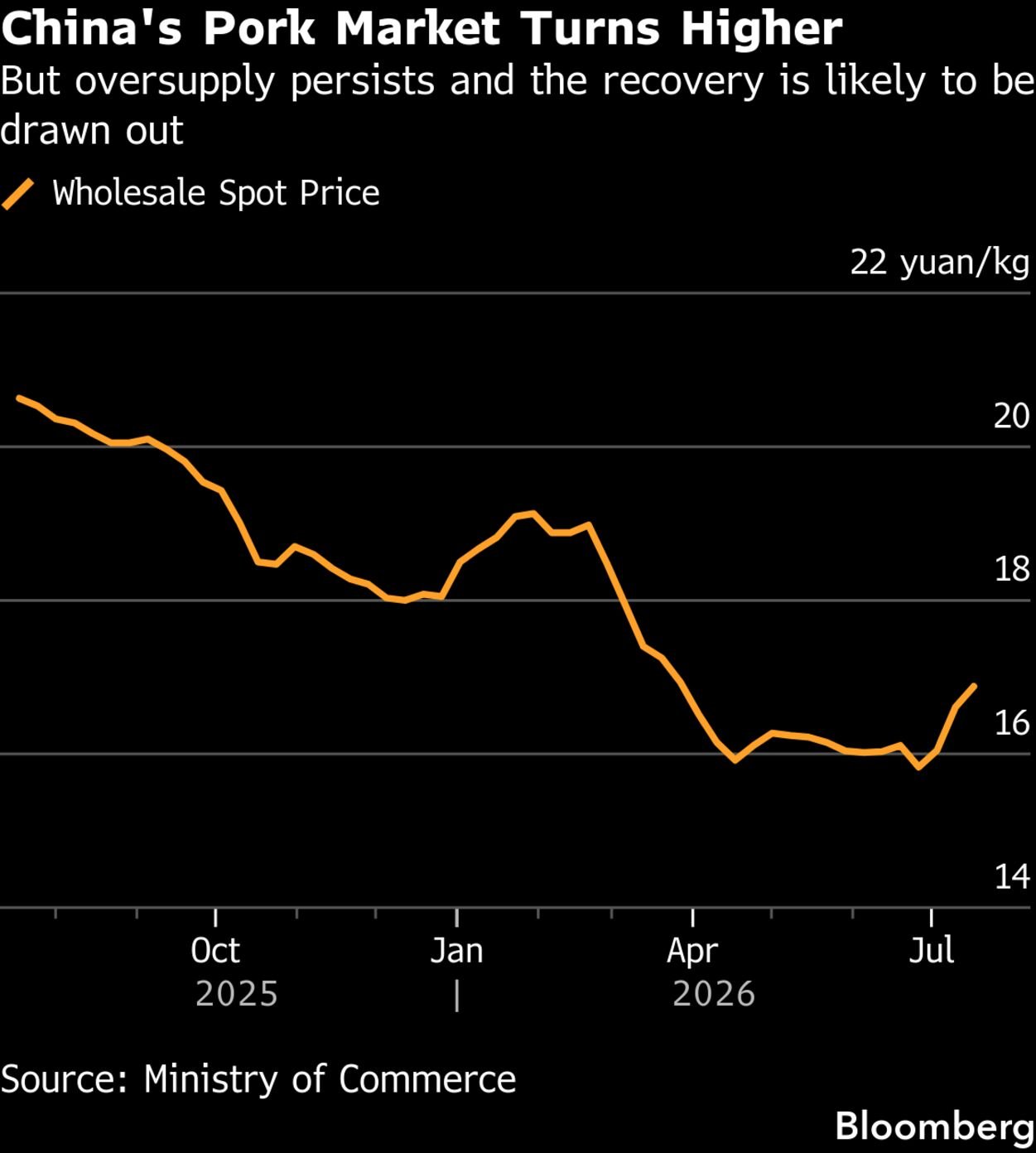
China’s swine industry entered a period of consolidation at the end of July after a sharp early-month rally in live pig prices lost momentum. According to commodity market intelligence platforms, national three-way crossbred live pig prices climbed by approximately 16% during early July, briefly exceeding 11 RMB/kg, before retreating to around 10.38 RMB/kg by the end of the month.
The correction reflects a familiar seasonal pattern in China’s pork market. Consumer demand typically weakens during the hot summer months, while large commercial producers continue to supply the market at relatively stable slaughter rates. As a result, the pig-to-corn price ratio—a key indicator of farm profitability—remained around 4.7:1, suggesting that many producers continue to operate under narrow profit margins.
For India, developments in China’s swine industry are important because China accounts for nearly half of the world’s pig population and pork production. Changes in Chinese pork prices influence global feed ingredient demand, grain markets, soybean imports, animal nutrition strategies and international livestock trade.
China Remains the World’s Largest Pork Producer
China’s pig industry is unlike any other in the world. According to the Food and Agriculture Organization (FAO) and China’s Ministry of Agriculture and Rural Affairs, the country accounts for:
-
Approximately 50% of the world’s pig inventory
-
Nearly half of global pork production
-
The world’s largest consumer of pork
-
The largest importer of soybean meal used in animal feed
Because of its enormous scale, relatively small changes in Chinese pig production or pricing can influence agricultural commodity markets worldwide.
July Rally Followed by Market Correction
Commodity intelligence data indicate that China’s live pig market experienced two distinct phases during July.
Early July – Live pig prices increased by approximately 16%
-
Prices briefly exceeded 11 RMB/kg
-
Market sentiment improved amid expectations of tighter supply
Late July – By month-end:
-
National three-way crossbred pig prices declined to 10.38 RMB/kg
-
Buying activity slowed
-
Prices entered a consolidation phase
Rather than signalling a market collapse, analysts describe the movement as a seasonal adjustment driven primarily by weaker consumer demand.
Why Summer Reduces Pork Consumption
Unlike winter, summer traditionally represents one of the weakest periods for pork consumption in China. Several factors contribute:
-
High temperatures reduce demand for fatty meat products.
-
Consumers increasingly prefer lighter meals.
-
Food service demand softens in some regions.
-
Seasonal purchasing patterns shift toward fruits and vegetables.
This temporary decline in retail demand places downward pressure on wholesale pork prices, which ultimately affects farm-gate pig prices.
Large Producers Continue Normal Slaughter
Another important factor behind the price correction is the behaviour of China’s major integrated pork companies. Large commercial producers have generally maintained:
-
Stable slaughter schedules
-
Normal market supplies
-
Continuous pig marketing
Unlike smaller farms that may delay marketing in anticipation of higher prices, integrated companies often follow predetermined production cycles designed to optimize processing efficiency rather than speculate on short-term price movements.
This steady flow of market-ready pigs has prevented supply shortages despite earlier price increases.
Understanding the Pig-to-Corn Price Ratio
One of the most closely watched indicators in China’s swine industry is the pig-to-corn price ratio. This metric compares:
Live pig price ÷ Corn price
Because feed accounts for 60–70% of pig production costs, the ratio provides a quick assessment of producer profitability. Current estimates place the ratio at approximately:
4.7 : 1
Industry analysts generally consider higher ratios more favourable for producers, while lower ratios indicate tighter operating margins. Although exact profitability varies depending on production efficiency, genetics, feed conversion and regional costs, the current ratio suggests that many producers remain under financial pressure.
Feed Costs Continue to Influence Profitability
Even when pig prices improve, profitability depends heavily on feed costs. Typical pig diets include:
-
Corn
-
Soybean meal
-
Wheat
-
Vitamins
-
Minerals
-
Synthetic amino acids
-
Feed enzymes
China remains the world’s largest importer of soybeans, making feed costs particularly sensitive to global grain markets and international trade conditions. Improved feed efficiency therefore remains a major priority for Chinese producers.
China’s Swine Industry Has Become More Efficient
The devastating African Swine Fever (ASF) epidemic that began in 2018 transformed China’s pig industry. Over the past several years, the sector has undergone substantial modernization. Key changes include:
-
Larger commercial farms
-
Improved genetics
-
Enhanced biosecurity
-
Automated feeding systems
-
Precision nutrition
-
Better disease surveillance
-
Modern environmental controls
These investments have increased production efficiency while reducing vulnerability to future disease outbreaks.
Why Global Markets Are Watching China
China’s pig market influences numerous agricultural sectors. Changes in Chinese pork production affect:
Global Grain Markets – Pig feed represents one of the largest uses of corn and soybean meal. Higher pig production increases demand for feed grains.
Feed Additive Industry – Greater pig numbers stimulate demand for:
-
Amino acids
-
Vitamins
-
Organic acids
-
Enzymes
-
Probiotics
-
Mycotoxin binders
Many multinational animal nutrition companies closely monitor Chinese production trends.
Meat Trade – Changes in domestic pork prices influence China’s import requirements. Lower domestic production often increases pork imports from:
-
Brazil
-
Spain
-
United States
-
Denmark
-
Canada
-
Netherlands
Conversely, stronger domestic production may reduce import demand.
Implications for India’s Animal Feed Industry
Although India has a relatively small commercial pig industry compared with China, developments in the Chinese market still matter. Chinese feed demand influences international prices for:
-
Soybean meal
-
Corn
-
Amino acids
-
Feed vitamins
-
Trace minerals
Indian feed manufacturers importing nutritional ingredients may therefore experience indirect effects from changes in Chinese purchasing behaviour.
What Analysts Expect
Market analysts expect China’s pig prices to remain relatively stable in the near term unless significant changes occur in:
-
Consumer demand
-
Feed grain prices
-
Disease outbreaks
-
Government reserve purchases
-
Production levels
Seasonal demand typically improves during autumn as temperatures decline and consumer purchasing increases ahead of major festivals.
Until then, the market is expected to remain driven by cautious buying and balanced supply.
Why This Matters for the Global Animal Health Industry
For animal health companies, China’s swine industry remains one of the world’s largest markets for:
-
Veterinary vaccines
-
Swine diagnostics
-
Feed additives
-
Precision nutrition
-
Biosecurity products
-
Reproductive technologies
-
Farm management software
Even relatively modest changes in China’s pig production can influence global investment decisions across the livestock value chain.
Outlook
China’s live pig market appears to be entering a period of short-term consolidation following July’s rapid price rally. While producer margins remain under pressure because of weak seasonal pork demand and relatively high feed costs, the sector continues to demonstrate resilience through improved productivity and modernized production systems.
For global livestock markets, China’s swine industry will remain a key barometer of feed demand, agricultural commodity prices and animal health investment. Producers, feed manufacturers and veterinary companies worldwide will continue to watch Chinese market trends closely as they shape business decisions across the international livestock sector.
Key Takeaways
-
China’s live pig prices rose by approximately 16% in early July, briefly exceeding 11 RMB/kg, before easing to 10.38 RMB/kg by month-end
-
Weak summer pork consumption and steady slaughter volumes from large producers contributed to the market correction
-
The pig-to-corn price ratio of around 4.7:1 indicates continued pressure on producer profitability
-
China remains the world’s largest pork producer, making its swine market a major influence on global feed ingredient demand and livestock trade
-
Market participants expect prices to remain broadly stable in the short term unless supply, demand or feed costs change significantly

