



Persistent production surplus, falling hog prices and government-led herd reductions are driving structural changes across the world’s largest pork industry
BEIJING, China — China’s swine industry is undergoing one of its most challenging market corrections since recovering from the devastating African swine fever (ASF) epidemic, as persistent oversupply, subdued consumer demand and prolonged financial losses continue to pressure producers and reshape the global animal health landscape.
Despite accounting for approximately half of global pork production, China’s hog sector has entered a prolonged period of weak profitability. Industry analysts attribute the downturn to a combination of productivity gains, slower-than-expected pork consumption growth and production capacity that continues to exceed domestic demand. The resulting imbalance has prompted government intervention, accelerated breeding herd reductions and forced producers to reassess investment decisions across genetics, feed, veterinary pharmaceuticals and animal health technologies.
Production Continues to Outpace Demand
Data from China’s National Bureau of Statistics show that pork production remains robust despite falling market prices.
During the first quarter of 2026, China’s pork production reached 16.7 million metric tonnes, an increase of 4.2% compared with the same period last year. At the same time, slaughter numbers rose to 200.3 million pigs, up 2.8% year-on-year, reflecting continued productivity improvements across large commercial operations.
However, domestic consumption has failed to keep pace with expanding production.
Market analysts report that weaker household spending, changing dietary preferences and slower economic growth have softened pork demand, resulting in sustained downward pressure on farm-gate prices. Wholesale pork prices and live hog values remain below year-earlier levels despite seasonal demand during major Chinese festivals.
Government Moves to Reduce Production Capacity
Recognising the growing imbalance between supply and demand, China’s Ministry of Agriculture and Rural Affairs (MARA) has intensified efforts to stabilise the market through production controls. Authorities have encouraged producers to:
-
reduce breeding sow inventories;
-
maintain slaughter weights at approximately 120 kilograms;
-
eliminate low-performing breeding animals;
-
avoid speculative herd expansion; and
-
improve production efficiency through modern breeding and nutrition practices.
Official figures indicate that China’s breeding sow inventory declined to 39.04 million head at the end of the first quarter of 2026, representing a 3.3% decrease year-on-year. This marks the continuation of a downward trend that began during the second half of 2025 as producers responded to deteriorating market conditions.
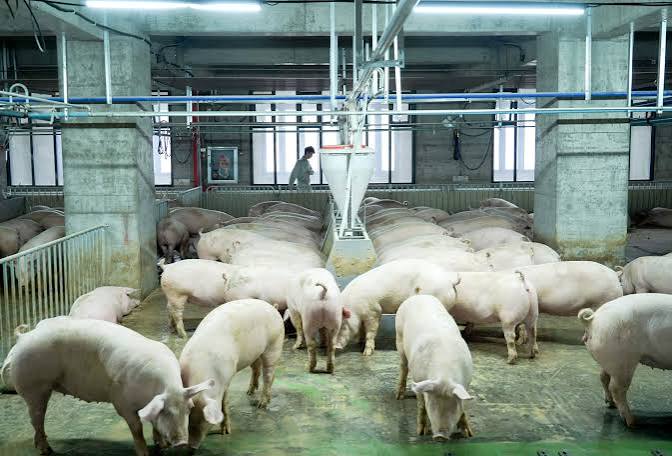
Large Producers Adjust Strategy
Leading integrated pork producers have already begun restructuring operations in response to the prolonged downturn.
For example, Muyuan Foods, China’s largest pig producer, reduced its breeding sow inventory by approximately 13.6%, lowering the herd to 3.129 million sows by the end of March 2026. The company also reduced average slaughter weights to accelerate marketings and discourage additional production that could further depress prices.
Industry executives have publicly acknowledged that maintaining excessive production capacity risks prolonging the industry’s losses, leading several major companies to support coordinated capacity reductions.
Profitability Remains Under Pressure
Weak market prices continue to erode producer margins. According to recent market assessments, live hog prices reached some of their lowest levels in more than a decade earlier this year, while many producers continued to sell animals below production cost. Reuters reported that some farms were losing between 280 and 350 yuan per pig, highlighting the severity of the financial pressure facing the sector.
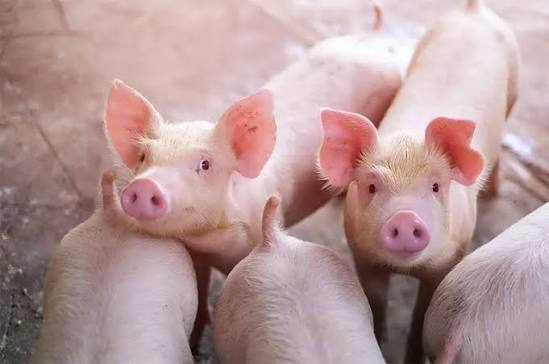
Additional cost pressures—including higher feed ingredient prices driven by volatility in global grain and oilseed markets—have further squeezed profitability for many producers, particularly smaller independent farms with limited purchasing power and weaker economies of scale.
Structural Consolidation Accelerates
The current downturn is accelerating long-term structural changes within China’s swine industry.
While smaller producers continue to exit the market, large vertically integrated companies are expanding their share of national production through superior biosecurity, genetics, automation and management efficiency.
According to the USDA Foreign Agricultural Service, continued improvements in pigs produced per sow per year (PSY), piglet survival rates and herd management are expected to offset part of the decline in breeding sow numbers, allowing overall pork production to remain relatively stable despite herd reductions.
This productivity-driven growth explains why pork supplies have remained abundant even as breeding capacity has gradually contracted.
Implications for the Global Animal Health Industry
China’s hog industry remains the world’s largest consumer of veterinary products for swine production, making developments in the country’s pork sector closely watched by global animal health companies. Prolonged financial pressure could influence purchasing decisions across several product categories, including:
-
swine vaccines;
-
veterinary pharmaceuticals;
-
feed additives;
-
nutritional supplements;
-
diagnostics;
-
precision livestock technologies; and
-
reproductive management products.

