

HomeEventsDLG-VetCon 2026 to Bring Livestock Veterinarians, Researchers and Industry Together at EuroTier

DLG-VetCon 2026 to Bring Livestock Veterinarians, Researchers and Industry Together at EuroTier

DLG-VetCon prepares a dedicated scientific programme for livestock veterinarians

The German Agricultural Society (DLG) has organised DLG-VetCon 2026 as a dedicated professional conference for livestock and herd veterinarians, running alongside EuroTier 2026 in Hanover, Germany.

The conference is scheduled for November 12–13, 2026, while EuroTier itself will take place from November 10–13.

The programme brings together veterinary specialists, academic researchers, livestock-sector experts and industry participants to discuss practical and emerging challenges in animal health and production.

The conference reflects the increasing importance of veterinary expertise in areas such as disease prevention, fertility, metabolic management, animal welfare, nutrition and farm biosecurity.
Transition-cow management and metabolic health

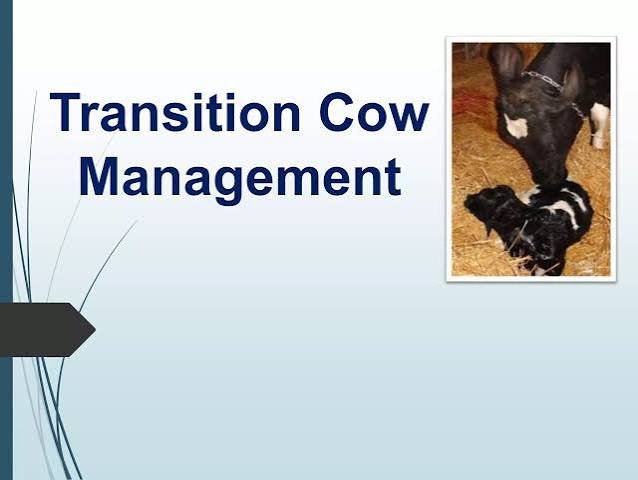
One of the important cattle-focused themes is transition-cow management and the relationship between inflammation, metabolic stress and reproductive performance.

The transition period surrounding calving is a critical stage in dairy production.

During this period, cows experience substantial physiological and metabolic changes as they move from late gestation into early lactation.

Poor management can contribute to metabolic disorders, impaired immune function, reduced fertility and lower milk production.

The programme includes a session examining the role of inflammation in successful transition-cow management, delivered by Prof. Dr Eduardo de Souza Ribeiro of the University of Guelph.

The programme also features an Elanco presentation by Geoffrey Ackaert titled:

“Dry-Off: Where The Next Lactation Begins – How metabolic health and overall animal health before dry-off strongly influences the next lactation.”

The session highlights the importance of managing dairy-cow health before the dry-off period rather than treating it solely as an endpoint in the current lactation.

For animal-health companies, this area represents an opportunity to develop integrated solutions involving nutrition, metabolic monitoring, veterinary intervention and herd-management support.
Royal Veterinary College to discuss probiotics in pig production

Probiotics are another major technical focus of the conference.

Prof. Dr Dirk Werling of the Royal Veterinary College, London, is scheduled to discuss probiotics in pig farming and the physiology–immunology–probiotic relationship.

Interest in probiotic interventions has increased as livestock producers seek nutritional and management strategies that support intestinal health, immune function and production performance.

Potential applications include:

  • Supporting intestinal microbial balance.

  • Improving resilience during weaning and other stress periods.

  • Supporting digestive health.

  • Complementing biosecurity and disease-prevention strategies.

  • Reducing dependence on routine antimicrobial interventions where appropriate.

The commercial opportunity for feed-additive and animal-health companies will depend on the quality of product-specific evidence, consistency of outcomes and the economic value demonstrated under commercial farm conditions.

Ghent University and Ecolab to address transport biosecurity

Livestock transport is another important area of the conference programme.

Prof. Dr Jeroen Dewulf of Ghent University and Luc Ledoux of CID LINES, Ecolab, are scheduled to discuss how appropriate transport management can influence animal biosecurity. Transport represents a significant disease-transmission risk because animals, vehicles, equipment and personnel can connect otherwise separate production systems.

Effective transport biosecurity requires appropriate cleaning and disinfection, vehicle management, loading procedures, animal-health checks and traceability.

The session is relevant to pig, poultry and cattle production, particularly in regions where disease outbreaks can rapidly affect livestock movements and trade.

Artificial intelligence and livestock management

The programme also includes a session examining how veterinarians can use artificial intelligence to support farms more effectively.

AI applications in livestock production are expanding across disease detection, activity monitoring, fertility management, production analytics and early-warning systems.

However, successful adoption requires reliable data, appropriate integration with farm workflows and validation of diagnostic performance.

The commercial opportunity will increasingly depend on whether AI platforms can translate data into measurable improvements in animal health, productivity and farm economics.

Industry significance

DLG-VetCon provides an important platform for collaboration between academia, veterinarians and animal-health businesses.

The programme’s focus on metabolic management, probiotics, biosecurity and AI reflects the broader evolution of animal health from individual disease treatment towards integrated preventive herd management.

For pharmaceutical companies, feed-additive manufacturers, diagnostics providers and farm-technology businesses, the conference offers opportunities to understand emerging technical priorities and engage with veterinary decision-makers.

Animal Health India Editorial Team
Animal Health India Editorial Teamhttps://animalhealthindia.com
Animal Health India (AHI) is an independent news and intelligence platform covering the global animal health, veterinary, livestock, poultry, companion animal and pet food sectors. Our editorial team comprises veterinary journalists, animal health professionals, regulatory affairs specialists and industry analysts with over 30 years of combined experience covering India, Asia, Europe and North America. AHI publishes news, regulatory updates, market intelligence and company news drawn from primary sources including DAHD, EMA, USDA, AVMA and leading veterinary publications worldwide.
RELATED ARTICLES