HomeLivestockEdinburgh Cattle-Eye Imaging Project Highlights New Avenue for Bovine TB Research

Edinburgh Cattle-Eye Imaging Project Highlights New Avenue for Bovine TB Research

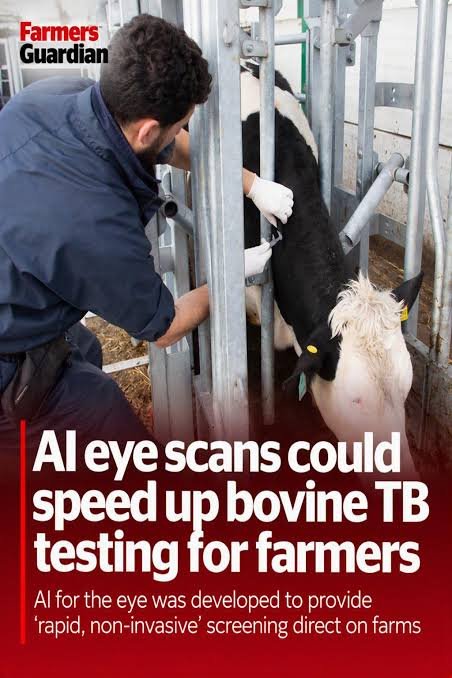
EDINBURGH, UNITED KINGDOM | 16 October 2026 — Researchers at the University of Edinburgh are investigating whether images of cattle eyes can provide useful information about bovine tuberculosis (bTB), an important infectious disease affecting cattle health, farm economics and livestock disease-control programmes.

Edinburgh Cattle-Eye Imaging for bTB

The university’s Roslin Institute describes a project examining the eyes of cattle that have tested positive in tuberculosis investigations. Working with imaging specialists and veterinary partners, the team aims to characterise ocular changes associated with infection and investigate the immune responses involved. The project page confirms that bovine-eye images will be analysed in collaboration with Epipole Ltd, with funding from Fight for Sight. University of Edinburgh project information.

Could imaging support earlier recognition?

The research raises the possibility that visual information could eventually contribute to a broader set of tools for investigating cattle disease. If image-analysis methods—including AI, where specifically developed and validated—can reliably identify relevant features, they could help researchers assess animals, identify patterns and prioritise further investigation.

However, an important distinction is necessary: the university’s publicly available project description confirms eye-image analysis, but does not itself establish that a validated AI diagnostic system has been developed. Nor does it provide diagnostic sensitivity, specificity, predictive values or evidence that eye images can independently identify infected cattle.

Bovine TB is caused principally by Mycobacterium bovis. Existing control programmes rely on authorised diagnostic procedures, veterinary investigation and official disease-control requirements. Eye imaging should therefore be regarded as a research avenue, not an established replacement for approved testing.

Potential implications for the livestock sector

A validated imaging tool could, in principle, complement surveillance by providing an additional source of information. Its practical value would depend on whether the observed eye features are sufficiently consistent, specific to infection and detectable under routine farm conditions.

Researchers would also need to establish performance across breeds, ages, production systems and disease stages, and determine whether image quality, lighting, camera angle or unrelated eye conditions affect results. Any future use in official programmes would require appropriate independent validation and regulatory or veterinary-authority acceptance.

Animal Health India Editorial Team
Animal Health India Editorial Teamhttps://animalhealthindia.com
Animal Health India (AHI) is an independent news and intelligence platform covering the global animal health, veterinary, livestock, poultry, companion animal and pet food sectors. Our editorial team comprises veterinary journalists, animal health professionals, regulatory affairs specialists and industry analysts with over 30 years of combined experience covering India, Asia, Europe and North America. AHI publishes news, regulatory updates, market intelligence and company news drawn from primary sources including DAHD, EMA, USDA, AVMA and leading veterinary publications worldwide.

RELATED ARTICLES