


HomeCompanion AnimalsElanco Says Longer Tick and Itch Seasons Are Reshaping the US Pet-Health...

Elanco Says Longer Tick and Itch Seasons Are Reshaping the US Pet-Health Market

Elanco is positioning changing parasite and allergy patterns as a structural shift toward year-round pet preventive care, while reporting continued momentum in its US Pet Health business.

Elanco Animal Health has highlighted what it describes as an increasingly year-round “tick and itch season” in the United States, linking changing environmental conditions with growing demand for parasiticide and dermatology products.

In a September 15, 2026 update, the company said its US Pet Health business remained on track for high-single-digit to low-double-digit growth in the second half of 2026 and reported accelerating quarter-to-date price gains during July and August.

The company also said both its US and international Pet Health businesses recorded approximately 9% organic constant-currency revenue growth in the first half of 2026.

From seasonal treatment to year-round protection

Historically, parasite prevention has often been associated with specific seasons, particularly spring and summer. Elanco argues that this model is changing.

The company cited warmer temperatures and longer pollen seasons as factors contributing to prolonged exposure to ticks and allergic disease. Its September update said parasite and dermatology categories are increasingly shifting toward year-round requirements. This has important commercial implications.

If pet owners increasingly perceive parasite and allergy risks as continuous rather than seasonal, preventive products can potentially move from periodic purchases toward recurring, year-round treatment schedules. That can improve both product adherence and revenue visibility.

Credelio Quattro continues expanding its veterinary footprint

Elanco reported that Credelio Quattro continued gaining adoption among veterinary clinics, with approximately 1,100 additional clinics added during July and August. The company also highlighted the increasing importance of home delivery.

According to Elanco, veterinary home-delivery sales grew nearly twice as fast as in-clinic sales during Q2. The company further reported that its historical data showed compliance increasing by approximately 50% when owners moved to delivery. This is strategically significant because compliance is one of the largest challenges in preventive veterinary medicine.

A product that is prescribed but not administered consistently produces limited clinical value and weakens recurring commercial demand.
Dermatology becomes another growth engine

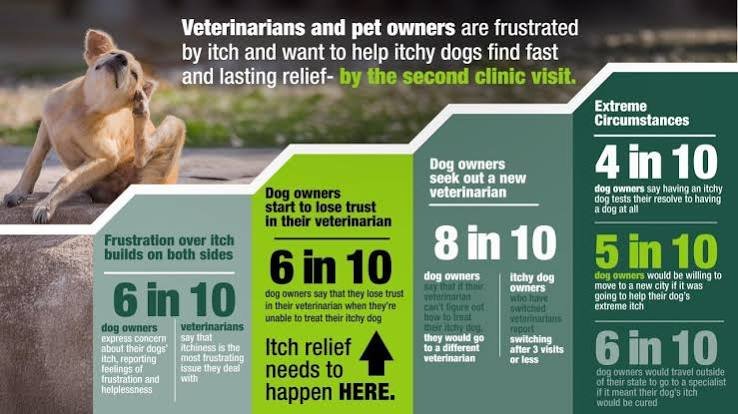
Dermatology becomes another growth engine

Elanco also reported that the international dermatology market grew 9% during the first half of 2026. Zenrelia was identified as a major growth contributor, with Elanco reporting a 10-percentage-point gain in European market share during the first half.

The company’s broader dermatology strategy now includes multiple mechanisms and modalities, including JAK inhibition and monoclonal antibody technology.

This reflects a wider trend in companion-animal medicine toward more targeted therapies for chronic conditions rather than relying primarily on conventional symptomatic management.

The One Health dimension

Elanco’s argument goes beyond commercial opportunity. Ticks represent a One Health issue because companion animals can potentially transport ectoparasites from outdoor environments into households.

The company therefore frames pets as an interface between environmental exposure and human households. This is particularly relevant as urban pet ownership expands and dogs increasingly occupy indoor family environments.

Analyst perspective

The strategic significance of Elanco’s update lies less in any individual product and more in the change in market structure it describes.

Three trends are worth monitoring:

1. Preventive care is becoming more recurring
Longer parasite seasons could reduce the traditional seasonality of ectoparasiticide demand.

2. Dermatology is becoming increasingly biologic and targeted
Monoclonal antibodies and pathway-specific therapies are creating differentiated treatment platforms.

3. Distribution is becoming omnichannel
Clinic dispensing, digital ordering, home delivery and auto-ship models are increasingly interconnected.

For the animal-health industry, this combination could make companion-animal preventive medicine increasingly resemble a continuous-care market rather than a seasonal pharmaceutical market.

Animal Health India Editorial Team
Animal Health India Editorial Teamhttps://animalhealthindia.com
Animal Health India (AHI) is an independent news and intelligence platform covering the global animal health, veterinary, livestock, poultry, companion animal and pet food sectors. Our editorial team comprises veterinary journalists, animal health professionals, regulatory affairs specialists and industry analysts with over 30 years of combined experience covering India, Asia, Europe and North America. AHI publishes news, regulatory updates, market intelligence and company news drawn from primary sources including DAHD, EMA, USDA, AVMA and leading veterinary publications worldwide.
RELATED ARTICLES