HomeCompanion AnimalsUK - Feline Parvovirus Prevention: Vaccination and Veterinary Guidance

UK – Feline Parvovirus Prevention: Vaccination and Veterinary Guidance

Feline Parvovirus Prevention Remains a Priority for Veterinary Practices

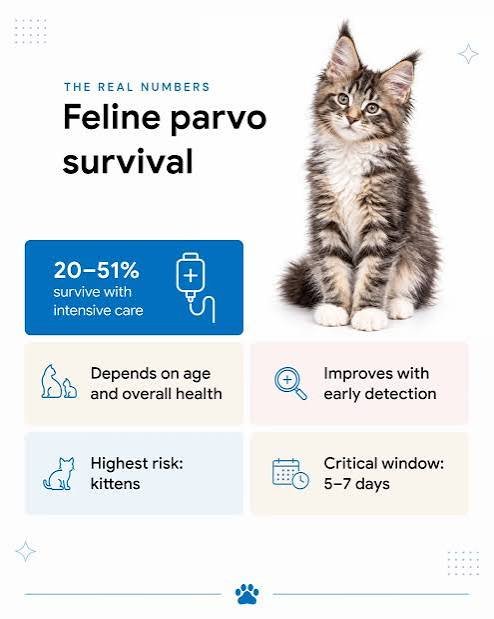
UNITED KINGDOM — October 2026: Veterinary guidance continues to emphasise prevention of feline panleukopenia, commonly called feline parvovirus infection, through vaccination, early recognition of disease and robust infection-control procedures. The disease can be severe, particularly in kittens and susceptible cats living in high-density environments.

A recent Vet Times clinical article published last week examined the role of UK veterinary teams in controlling feline panleukopenia. The article reinforces the importance of maintaining vaccination coverage and using appropriate biosecurity measures in veterinary practices, shelters and other multi-cat environments.

The specific claim that declining microchipping and routine-check-up rates among urban domestic cats have triggered a new industry alert was not independently verified in the available sources. Microchipping and vaccination are also distinct interventions: microchipping helps identify animals, while vaccination provides disease-specific protection.

A preventable disease with serious consequences

Feline panleukopenia is caused by feline parvovirus and can produce severe gastrointestinal and systemic illness. Young cats and animals without adequate immunity are particularly vulnerable.

The virus is environmentally persistent, making hygiene and disinfection important components of control. Susceptible cats may be exposed through contaminated environments, objects or contact networks, so prevention cannot rely solely on identifying visibly ill animals.

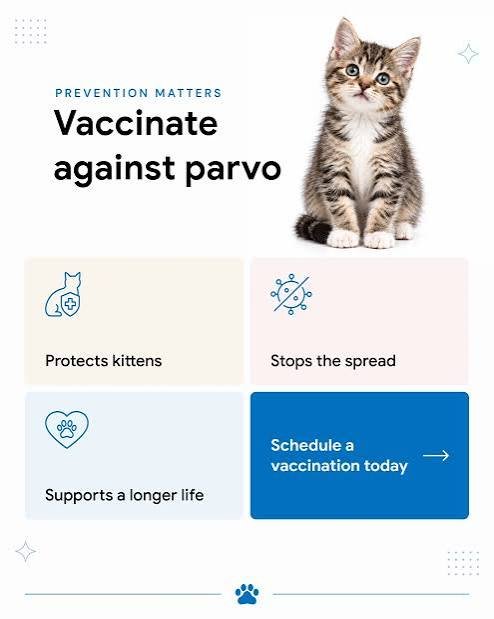
Vaccination is considered a core component of feline preventive healthcare. Veterinary teams should review vaccination histories, primary-course completion and booster requirements, taking account of the cat’s age, health status, previous vaccination and applicable professional guidelines.

Veterinary Practice: Vaccination, Diagnosis and Biosecurity

A comprehensive prevention approach includes several connected measures.

Vaccination: Practices should discuss core vaccination with cat owners and ensure that kittens and at-risk cats receive an appropriate schedule. The timing and product choice should be guided by current veterinary recommendations.

Early assessment: Cats with concerning clinical signs should receive prompt veterinary evaluation. Suspected cases may require separation from other cats and diagnostic investigation.

Infection control: Cleaning and disinfection protocols must account for the resilience of parvoviruses. Practices should review product suitability, concentration, contact time, personal protective equipment and patient-flow arrangements.

Population management: Shelters, rescue organisations and multi-cat facilities need protocols for isolation, vaccination and managing incoming animals. Population-management programmes should complement, not substitute for, disease prevention.

Communicating Prevention to Cat Owners

Routine veterinary consultations provide opportunities to review vaccination, parasite prevention, identification, nutrition and other preventive needs. Where owners face barriers to attending appointments, practices can explain the risks of missed vaccinations and help them understand the available care options.

However, any assertion that urban-cat check-ups or microchipping have declined should be supported by dated, representative data before being used as a headline or quantified trend.

Industry Implications

For veterinary practices, feline panleukopenia highlights the importance of preventive medicine, client communication and infection-control readiness. For shelters and rescue groups, vaccination and intake protocols can help reduce the risk of outbreaks in settings where susceptible animals may be concentrated.

The central message is that established prevention tools remain important. Vaccination, timely veterinary care and appropriate biosecurity can reduce risk, although no programme should be represented as eliminating every possibility of infection.

Animal Health India Editorial Team
Animal Health India Editorial Teamhttps://animalhealthindia.com
Animal Health India (AHI) is an independent news and intelligence platform covering the global animal health, veterinary, livestock, poultry, companion animal and pet food sectors. Our editorial team comprises veterinary journalists, animal health professionals, regulatory affairs specialists and industry analysts with over 30 years of combined experience covering India, Asia, Europe and North America. AHI publishes news, regulatory updates, market intelligence and company news drawn from primary sources including DAHD, EMA, USDA, AVMA and leading veterinary publications worldwide.
RELATED ARTICLES