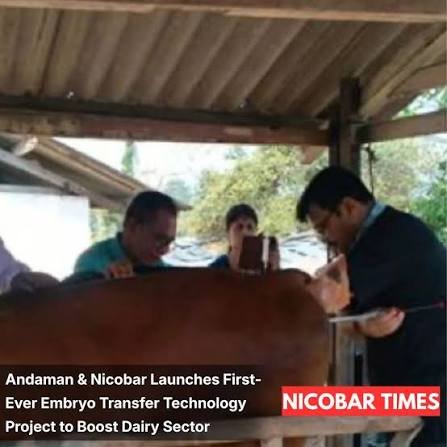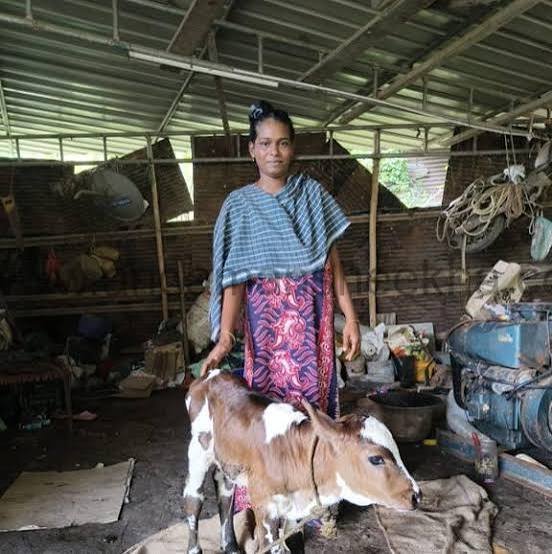
PORT BLAIR, India — Animal husbandry authorities in the Union Territory of Andaman and Nicobar Islands, working with ICAR scientists, have announced the successful parturition of the territory’s first female calf produced through Embryo Transfer Technology (ETT) combined with sex-sorted semen.
The milestone represents a major step forward for dairy genetic advancement in remote island ecosystems. Tropical environmental stress and geographical isolation have historically restricted access to elite bovine germplasm, resulting in lower average milk yields among smallholder dairy operations across the archipelago.
“Demonstrating high-tier reproductive technologies like ETT in island conditions proves that elite genetics can be decentralized,” stated senior ICAR veterinary scientists. “This female calf carries high-yielding genetic markers optimized for heat tolerance.”
The initiative forms part of India’s broader National Gokul Mission, aimed at enhancing indigenous cattle
breeds and optimizing female calf birth ratios through advanced reproductive technologies. Local
authorities plan to scale the ETT protocol across regional breeding centers to build a climate-resilient
dairy pool.