


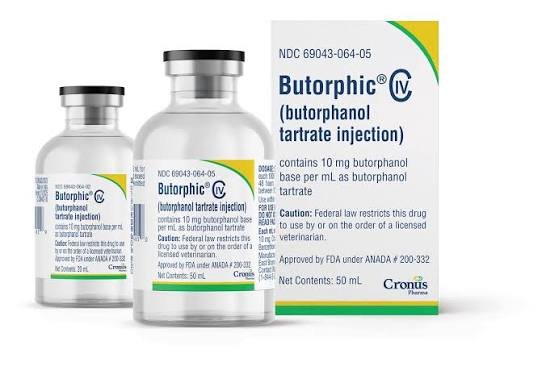
The global veterinary injectables market is projected to expand from US$25.6 billion in 2026 to US$46.5 billion by 2033, representing a reported compound annual growth rate (CAGR) of 8.9%. The forecast was highlighted in a market research announcement distributed through GlobeNewswire on October 28, 2026.
The announcement, issued by Research and Markets concerning a report added to its offering, places the market’s 2025 value at US$23.7 billion. North America accounted for a reported 35.2% of global revenue in 2025, supported by established veterinary healthcare infrastructure, expenditure on companion animals and demand for medicines used in livestock production.
These estimates provide a commercial outlook rather than independently audited industry totals. The announcement does not, by itself, establish how much of the projected growth will come from individual drug classes, species or geographic markets.
Source: GlobeNewswire market announcement.
What is driving demand?
Veterinary injectables cover a broad range of products, including vaccines, antibiotics, analgesics, anti-inflammatory medicines, anaesthetics, parasiticides and other therapeutic agents. Their commercial relevance spans companion animals, cattle, pigs, poultry and other production species, although administration routes and product availability differ by species and indication.
Several structural factors could support market expansion.
1. Preventive veterinary medicine
Vaccination and other preventive interventions can reduce the incidence or severity of disease and help protect herd productivity. In livestock systems, effective disease prevention can influence mortality, growth performance, reproductive outcomes and the need for treatment. In companion animals, injectable vaccines and selected preventive or therapeutic medicines form part of routine veterinary care.
2. Biologics and advanced formulations
Biologics and newer drug-delivery technologies are important areas of product development. Injectable formulations can be suitable for therapies that require controlled administration, reliable dosing or delivery of molecules that are not well suited to conventional oral formulations.
However, the commercial opportunity differs by product. A biologic’s manufacturing complexity, cold-chain requirements, stability and regulatory burden may be substantially different from those of a conventional injectable medicine.
3. Long-acting therapies
Long-acting formulations may reduce the frequency of administration for selected indications. This can be valuable where repeated dosing is difficult, treatment adherence is a concern or animal handling creates operational costs.
The benefit must be evaluated against the product’s duration of action, safety profile, reversibility where relevant, cost per treatment course and suitability for the target species. Long-acting delivery is not automatically superior to shorter-acting alternatives.
4. Livestock productivity and disease management
Commercial livestock producers need effective disease-management tools that fit their production systems. Injectable medicines may be particularly relevant where rapid treatment, predictable administration or group-level preventive programmes are required. Adoption will nevertheless depend on veterinary oversight, local disease burden, farm economics and applicable food-animal residue requirements.
North America’s position and the wider opportunity
North America’s reported 35.2% revenue share in 2025 makes it the largest regional market in the cited forecast. Established veterinary services, substantial companion-animal expenditure and commercial livestock production provide a supportive base.
The reported share should not be interpreted as evidence that North America will necessarily deliver the fastest future growth. Emerging markets may offer different opportunities as veterinary access, animal-protein production and preventive healthcare systems develop.
For manufacturers, geographic expansion requires more than product registration. Distribution capacity, local manufacturing economics, cold-chain infrastructure, veterinary education and affordability can influence uptake.
Strategic implications for animal-health companies
The forecast has several implications for product managers, corporate strategists and investors:
-
Portfolio design: Assess the balance between conventional injectables, vaccines, biologics and differentiated long-acting products.
-
Manufacturing: Evaluate sterile manufacturing capacity, fill-finish infrastructure, quality systems and supply resilience.
-
Differentiation: Establish whether a new formulation delivers a measurable advantage in efficacy, safety, dosing convenience or total treatment cost.
-
Market access: Model demand separately for companion animals and food-producing species rather than treating veterinary injectables as one homogeneous category.
-
Regulatory planning: Build species-specific safety, efficacy, manufacturing and residue requirements into development timelines.
The strongest commercial propositions will need to demonstrate value beyond the injection itself. A premium product must justify its price through a clinically meaningful or operationally relevant benefit.
What the forecast does—and does not—tell the industry
The projected rise from US$25.6 billion in 2026 to US$46.5 billion in 2033 signals a potentially attractive market. Yet the topline forecast does not establish which companies will capture the growth, how pricing and generic competition will evolve, or how much demand will shift toward biologics and long-acting products.
Investors should therefore examine the underlying report’s methodology, segment definitions, historical data, forecast assumptions and sensitivity analyses before using the estimates in financial models.
Conclusion
Veterinary injectables remain a strategically important delivery category across companion-animal medicine and livestock production. If the forecast is realised, companies with differentiated products, reliable sterile manufacturing and strong veterinary distribution could benefit. Execution, product-level evidence and market access will determine whether the projected industry growth translates into sustainable returns.
Source: Research and Markets announcement via GlobeNewswire, October 28, 2026.

