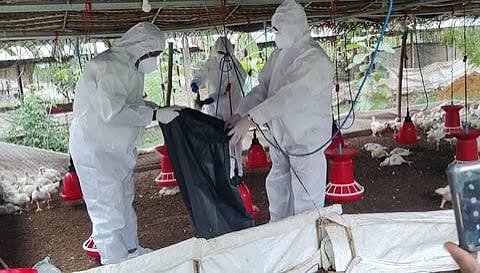
Central and Tamil Nadu teams have inspected affected villages in Cuddalore after avian influenza was confirmed in poultry. The scale of reported bird mortality and culling highlights the importance of early detection, farm-level biosecurity and rapid disease reporting in India’s poultry sector.
More than 55,000 birds affected through deaths and culling
India’s poultry sector is facing a significant disease-control challenge in Tamil Nadu’s Cuddalore district, where avian influenza has been confirmed in poultry farms and more than 35,000 chicken deaths have been reported.
According to reports, central and state medical teams inspected affected villages on 21 November, reviewing the circumstances surrounding poultry mortality, containment measures at farms and arrangements for monitoring the health of local residents.
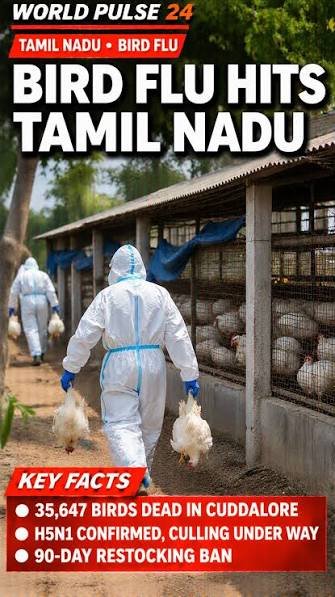
More than 20,000 additional chickens had been culled as a precautionary measure to limit further spread. The reported figures therefore indicate that more than 55,000 birds had either died or been culled in the affected areas. These figures should not be interpreted as a single confirmed infected-flock count: the reported mortality and preventive culling are separate categories.
The inspection involved representatives from central and state agencies, including the National Centre for Disease Control (NCDC), JIPMER and the state veterinary system.
H5N1 confirmation and the chronology of the response
A Tamil Nadu government status report dated 14 November stated that laboratory confirmation of highly pathogenic avian influenza H5N1 had been received on 13 November from an affected poultry farm at Kattiyankuppam village, Kurinjipadi taluk, Cuddalore district.
The state report described the initial notification of unusual poultry mortality on 30 October at a farm in Thamanampatti village. Veterinary teams investigated, collected samples and sent them for laboratory examination. By 13 November, the government had recorded 35,647 bird deaths in the affected area.
The sequence illustrates the challenge of controlling highly pathogenic avian influenza when mortality is reported across multiple poultry holdings.
Why this matters to India’s poultry industry
India has a large and geographically dispersed poultry sector, with commercial integrators operating alongside independent farms and smaller backyard holdings. Disease control becomes more complicated when farms differ in their housing systems, flock sourcing, veterinary access, transport arrangements and biosecurity practices.
HPAI can spread through direct contact with infected birds and through contaminated materials, equipment, footwear and vehicles. Farm-to-farm movement of people and equipment can therefore become an important route of transmission.
The Cuddalore situation reinforces the need for a coordinated approach involving poultry producers, local veterinary services, laboratories and public-health agencies.
Key priorities for poultry producers
1. Report unusual mortality immediately – Sudden or unexplained increases in mortality should trigger veterinary investigation and appropriate sampling. Waiting for multiple days of losses can reduce the opportunity for early containment.
2. Strengthen farm access controls – Restrict unnecessary visitors, maintain visitor records and control the movement of vehicles and equipment between poultry holdings.
3. Separate farm activities – Dedicated footwear, clothing and equipment should be used within poultry houses. Staff should avoid moving between houses or farms without appropriate cleaning and disinfection.
4. Follow official carcass-disposal instructions – Dead birds should not be sold, transported or disposed of informally. Disposal must follow the instructions of the competent veterinary authorities.
5. Protect farm workers – Personnel involved in handling sick or dead birds, culling and disinfection should follow the occupational protection measures prescribed by public-health and veterinary authorities.
6. Maintain surveillance beyond the infected farm – Neighbouring farms and poultry holdings in the surrounding area need appropriate monitoring under the official response plan.
One Health implications
Avian influenza is an animal-health and public-health issue. Human infection with avian influenza viruses is uncommon, but occupational exposure can occur, particularly during the handling of infected birds or contaminated environments.
The Cuddalore inspection therefore has a One Health dimension: veterinary authorities are responsible for controlling infection in poultry, while public-health agencies assess potential exposure and monitor people who may have had contact with infected birds.
What to watch next
The next important updates will be the number of newly affected poultry holdings, the geographical extent of surveillance and control measures, any additional culling, and the results of continued human-health monitoring.
For India’s poultry industry, the central lesson is clear: early reporting, laboratory confirmation, controlled movement and consistent farm-level biosecurity remain the most effective foundations of outbreak management.