


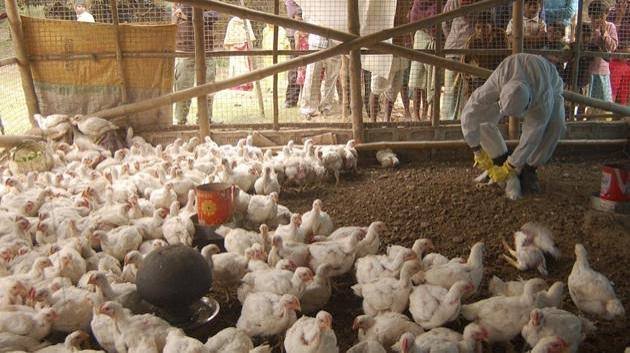
Feed inflation squeezes Indian poultry and dairy producers as key ingredients rise sharply
India’s poultry and dairy sectors are facing renewed margin pressure as sharply higher livestock feed costs collide with weak consumer demand. According to latest data, prices of several important feed ingredients have risen by double-digit percentages, leaving poultry farmers struggling to pass higher production costs on to buyers.
Poultry farmers are reportedly facing losses of approximately 15%, while dairy producers in drought-affected regions are experiencing difficulties sourcing sufficient fodder. The pressure is also affecting feed manufacturers, whose margins and sales volumes are being squeezed by rising raw-material costs and weaker demand.
The development highlights a structural vulnerability in India’s animal-protein value chain: even when retail prices remain relatively stable, higher feed procurement costs can erode profitability at farm level.
Key data: Feed ingredient price increases
Feed ingredient |
Reported price increase |
|---|---|
Mustard meal |
75% |
Deoiled rice bran meal |
68% |
Corn distillers dried grains with solubles (DDGS) |
66% |
Groundnut meal |
43% |
Maize |
8% |
Estimated poultry farmer losses |
Approximately 15% |
This does not establish that every ingredient rose by the same amount over an identical period, and the figures should not be interpreted as uniform national price changes.
Why the feed-cost surge matters
Feed is a major operating expense in commercial poultry production. When the cost of maize, soybean meal and alternative protein or energy ingredients rises, producers face three principal choices: absorb the additional expense, reformulate diets or increase selling prices. Each option has limitations.
Absorbing the cost reduces margins and can make production unviable for less efficient farms. Reformulation may reduce reliance on expensive ingredients, but changes must preserve energy density, amino-acid balance, digestibility and bird performance. Passing on the increase is difficult when consumer demand is weak or competing suppliers are unwilling to raise prices.
Maize competition adds pressure to poultry feed supply
The current feed squeeze is linked to reduced maize production following deficient monsoon rainfall, El -nino effect and increased competition between livestock-feed manufacturers and ethanol producers for maize supplies.
This squeeze on maize supplies, unfortunately, in our opinion is expected to persist little longer as an alternate source of ethanol – sugarcane – has been taken off the list for production of ethanol last week, leaving maize as a key source for ethanol production. Ethanol is produced in India blend with gasoline as part of country’s strategy to reduce impact of rising global fuel prices.
Industry associations have reportedly urged the government to ease maize imports and release foodgrain stocks unsuitable for human consumption for use as livestock feed.
These proposals highlight a wider policy challenge: ensuring sufficient raw materials for feed production while balancing food, fuel and livestock-sector requirements.
Any change to import policy would need to be assessed against domestic crop availability, international prices, quality specifications, logistics and the implications for Indian farmers.
Dairy producers face a separate but related challenge
The impact is not confined to poultry. Dairy producers in drought-affected regions are reportedly struggling to obtain fodder, creating pressure on the cost and availability of livestock feed.
Feed shortages can affect milk-production economics through lower-quality or insufficient rations, reduced animal productivity and increased procurement costs. Dairy farms may also face additional challenges in maintaining balanced nutrition when green fodder, dry fodder and concentrate ingredients become less accessible.
The regional nature of the reported shortage is important: the available information does not establish a uniform fodder crisis across every Indian dairy-producing state.
Commercial implications for animal-health and nutrition companies
The feed-cost environment creates opportunities as well as risks for companies serving poultry, dairy and livestock producers.
Feed enzymes and digestibility solutions: Products that improve nutrient utilisation may attract greater attention, provided they demonstrate measurable benefits under commercial conditions.
Mycotoxin management: When ingredient prices rise, manufacturers may change sourcing patterns or use alternative raw materials. Effective ingredient screening and risk management become particularly important when substitutions alter the nutritional or contamination profile of diets.
Precision nutrition: Feed formulation based on ingredient analysis, amino-acid availability and production targets can help reduce unnecessary expenditure without compromising performance.
Veterinary health and productivity: Producers may seek better disease prevention and flock-health management to avoid losing additional productivity to mortality, poor growth or impaired feed conversion. However, financial pressure can also reduce discretionary spending on health products, making clear return-on-investment evidence increasingly important.
What industry stakeholders should monitor
Over the next several weeks, poultry integrators, dairy cooperatives, feed manufacturers and animal-health suppliers should monitor:
-
Maize and oilseed-meal prices, including import-parity costs
-
Regional availability of fodder and concentrate ingredients
-
Farmgate broiler and egg prices relative to production costs
-
Feed conversion ratio, mortality and average daily gain
-
Feed-mill utilisation, inventory costs and credit conditions
-
Government decisions concerning maize imports and the use of unsuitable foodgrain stocks

