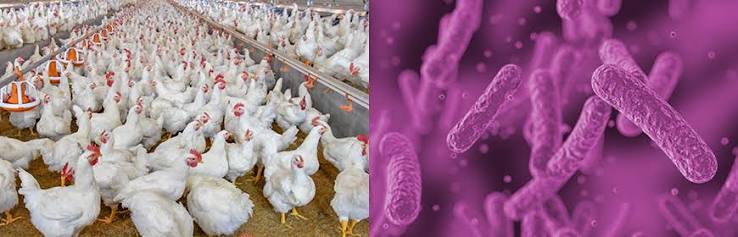



Veterinary authorities identify Salmonella Infantis among the country’s most common poultry serovars, reinforcing calls for stronger antimicrobial stewardship and food safety measures
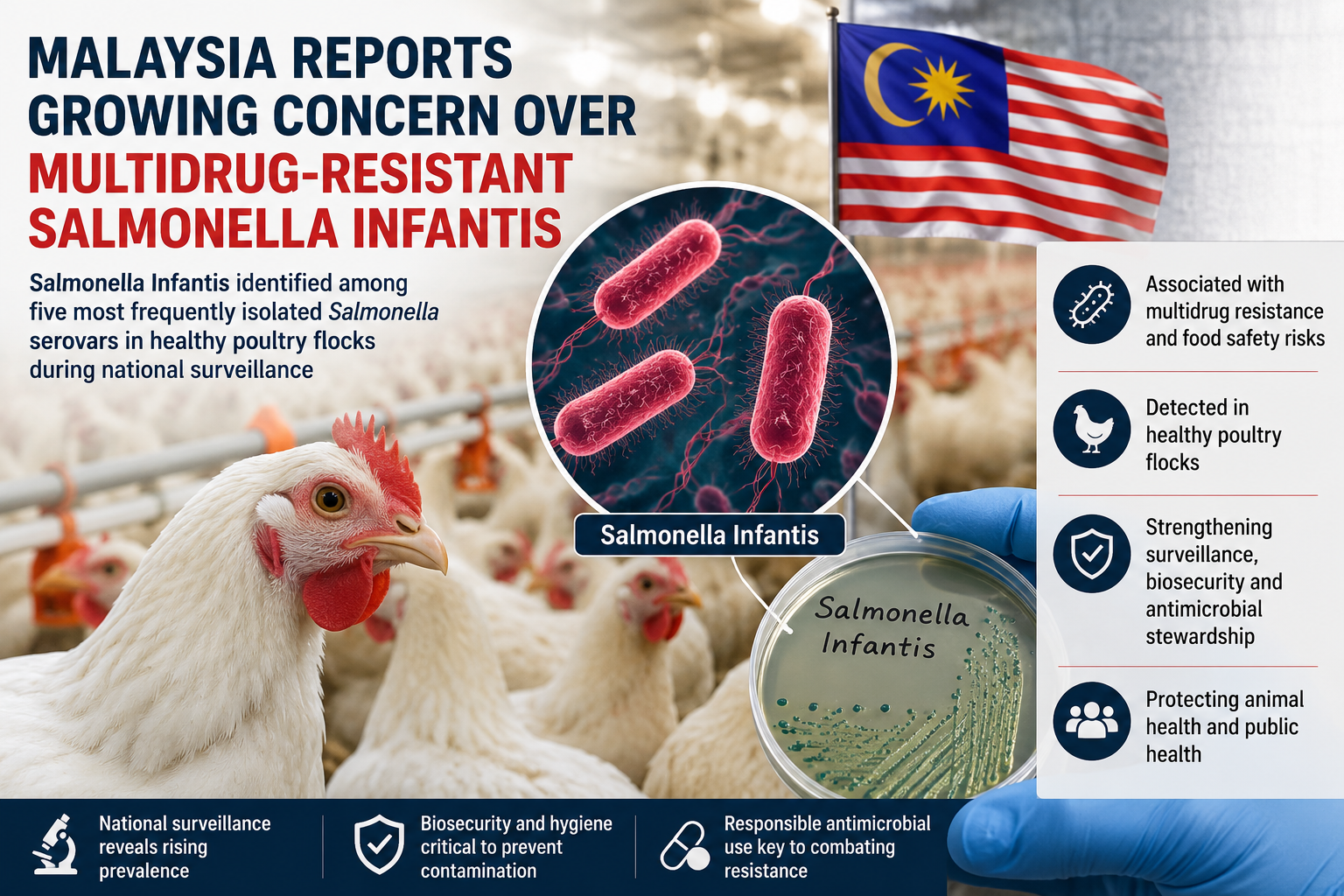
Malaysia’s Department of Veterinary Services (DVS) has reported that Salmonella Infantis, an emerging foodborne pathogen increasingly associated with multidrug resistance (MDR), is now among the five most frequently isolated Salmonella serovars detected in healthy poultry flocks during the country’s national surveillance programme. The findings have heightened attention among veterinary authorities, poultry producers and public health experts because of the serovar’s growing global association with antimicrobial resistance and its potential implications for food safety and international trade.
The surveillance data, presented by the Department of Veterinary Services, indicate that although poultry may carry Salmonella Infantis without showing clinical signs of disease, the organism can enter the food production chain if appropriate biosecurity, hygiene and processing controls are not maintained. The emergence of multidrug-resistant strains has become a growing concern worldwide as they can complicate the treatment of human infections and increase the public health burden associated with foodborne diseases.
National Surveillance Highlights an Emerging Challenge
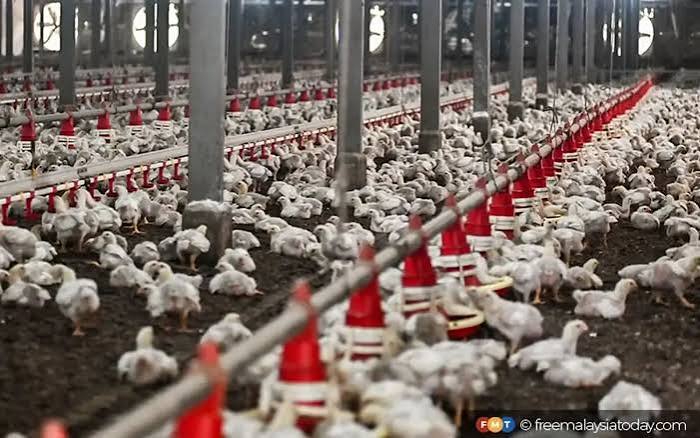
Malaysia’s surveillance programme routinely monitors commercial poultry farms for Salmonella to support disease control, food safety and export compliance. According to the Department of Veterinary Services, Salmonella Infantis now ranks among the country’s five most commonly isolated Salmonella serovars recovered from apparently healthy poultry.
The findings reflect the changing epidemiology of Salmonella in poultry production systems. While traditional serovars such as Salmonella Enteritidis and Salmonella Typhimurium have historically attracted the greatest regulatory attention because of their role in human foodborne illness, Salmonella Infantis has emerged over the past decade as an increasingly important pathogen in poultry industries across Europe, Asia, North America and Latin America.
Veterinary officials noted that continued surveillance remains essential for understanding the prevalence of the organism, evaluating antimicrobial resistance patterns and guiding national control programmes.
Why Salmonella Infantis Is Drawing Global Attention
Unlike many bacterial diseases that cause obvious illness in poultry, Salmonella Infantis frequently colonises the intestinal tract of healthy birds without producing visible clinical symptoms. This silent carriage allows the organism to circulate within poultry flocks and potentially contaminate processing environments if effective hygiene and biosecurity measures are not maintained.
The greater concern internationally stems from the increasing detection of multidrug-resistant Salmonella Infantis strains. Studies from several countries have identified isolates carrying large resistance plasmids that confer reduced susceptibility to multiple classes of antimicrobial agents, including antibiotics considered important in human medicine.
Public health authorities have warned that antimicrobial-resistant foodborne pathogens can reduce treatment options when infections occur in people, reinforcing the importance of integrated surveillance under the One Health approach that links human, animal and environmental health.
Poultry Industry Faces Heightened Biosecurity Expectations
Malaysia’s poultry sector plays an important role in national food security and regional trade. The identification of Salmonella Infantis among the country’s most prevalent serovars is expected to increase emphasis on preventive measures throughout the poultry production chain. Veterinary experts recommend strengthening:
-
farm-level biosecurity programmes;
-
breeder flock monitoring;
-
hatchery sanitation;
-
feed and water hygiene;
-
rodent and pest control;
-
cleaning and disinfection protocols;
-
processing plant hygiene; and
-
routine microbiological surveillance.
Industry specialists note that preventing flock colonisation remains considerably more effective than attempting to eliminate contamination after processing.
Antimicrobial Stewardship Remains Central
The emergence of multidrug-resistant Salmonella Infantis also reinforces the importance of responsible antimicrobial use in food-producing animals.
Malaysia has been progressively strengthening antimicrobial stewardship initiatives through national action plans designed to reduce unnecessary antibiotic use while preserving the effectiveness of critically important medicines.
Veterinary authorities continue to encourage producers to adopt preventive health strategies, including vaccination where appropriate, improved farm management, enhanced nutrition and biosecurity measures that reduce disease pressure and minimise reliance on antimicrobial treatments.
These measures align with international recommendations from global veterinary and public health organisations promoting prudent antimicrobial use across livestock production systems.