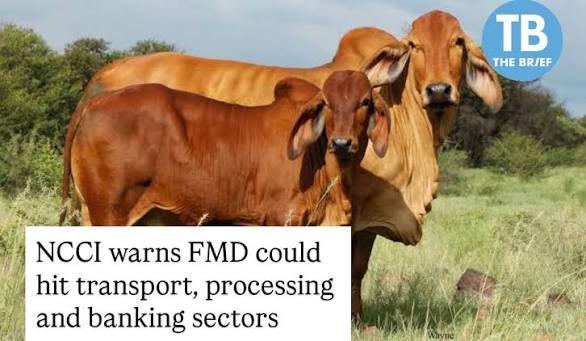
Livestock auctions, cattle movements and slaughter restrictions are disrupting farmers and informal meat businesses following an outbreak confirmed at Kalala Island.
Namibia has begun emergency vaccination against foot-and-mouth disease in its Zambezi region, where restrictions imposed following an outbreak are disrupting livestock sales, meat trading and household incomes, according to an October 18 report by The Namibian.
The Ministry of Agriculture, Fisheries, Water and Land Reform introduced immediate restrictions to contain the highly contagious virus, halting local economies and hitting farmers’ incomes severely.
Outbreak & Containment Measures
- The Detection: Veterinary officials detected clinical symptoms in cattle on Kalala Island on October 5, 2026, with samples confirming the presence of the FMD virus on October 7
- Movement Bans: The government has suspended all movement, marketing, trade, and gathering of cloven-hoofed animals (cattle, sheep, goats, and pigs) across the entire Zambezi region
- Slaughter Suspensions: Slaughtering at local abattoirs and informal markets has been put on hold. However, slaughter at export abattoirs under the Commodity-Based Trade system remains permitted for pre-quarantined cattle meeting full traceability conditions
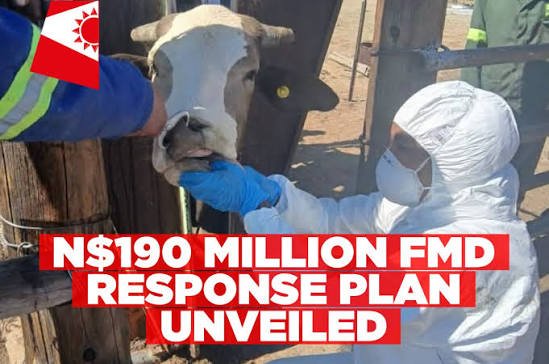
- Emergency Vaccination: Comprehensive emergency vaccination teams targets cattle within the affected zones to halt further transmission
Economic Shock & Income Restrictions
The necessary disease control measures have triggered immediate economic strain for smallholder farmers and local enterprises:
-
Livelihood Reductions: Farmers who depend entirely on livestock sales for extra or primary income have seen cash flows frozen
-
Business Challenges: Local butcheries and meat traders face immense financial pressure, unable to source meat locally while still facing fixed operating costs like rent and payroll
-
Wider Macro Risks: The Zambezi outbreak follows an unrelated FMD outbreak in the southern
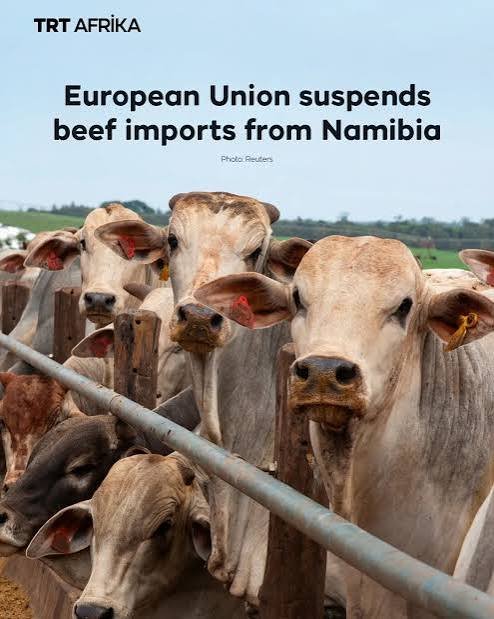
//Kharasregion. The dual crises have already prompted the European Union to temporarily suspend fresh meat imports from Namibia, prompting the Namibia Chamber of Commerce and Industry (NCCI) to pledge financial support to FMD containment funds to save agricultural jobs
Farmers face restricted access to livestock income
For cattle-owning households, the restrictions have interrupted sales used to fund food purchases, school expenses and agricultural inputs ahead of the planting season. Farmers interviewed by The Namibian described livestock assets that could no longer readily be converted into cash.
The disruption has also affected informal meat businesses. One vendor told the publication that she previously earned approximately N$10,000 a month from slaughtering cattle and selling beef in bulk. A pensioner who sold sour milk reported losing supplementary monthly income of around N$1,500. These are individual accounts, not estimates of total regional losses.