


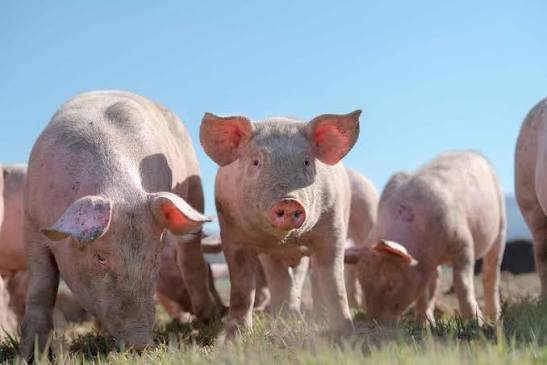
A UK Vaccine Network-funded project aims to develop a dual-protection pig vaccine and a companion DIVA diagnostic, strengthening preparedness against two important viral threats.
UNITED KINGDOM, 15 October 2026 — The Pirbright Institute is leading an international consortium to advance a vaccine designed to protect pigs against both Nipah virus and pseudorabies virus, alongside a diagnostic test that can distinguish infected animals from vaccinated animals.
The three-year project, supported by the UK Vaccine Network, brings together the Friedrich-Loeffler-Institut in Germany, BioStone Animal Health in the United States, and UK partners CPI, Vetquest Research and BioVacc Consulting. The initiative builds on earlier vaccine research and focuses on moving the candidate towards commercial development.
Dual protection with a DIVA diagnostic
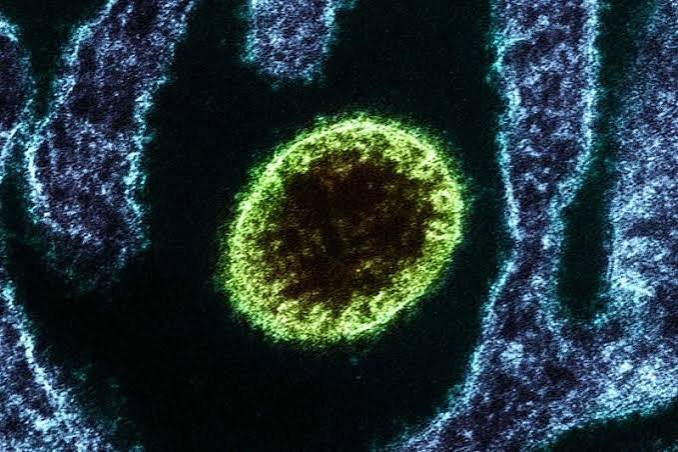
The vaccine candidate uses an attenuated pseudorabies-virus platform engineered to express Nipah-virus proteins. The approach is intended to stimulate protection against both infections through a single vaccine platform.
A central component is the development of a DIVA diagnostic—short for Differentiating Infected from Vaccinated Animals. Such tests are important for disease surveillance because they can help veterinary authorities distinguish natural infection from vaccine-induced immunity.
BioStone Animal Health is developing the DIVA ELISA diagnostic component, while the Friedrich-Loeffler-Institut will contribute technical expertise and relevant efficacy and diagnostic evaluations. The project is expected to prepare the technology for further commercial development, with 2028 identified as a potential milestone, subject to progress.
Why the project matters
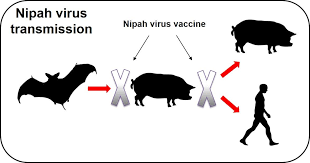
Nipah is a zoonotic virus capable of causing severe disease in humans. Pigs played an important role in the major Malaysian outbreak in the late 1990s, when infection in swine populations was associated with transmission to people. Pseudorabies, also known as Aujeszky’s disease, is a separate viral disease with significant consequences for pig production and animal-health management.
A combined vaccine could eventually offer practical advantages where both pathogens are relevant. However, its potential value will depend on demonstrated safety, efficacy, production feasibility, regulatory approval and affordability.
The development programme must still address manufacturing scale-up, quality control, dose and schedule optimisation, safety assessment and efficacy testing. The proposed DIVA test will also need validation before it can be relied upon for routine surveillance or trade-related decisions.
Implications for India and Asia
The project has particular One Health relevance for countries in South and Southeast Asia, where Nipah surveillance and preparedness remain important. India, Bangladesh, Malaysia, Indonesia, Thailand, Vietnam, Cambodia and the Philippines are among the countries identified in the project’s broader regional context.
For India’s pig sector, the announcement is a research and preparedness signal—not a change to current vaccination practice. The candidate should not be treated as an approved or commercially available vaccine for Indian farms.
If successful, the programme could create opportunities in veterinary vaccines, diagnostic development, licensing and regional manufacturing. Its wider impact will depend on the quality of the forthcoming evidence and the ability to integrate the technology into national disease-control systems.
Outlook
The project represents a promising intersection of swine vaccination, zoonotic-disease preparedness and companion diagnostics. The next milestones to watch are validated efficacy and safety results, progress towards commercial manufacturing and the development of a reliable DIVA testing strategy.

