


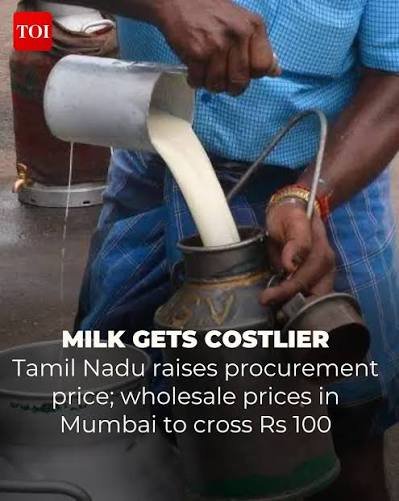
The recent escalation in feed raw material costs—specifically protein supplements like oil cakes (mustard, cotton seed, and soybean meal) and pulse processing byproducts like chana chuni (Bengal gram husk/split residue) and tur chuni—is severely squeezing operating margins for smallholder and commercial livestock producers across India.
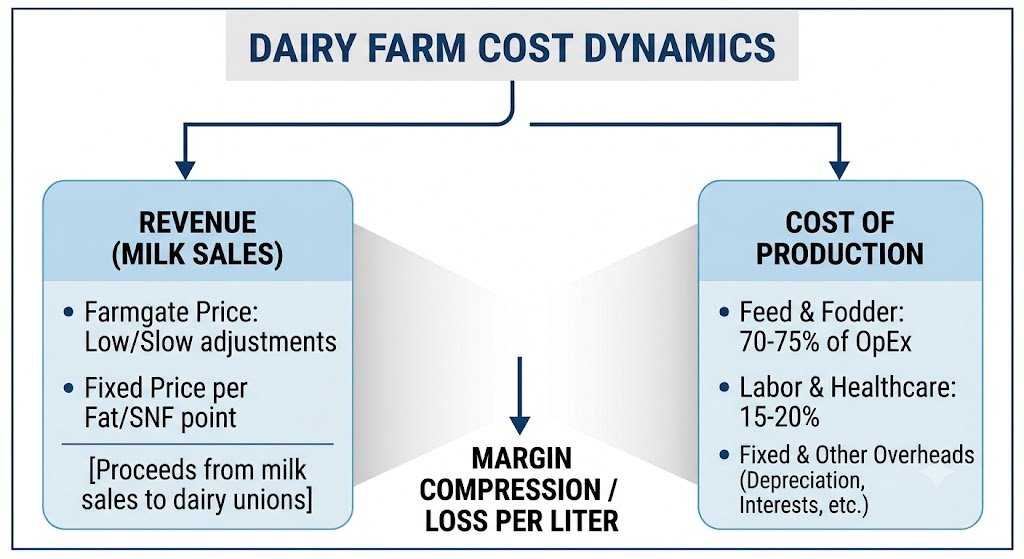
Because feed accounts for 60% to 75% of total operational expenditure in dairy and poultry farming, even single-digit inflation in raw ingredients directly threatens farm profitability.
1. Cost Drivers: The Feed Inflation Spiral
The price hikes stem from a combination of adverse climate patterns affecting pulse and oilseed yields, elevated international soybean/oilseed prices, and increased transportation costs.
-
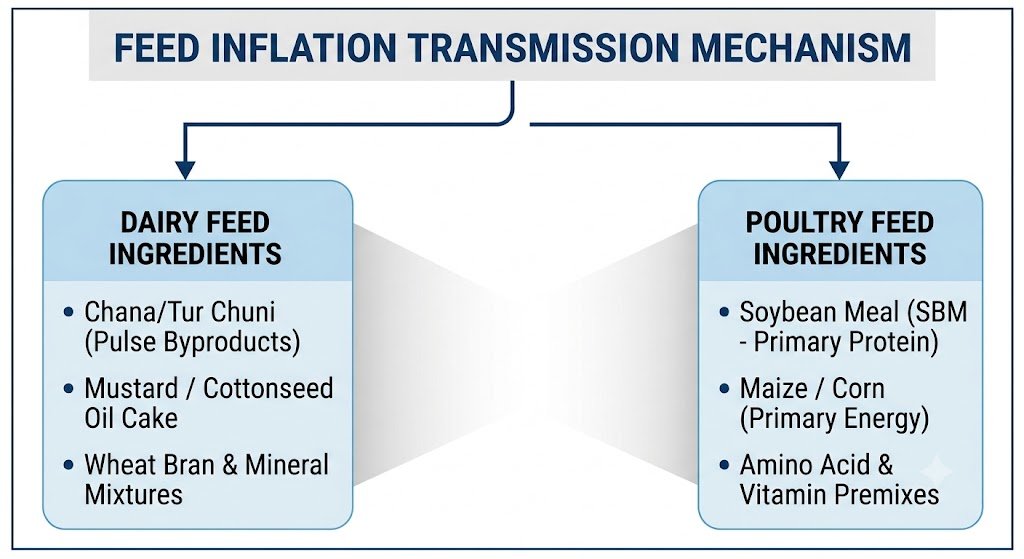
Chana & Tur Chuni: Essential for dairy cattle ruminal fermentation and protein-to-fiber balance. Prices have surged 20–30% in key agricultural mandis across Maharashtra, Gujarat, and Madhya Pradesh, driving up compound cattle feed production costs.
-
Oilseed Cakes (Mustard, Cottonseed, Soy): High-protein meal fractions have seen sustained price strength due to tight domestic crushing margins and strong export demand for de-oiled cakes (DOC).
2. Impact on Dairy Farm Margins
Indian dairy farming is structurally vulnerable to feed inflation because wholesale farmgate milk prices are largely controlled by cooperatives (e.g., Amul, Nandini) or local private dairies, which adjust purchase prices slowly.
Key Dairy Impacts:
-
Margin Compression: While wholesale loose milk prices in cities like Mumbai have jumped to ₹102/litre (prompting ₹9/L hikes to cover ₹25% feed cost spikes), smallholder farmers in rural hubs often experience a lag before these price increases trickle down to the farmgate level.
-
Underfeeding and Milk Yield Drops: To cope with high chuni and cake prices, smallholders often dilute high-protein concentrates with lower-quality dry fodder (paddy straw/wheat straw). This leads to:
-
Lower Milk Yields: Drop of 10–15% in daily per-animal production.
-
SNF/Fat Penalty: Lower Solid-Not-Fat (SNF) and Fat percentages, causing dairies to pay farmers less per liter under quality-based pricing grids.
-
-
Reproductive & Herd Health Risks: Long-term protein and mineral under-nutrition impairs bovine fertility, lengthening inter-calving periods and increasing long-term herd maintenance costs.
3. Impact on Poultry Farm Margins (Broiler & Layer)
Unlike dairy, the Indian poultry sector operates on short lifecycle cycles (35–42 days for broilers; ~72 weeks for layers). However, its extreme dependence on Soybean Meal (SBM) and Maize makes it hyper-sensitive to day-to-day ingredient price volatility.
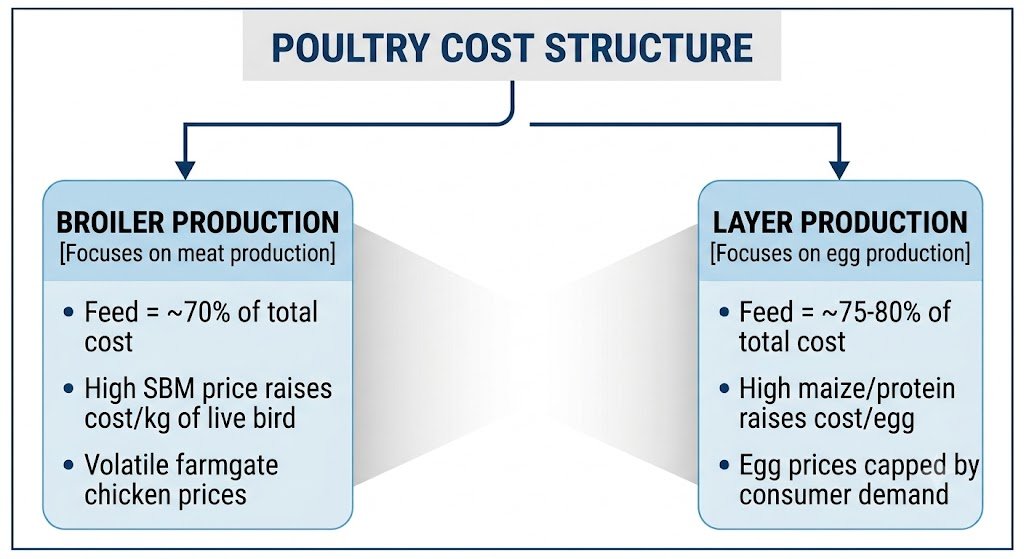
Key Poultry Impacts:
-
Broiler Economics (Negative Spreads):
-
The cost of producing 1 kg of live broiler chicken has escalated rapidly.
-
When wholesale farmgate chicken prices drop due to seasonal demand dips (e.g., religious fasting periods), farmers face negative margins, losing ₹10–₹25 per bird sold.
-
-
Layer Sector (Egg Production):
-
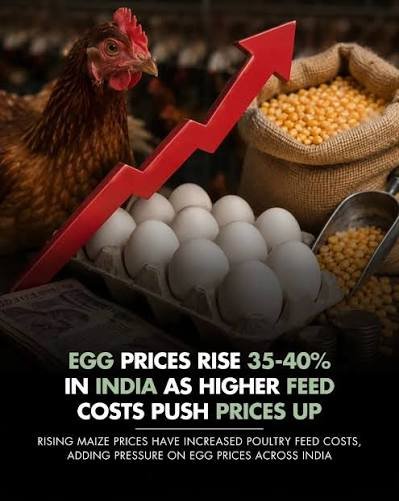
Producing a single egg requires ~110–115 grams of layer feed daily.
-
Rising maize and oil cake prices drive production costs near or above the National Egg Coordination Committee (NECC) declared farmgate rates, narrowing margins for standalone layer farmers.
-
-
Contract Farming Shift: Independent poultry farmers are increasingly forced to convert into contract growers for large integrated companies (e.g., Suguna, Venky’s, IB Group). Integration shields farmers from feed price volatility in exchange for a fixed growing charge per kg, accelerating consolidation across the sector.
4. Mitigation Strategies & Sector Outlook
Sector |
Short-Term Mitigation Strategy |
Long-Term Structural Solution |
Dairy |
• Substituting chana chuni with alternative pulse byproducts• Increasing green fodder (Napier grass, Azolla) cultivation• Total Mixed Ration (TMR) feeding |
• Silage commercialization & fodder banks• Breed improvement for higher feed-conversion efficiency |
Poultry |
• Partial replacement of Soybean Meal with Distillers Dried Grains with Solubles (DDGS)• Phytase and enzyme supplementation to improve nutrient absorption |
• Policy easing on feed-grade maize/soybean imports during domestic deficits• Integration into contract farming networks |

