


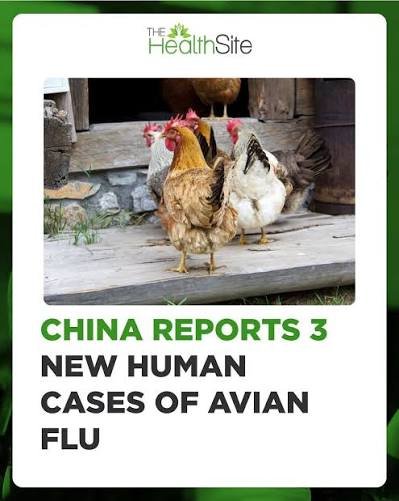
3 New Human Cases of H9N2 Avian Flu Confirmed in Mainland China
Health monitoring agencies, including the World Health Organization (WHO) and Hong Kong’s Centre for Health Protection (CHP), have reported three new cases of human infection with avian influenza A(H9N2) in mainland China. The confirmed cases occurred across three distinct regions: Guangxi, Jiangsu, and Guangdong.
All three individuals had documented exposure to live poultry prior to the onset of symptoms, reinforcing the role of live bird markets and direct avian contact as the primary pathway for spillover infections.
Breakdown of the New H9N2 Cases
According to epidemiological data released by WHO WPRO and CHP, the clinical outcomes varied depending on patient age and underlying medical conditions:
Region |
Patient Age / Sex |
Symptom Onset |
Poultry Exposure |
Clinical Outcome |
Jiangsu |
4-year-old male |
June 22, 2026 |
Direct Live Poultry |
Mild symptoms; Fully recovered |
Guangxi |
4-year-old male |
June 26, 2026 |
Direct Live Poultry |
Mild symptoms; Fully recovered |
Guangdong |
44-year-old male |
June 26, 2026 |
Direct Live Poultry |
Severe; ICU care (underlying conditions) |
While pediatric cases typically present with mild-to-moderate upper respiratory symptoms, older adults or individuals with pre-existing health conditions face a heightened risk of severe complications requiring intensive medical care.
What Is Avian Influenza A(H9N2)?
Avian influenza A(H9N2) is a subtype of the bird flu virus that circulates continuously in poultry populations across Asia, the Middle East, and parts of Africa. Unlike highly pathogenic strains like H5N1, H9N2 is classified as a low pathogenic avian influenza (LPAI) virus in birds, often causing mild or asymptomatic infections in flock populations.
Key Characteristics of H9N2:
-
Zoonotic Spillover: Humans contract H9N2 through direct contact with infected live poultry, contaminated environments, or wet markets selling freshly slaughtered birds.
-
Low Human-to-Human Transmission Risk: Current surveillance shows no evidence of sustained or efficient person-to-person transmission.
-
Pandemic Potential: Despite low virulence in humans, scientists closely monitor H9N2 due to its propensity for genetic reassortment—providing internal gene segments to other dangerous avian flu strains.
Global & Regional Public Health Impact
Since 2015, global health authorities have recorded 173 human cases of A(H9N2) in the Western Pacific Region, with over 98% of detections reported from China. Sporadic cases have also been detected in Cambodia, Vietnam, and India.
Public health experts emphasize that human H9N2 cases are likely underreported because mild cases mimic common seasonal colds and do not trigger clinical laboratory testing. Continued environmental monitoring and biosecurity protocols across live poultry supply chains remain crucial to prevent wider community exposure.
Essential Safety Guidelines for Live Poultry Exposure
Health authorities advise the public and agricultural workers to follow strict preventive measures:
-
Avoid Direct Contact with Live Poultry: Limit visits to live bird markets and avoid touching sick or dead birds.
-
Practice Hand Hygiene: Wash hands thoroughly with soap and water immediately after handling raw poultry products or visiting agricultural markets.
-
Cook Poultry Thoroughly: Ensure all poultry products and eggs are fully cooked to safe internal temperatures before consumption.
-
Report Sick Livestock: Poultry handlers should report unusual bird illnesses or sudden flock mortality to local veterinary authorities immediately.

 in Guangxi, Jiangsu, and Guangdong)