HomeCompanion AnimalsUS: MiDOG Animal Diagnostics Launches First NGS-Based Parasite-Only Test for Vet Diagnostics

US: MiDOG Animal Diagnostics Launches First NGS-Based Parasite-Only Test for Vet Diagnostics

Veterinary molecular diagnostics company MiDOG Animal Diagnostics has announced the commercial launch of what it describes as the veterinary industry’s first Next-Generation Sequencing (NGS)-based parasite-only diagnostic assay, providing clinicians with a new tool for identifying a broad range of parasitic infections from a single laboratory test.

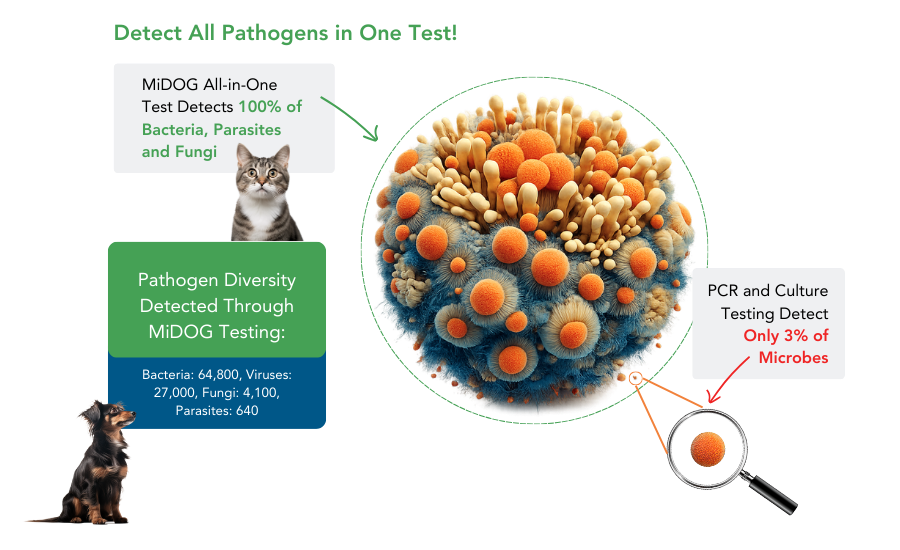
The new molecular assay has been developed using a proprietary reference database containing more than 4,300 parasite and protozoan genomes, enabling comprehensive detection of parasitic organisms that are often difficult to identify using conventional microscopic diagnostic methods.

The launch represents a significant advancement in veterinary parasitology as diagnostic laboratories increasingly adopt genomic technologies to improve disease detection and clinical decision-making.

Expanding the Capabilities of Veterinary Diagnostics

Traditional parasite diagnosis in veterinary medicine has largely relied on microscopic examination of faecal samples through flotation or sedimentation techniques. While these methods remain widely used, their accuracy can be influenced by parasite life stage, intermittent egg shedding, sample quality and operator expertise.

MiDOG’s new sequencing-based platform applies high-throughput genomic analysis to identify parasite DNA directly from clinical specimens, allowing veterinary clinicians to detect a wider spectrum of pathogens with greater analytical precision.

According to the company, the assay has been specifically designed to support the diagnosis of complex parasitic infections encountered in companion animals, wildlife and exotic species.

Broad Reference Database Supports Comprehensive Detection

The diagnostic platform has been built around an extensive genomic reference library containing thousands of validated parasite and protozoan sequences.

This comprehensive database enables the assay to identify numerous gastrointestinal parasites, protozoan organisms and vector-borne pathogens that may otherwise remain undetected using conventional laboratory techniques.

The technology is also expected to improve identification of mixed infections involving multiple parasite species, an area that has traditionally presented diagnostic challenges in veterinary practice.

Improved Detection of Tick-Borne and Wildlife Parasites

One of the key applications of the new test is the identification of tick-borne parasitic pathogens, which continue to expand geographically as climate conditions and vector populations evolve.

The assay also provides enhanced capability for detecting parasites affecting wildlife and exotic animal species, where limited reference material and unusual parasite diversity often complicate diagnosis.

Veterinary specialists working with zoological collections, wildlife rehabilitation centres and exotic companion animals are expected to benefit from broader molecular identification capabilities offered by the platform.

Supporting Earlier Clinical Intervention

Accurate parasite identification plays an important role in selecting appropriate treatment strategies while reducing unnecessary use of antiparasitic medications.

By enabling species-level identification through genomic sequencing, the new assay may assist veterinarians in tailoring treatment protocols more precisely and improving long-term parasite control programmes.

Earlier and more accurate diagnosis may also contribute to better surveillance of emerging parasitic diseases and support epidemiological investigations involving wildlife, companion animals and livestock.

Growing Role of Next-Generation Sequencing

Next-Generation Sequencing technologies are increasingly transforming veterinary diagnostics by allowing simultaneous detection of multiple pathogens from a single sample.

Unlike targeted molecular tests that search for individual organisms, sequencing platforms can analyse large quantities of genetic material to identify known pathogens while also recognising uncommon or previously unexpected organisms.

As sequencing costs continue to decline and analytical capabilities expand, NGS is becoming an increasingly valuable component of advanced veterinary diagnostic laboratories.

Industry Significance

The commercial introduction of MiDOG’s parasite-focused sequencing assay reflects the continued evolution of veterinary diagnostics toward genomic medicine and precision disease detection.

With parasitic diseases remaining a major cause of illness in companion animals, wildlife and exotic species, advanced molecular diagnostics have the potential to improve diagnostic accuracy, strengthen disease surveillance and support more targeted therapeutic decision-making.

The launch also highlights the growing integration of genomic technologies into routine veterinary practice, providing clinicians with increasingly sophisticated tools to manage infectious diseases in a rapidly changing animal health landscape.

Animal Health India Editorial Team
Animal Health India Editorial Teamhttps://animalhealthindia.com
Animal Health India (AHI) is an independent news and intelligence platform covering the global animal health, veterinary, livestock, poultry, companion animal and pet food sectors. Our editorial team comprises veterinary journalists, animal health professionals, regulatory affairs specialists and industry analysts with over 30 years of combined experience covering India, Asia, Europe and North America. AHI publishes news, regulatory updates, market intelligence and company news drawn from primary sources including DAHD, EMA, USDA, AVMA and leading veterinary publications worldwide.
RELATED ARTICLES