



Virbac broadens its bovine respiratory disease vaccine portfolio
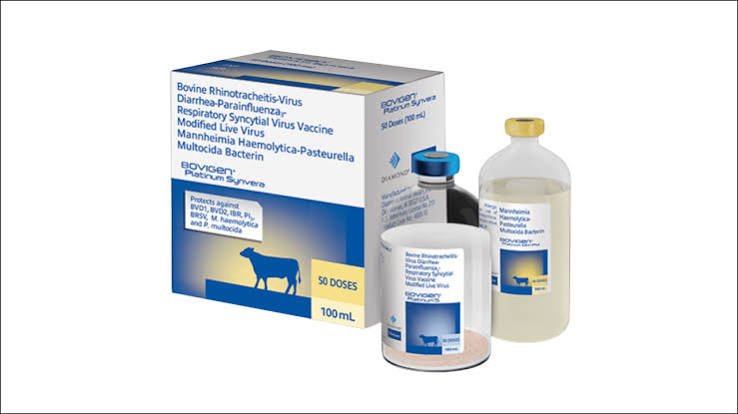
Virbac is expanding its BOVIGEN Platinum vaccine line with BOVIGEN Platinum Synvera, an eight-way vaccine developed for broader protection against pathogens associated with bovine respiratory disease (BRD).
The product announcement, highlights additional coverage against Mannheimia haemolytica genotypes 1 and 2 and Pasteurella multocida, alongside protection against major viral components associated with BRD.
BRD is a significant health challenge in cattle production, particularly in young animals and in systems where transport, commingling, environmental stress and other risk factors can increase susceptibility to respiratory disease.
Eight-way protection: what the company says the vaccine covers
According to the product announcement, BOVIGEN Platinum Synvera includes protection against:
-
Bovine viral diarrhoea virus (BVDV) types 1 and 2.
-
Infectious bovine rhinotracheitis virus.
-
Bovine parainfluenza virus type 3.
-
Bovine respiratory syncytial virus.
-
Mannheimia haemolytica genotypes 1 and 2.
-
Pasteurella multocida through killed whole-cell bacterins.
The product is described as a modified-live vaccine with additional bacterial components intended to broaden protection beyond the traditional five-way BRD vaccine formulation.
Virbac says the inclusion of the two M. haemolytica genotypes and P. multocida is intended to address additional bacterial contributors to respiratory disease.
The announcement also notes that BVDV strain 1a has demonstrated cross-protection against strain 1b. Such product-specific claims should be interpreted in accordance with the approved label, supporting evidence and relevant local regulatory requirements.
Why BRD prevention remains important
BRD is not a single-pathogen disease. It is a multifactorial respiratory disease complex involving infectious agents, host susceptibility and environmental or management conditions.
Vaccination is one component of a broader prevention strategy. Calf management, nutrition, ventilation, transport practices, stocking density, biosecurity and early detection can all influence disease risk and outcomes.
For producers, the value of a vaccine depends not only on the number of pathogens included but also on its demonstrated efficacy, safety, duration of immunity, administration requirements and fit with the herd’s disease profile.
A broader-valency vaccine should therefore be assessed against local epidemiology and veterinary advice rather than assumed to be universally superior to every alternative.
Endotoxin reduction and product tolerability
Virbac says the product was developed with reduced endotoxin levels. Endotoxins, including lipopolysaccharides associated with certain Gram-negative bacteria, can contribute to inflammatory reactions.
The company’s stated objective is to broaden bacterial coverage while limiting the burden of vaccine-associated reactions. The Feedstuffs announcement describes preliminary field-safety observations from a sample of 247 calves across three US geographic locations.
According to the announcement, none of the vaccinated calves went off feed or showed reported negative effects; 31 animals developed injection-site swellings that resolved within 21 days. The company reported no other adverse reactions in that preliminary sample.
These observations should not be interpreted as proof that adverse events cannot occur. The sample size, study design, follow-up period and nature of the observations limit the conclusions that can be drawn. Product-specific safety information and the approved label remain essential.
Commercial and farm-management implications
For cattle-health businesses, the launch illustrates continued competition in the BRD vaccine category around breadth of protection and tolerability.
For veterinary practices and cattle producers, evaluation should consider:
-
The pathogens known to circulate in the herd or region.
-
The product’s approved age, route, timing and handling requirements.
-
The expected onset and duration of immunity.
-
Safety evidence and contraindications.
-
Cost per animal and the overall economics of the prevention programme.
-
Integration with management practices and other vaccines.

