



How Antimicrobial Use in Livestock Has Become a Major Trade, Animal Health and Food Safety Issue.
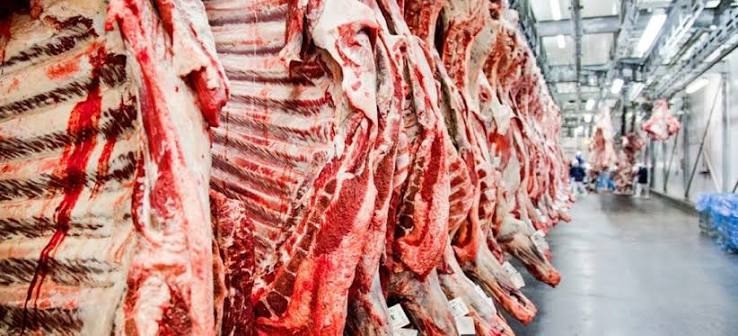
Brazil, one of the world’s largest exporters of beef, poultry and pork, is facing an increasingly complex debate over the future use of antimicrobials in livestock production. Producers, meat processors, veterinary professionals and the federal government are weighing how to balance animal health, food security and export competitiveness following stricter European Union requirements related to antimicrobial use.
The discussion has gained momentum after the European Union suspended imports from certain Brazilian meat establishments over compliance concerns, increasing pressure on Brazil’s livestock sector to strengthen antimicrobial stewardship and align more closely with international expectations. While the restrictions have affected approved establishments rather than constituting a blanket ban on all Brazilian meat, they have intensified national debate over future policy. Trade groups warn that export opportunities could be affected if Brazil fails to meet evolving international standards, while producers argue that any new rules must remain practical and science-based.
The issue extends beyond trade. It sits at the intersection of animal health, public health, antimicrobial resistance (AMR) and global food security, making it one of the most closely watched policy discussions in the international livestock industry.
Why Antimicrobial Use Matters
Antimicrobials are essential medicines used by veterinarians to prevent, control and treat bacterial diseases in livestock. In modern cattle, poultry and swine production, responsible antimicrobial use helps:
Treat bacterial infections.
Protect animal welfare.
Reduce disease outbreaks.
Maintain herd and flock productivity.
Support safe and sustainable food production.
Without effective antimicrobials, infectious diseases could result in higher mortality, poorer growth and significant economic losses for livestock producers.
However, inappropriate or excessive use of these medicines may contribute to the development of antimicrobial resistance, where bacteria evolve the ability to survive treatments that were previously effective.
Antimicrobial Resistance Is a Global Concern
The World Health Organization (WHO), the World Organisation for Animal Health (WOAH) and the Food and Agriculture Organization (FAO) recognise antimicrobial resistance as one of the most significant global health challenges. The internationally adopted One Health approach acknowledges that the health of people, animals and the environment are closely linked.
Responsible antimicrobial stewardship in veterinary medicine therefore plays an important role in slowing the emergence and spread of resistant bacteria while maintaining access to effective treatments for both animals and humans.
Many countries have responded by strengthening regulations governing veterinary antimicrobial use.
The European Union Has Tightened Its Standards
Over the past decade, the European Union has introduced some of the world’s strictest rules on veterinary antimicrobials. These measures include:
Restrictions on routine preventive antimicrobial use.
Prohibition of antibiotics for growth promotion.
Increased veterinary oversight.
Enhanced residue monitoring.
Comprehensive surveillance of antimicrobial consumption.
Greater traceability throughout the food chain.
The EU’s regulatory framework is designed to reduce unnecessary antimicrobial exposure while maintaining high standards of animal health and food safety.
As one of the world’s largest premium food markets, EU policy often influences livestock production standards in exporting countries.
Brazil Faces a Difficult Balancing Act
Brazil is a global leader in animal protein production. The country is:
The world’s largest beef exporter.
One of the largest poultry exporters.
A major global pork supplier.
Its livestock industry supports millions of jobs and contributes substantially to national export earnings. Maintaining access to premium international markets therefore remains a strategic priority. At the same time, producers stress that veterinary antimicrobials remain indispensable for managing disease risks in large-scale commercial production systems.
Many industry representatives argue that any regulatory changes should be based on scientific evidence, practical disease control needs and veterinary oversight rather than trade pressure alone.
Industry and Government Hold Different Perspectives
The current discussion reflects differing priorities across the livestock value chain. Some exporters believe that closer alignment with European standards could strengthen Brazil’s long-term access to high-value international markets and enhance confidence in Brazilian animal products.
Others caution that rapidly introducing additional restrictions could increase production costs, reduce flexibility in disease management and place greater pressure on farmers, particularly during disease outbreaks.
Government agencies must therefore balance several competing objectives:
Protecting animal health.
Supporting farmer livelihoods.
Maintaining export competitiveness.
Preserving market access.
Addressing international expectations on antimicrobial stewardship.
Responsible Use Does Not Mean No Use
Veterinary experts emphasise that antimicrobial stewardship is not about eliminating antibiotics from livestock production.
Instead, it focuses on ensuring that these medicines are used:
Only when clinically justified.
Under veterinary supervision.
At the correct dose.
For the appropriate duration.
With full compliance with withdrawal periods.
Alongside strong biosecurity and disease prevention measures.
Improved farm management, vaccination, nutrition, hygiene and surveillance can reduce disease pressure and lower the need for antimicrobial treatment without compromising animal welfare.
Alternative Disease Prevention Strategies
Many livestock systems are increasingly investing in preventive health programmes that reduce reliance on antimicrobials. These include:
Comprehensive vaccination programmes.
Enhanced farm biosecurity.
Better housing and ventilation.
Improved nutrition.
Water quality management.
Probiotics and competitive exclusion products.
Precision livestock monitoring.
Early disease detection using digital technologies.
These approaches help maintain productivity while supporting responsible antimicrobial stewardship.
Global Trade Is Driving Higher Standards
International food markets increasingly evaluate animal products not only on price and quality but also on production practices. Retailers and consumers are showing greater interest in:
Responsible medicine use.
Animal welfare.
Traceability.
Environmental sustainability.
Food safety.
Certification programmes.
As a result, antimicrobial stewardship has become an important component of export competitiveness. Countries seeking access to premium markets may need to demonstrate compliance with evolving international expectations while maintaining effective disease control.
What This Means for the Global Animal Health Industry
The debate unfolding in Brazil reflects a broader shift occurring across the global livestock sector.
Veterinary pharmaceutical companies, vaccine manufacturers, diagnostics providers and animal nutrition businesses are increasingly developing technologies that help producers prevent disease rather than relying primarily on therapeutic antimicrobial use. Innovation is expanding in areas such as:
Next-generation vaccines.
Rapid diagnostic testing.
Precision livestock farming.
Digital herd health monitoring.
Functional feed additives.
Gut health solutions.
Improved biosecurity technologies.
These advances support healthier animals while contributing to more responsible antimicrobial use.
Outlook
Brazil’s discussions on antimicrobial policy are likely to shape not only the future of its livestock industry but also its position in global meat trade.
The challenge will be finding a balanced approach that protects animal health, supports farmers, meets international market expectations and contributes to the global effort to slow antimicrobial resistance.
As scientific knowledge, veterinary medicine and international regulations continue to evolve, responsible antimicrobial stewardship is expected to become an increasingly important pillar of sustainable livestock production worldwide.
Key Takeaways
- Brazil is reviewing antimicrobial use policies amid increased scrutiny from export markets
- The debate involves producers, meat processors, veterinarians and government authorities
- Responsible antimicrobial stewardship is central to tackling antimicrobial resistance while maintaining animal welfare
- The European Union continues to strengthen standards on veterinary antimicrobial use and food safety
- Preventive health measures, including vaccination, biosecurity and improved farm management, can reduce dependence on antimicrobials
- International trade is increasingly linked to responsible livestock production practices and evidence-based animal health management
References
- World Organisation for Animal Health (WOAH). Antimicrobial Resistance and the Responsible Use of Antimicrobials in Animals
- World Health Organization (WHO). Global Action Plan on Antimicrobial Resistance
- Food and Agriculture Organization (FAO). Action Plan on Antimicrobial Resistance
- European Commission. Regulation (EU) 2019/6 on Veterinary Medicinal Products
- European Medicines Agency (EMA). Sales of Veterinary Antimicrobial Agents in Europe
- Codex Alimentarius Commission. Code of Practice to Minimize and Contain Foodborne Antimicrobial Resistance

