


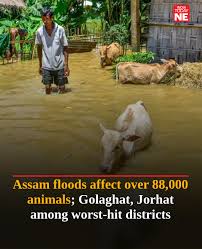
Massive Veterinary Relief Effort Underway After Devastating Floods in Assam
Emergency veterinary teams have launched large-scale field operations across flood-affected districts of Assam following one of the region’s most severe flooding events, which has impacted more than 880,000 livestock and companion animals.
As floodwaters gradually recede, state veterinary departments, animal husbandry officials and animal welfare organisations are working together to provide urgent medical care, disease prevention and emergency feeding support to thousands of affected animals.
The coordinated response aims to reduce animal deaths, prevent disease outbreaks and help farmers protect their livestock during the critical recovery period.
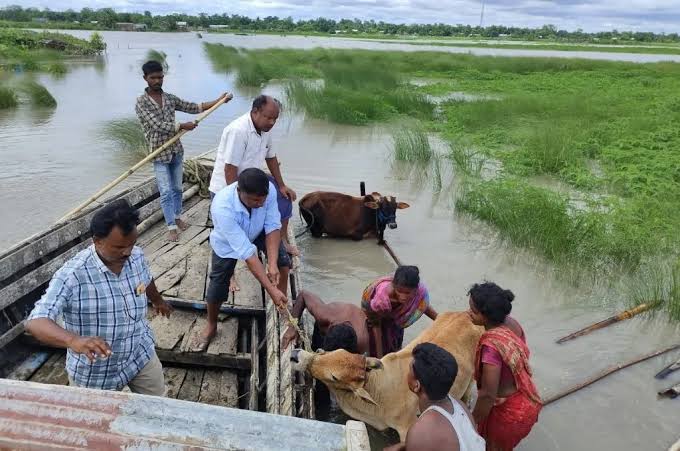
More Than 10,000 Animals Already Receiving Emergency Treatment
Mobile veterinary camps have been established in some of the worst-affected areas, where veterinarians and para-veterinary teams are treating more than 10,000 injured, sick and traumatised animals.
Many rescued animals have suffered injuries caused by flood debris, prolonged exposure to contaminated water and exhaustion after days of displacement.
Veterinary teams are providing immediate treatment for:
-
Wounds and soft tissue injuries
-
Foot infections caused by prolonged standing in water
-
Skin diseases and bacterial infections
-
Dehydration and weakness
-
Stress-related health complications
-
Nutritional deficiencies following feed shortages
Companion animals, including dogs and cats rescued from flooded communities, are also receiving medical attention alongside cattle, buffaloes, goats, sheep and other livestock.
Preventing Disease Outbreaks Is a Top Priority
Flood conditions create an ideal environment for infectious diseases to spread rapidly among livestock. Standing water, contaminated grazing areas and overcrowded temporary shelters significantly increase the risk of bacterial and parasitic infections.
Veterinary teams are therefore focusing not only on treatment but also on disease prevention through:
-
Antibiotic therapy where clinically indicated
-
Wound cleaning and dressing
-
Hoof care for water-related infections
-
Health monitoring of vulnerable animals
-
Farmer education on post-flood animal care
Early intervention is considered essential to prevent secondary infections that can lead to significant livestock losses during recovery.
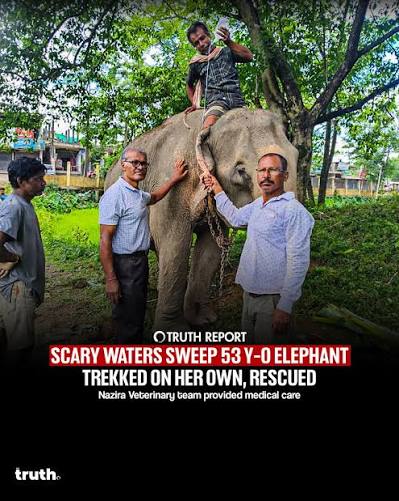
Emergency Fodder Distribution Supports Livestock Survival
One of the biggest challenges following floods is the shortage of safe animal feed. Large areas of grazing land remain submerged or contaminated with floodwater, while stored fodder has been damaged or washed away.
To address this problem, emergency teams are distributing fodder and feed supplies to affected farming communities. Providing adequate nutrition is critical because weakened animals are more susceptible to disease, reduced milk production, poor reproductive performance and higher mortality.
For many rural households, protecting livestock also means protecting livelihoods, as cattle, buffaloes, goats and poultry provide essential income, milk, meat and draft power.
Livestock Are Central to Rural Recovery
Assam’s livestock sector plays an important role in household food security and rural income generation.
Flood-related animal losses can have long-lasting economic consequences, particularly for smallholder farmers who depend on a limited number of animals. Rapid veterinary intervention helps minimise these losses by:
-
Reducing preventable animal deaths
-
Preserving milk production
-
Supporting animal welfare
-
Protecting breeding animals
-
Preventing the spread of infectious diseases
-
Accelerating recovery of farming communities

