


FAO Food Price Index rises 0.6% in July 2026; wheat and maize prices increase sharply, while meat prices record their first monthly decline of the year
Global food commodity prices moved modestly higher in July 2026, with weather-related concerns, geopolitical tensions and energy-market pressures pushing up prices for cereals and vegetable oils, according to the latest data from the Food and Agriculture Organization of the United Nations (FAO).
The FAO Food Price Index averaged 131.1 points in July, increasing 0.6% from June and standing 1% above its July 2025 level. The July movement marked another month of divergent trends across major food commodities, with cereals rising strongly while meat prices moved lower.
Cereals Lead July Price Increase
The FAO Cereal Price Index rose 3.4% month on month in July, reversing its decline in May. The index was 6.9% higher than a year earlier, highlighting the increasing pressure on global grain markets.
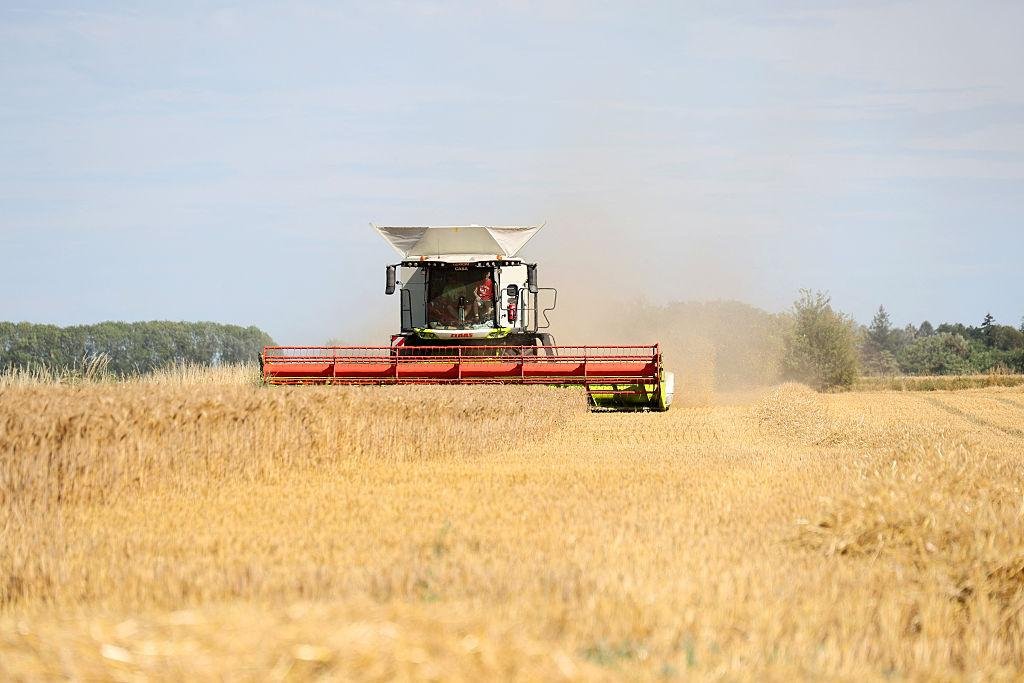
Wheat was one of the strongest movers. International wheat prices increased 5.8% in July, as markets reacted to concerns about continued disruptions to Black Sea export flows and the potential impact of heatwaves on yields in several major producing countries.
The development is significant because wheat remains one of the world’s most widely traded staple grains. Weather disruptions occurring during critical crop-development periods can rapidly alter expectations about harvest volumes, export availability and inventories.
Maize prices also climb
Global maize prices increased 3.6% in July.
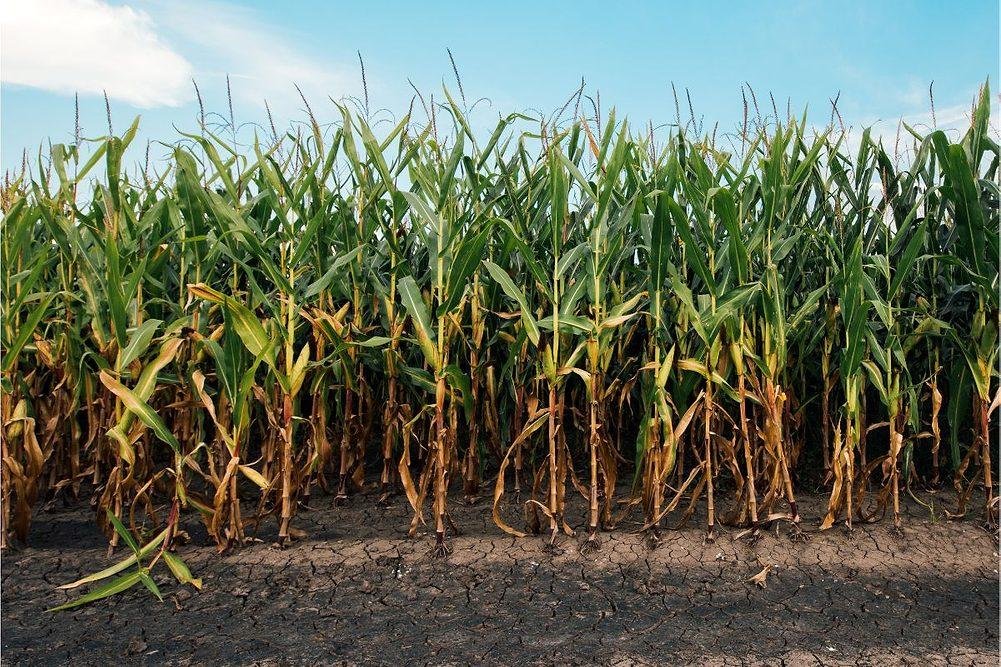
FAO attributed the increase partly to concerns over hot and dry conditions in parts of the United States, together with spillover effects from firmer energy markets amid heightened geopolitical tensions.
Higher energy prices can affect agricultural markets through several channels, including fuel, transportation, processing and biofuel demand. This means that commodity markets can respond not only to crop conditions but also to developments outside agriculture.
Meat Prices Move in the Opposite Direction
While cereal prices climbed, the FAO Meat Price Index declined 2.8% in July, marking its first monthly decrease of 2026 after reaching a record high in June. The decline reflected increased supplies and softer demand in parts of the international meat market.
The broader meat market remains uneven, however. Different livestock sectors and exporting countries are experiencing different supply-demand conditions.
Earlier FAO data showed that pork prices were already under pressure from ample supplies in the European Union, while beef prices had also been affected by expectations of increased export availability from Australia.
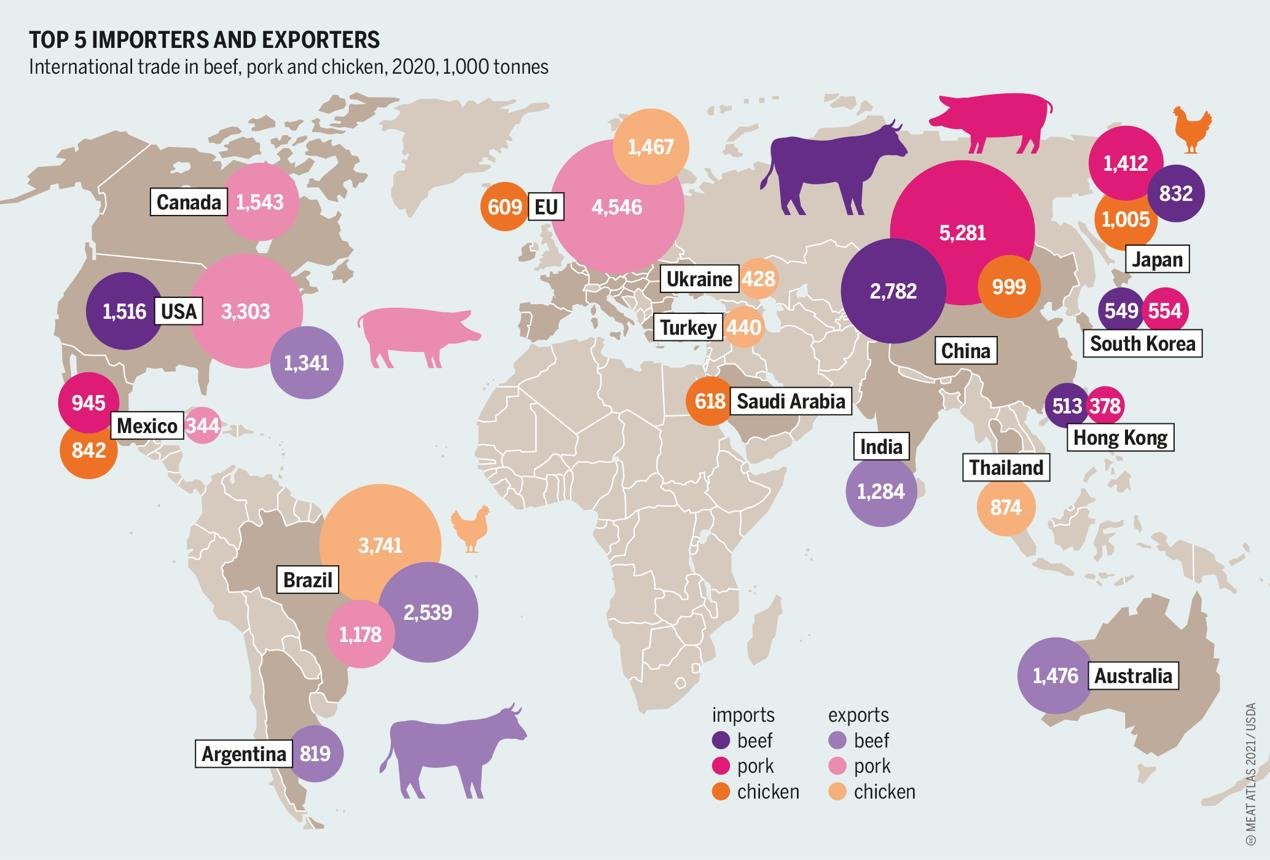
This illustrates an important feature of the global meat market: a decline in the aggregate meat index does not mean that every meat category or exporting country is experiencing falling prices.
Vegetable Oils Add Further Upward Pressure
Vegetable oils also contributed to the July increase in global food prices. The sector remains particularly sensitive to energy-market conditions because vegetable oils are closely linked to biofuel demand as well as food consumption.
FAO’s recent market analysis has highlighted the importance of palm and rapeseed oil markets, while soybean oil prices have also been influenced by biofuel-related demand.
The combination of weather uncertainty, energy prices and geopolitical risks therefore continues to create volatility across agricultural commodity markets.
What the July Numbers Mean for Global Food Inflation
The July figures do not indicate a broad-based food-price surge. Rather, they show a market increasingly characterized by large differences between commodities.
Commodity |
July 2026 movement |
Main factor |
|---|---|---|
FAO Food Price Index |
+0.6% |
Mixed commodity movements |
Cereals |
+3.4% |
Weather and export concerns |
Wheat |
+5.8% |
Black Sea disruptions and heatwaves |
Maize |
+3.6% |
US heat/dryness and energy-market effects |
Meat |
−2.8% |
Higher supplies and softer demand |
Overall index vs July 2025 |
+1.0% |
Year-on-year increase |
Source: FAO and related reporting on the July 2026 Food Price Index.
Implications for Livestock and Animal Health Markets
The contrasting movements in cereals and meat are particularly important for the global livestock and animal-health industries.
Higher grain prices can increase feed costs for poultry, swine and livestock producers, potentially squeezing margins if higher costs cannot be passed through to consumers. Conversely, increased meat availability can place downward pressure on producer prices.
This creates a potentially difficult operating environment for livestock producers: feed-cost inflation can rise at the same time that meat prices weaken.
For animal-health companies, this environment can increase the importance of products and services that support:
-
feed efficiency;
-
herd and flock productivity;
-
disease prevention;
-
reproductive performance;
-
mortality reduction;
-
faster recovery from disease;
-
improved livestock performance under environmental stress.

