


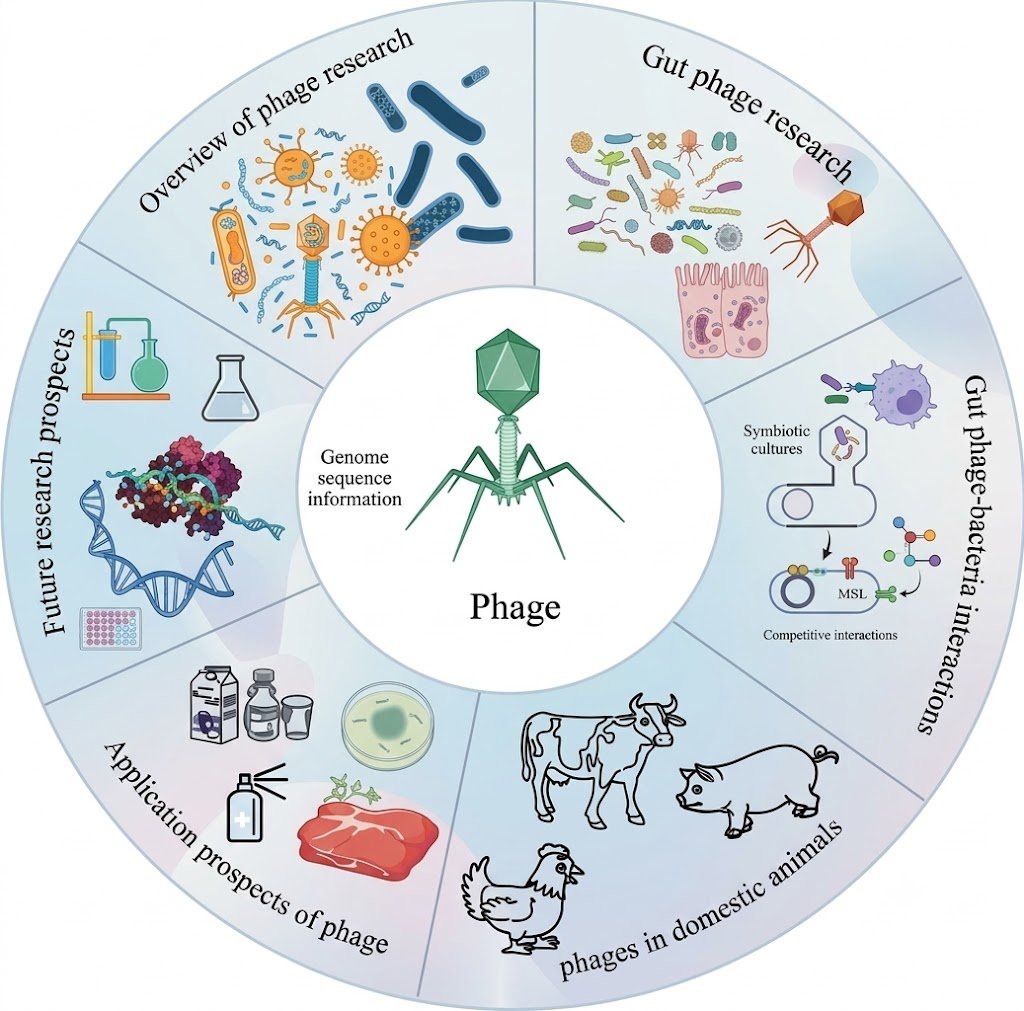
The global animal health industry is undergoing a structural paradigm shift driven by legislative bans on prophylactic Antibiotic Growth Promoters (AGPs), strict regulatory limits on veterinary antimicrobials, and escalating rates of Antimicrobial Resistance (AMR). In this environment, bacteriophages—viruses that exclusively infect and lyse specific bacterial pathogens—have emerged as one of the most targeted, self-replicating, and ecologically sustainable biological alternatives to conventional antibiotics in livestock, aquaculture, and companion animal health.
Fundamentals: What Are Bacteriophages?
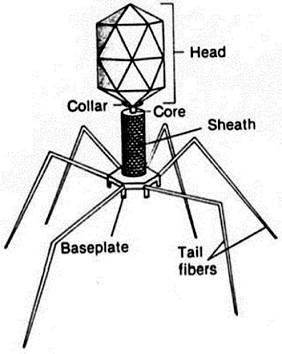
Bacteriophages (phages) are naturally occurring viruses composed of a nucleic acid core (DNA or RNA) enclosed within a protein coat (capsid) that strictly target host bacterial cells.
-
Bacteriophages (phages) are viruses that selectively target and kill bacteria. They are the most abundant commonly occurring natural entities, playing crucial roles in regulating bacterial populations and influencing microbial ecosystems.
-
Phages are useful as they can destroy bacteria resistant to drugs such as antibiotics. Phages infect their bacterial hosts with great specificity. They do not infect human cells.
-
Antimicrobial resistance (AMR) poses a serious global threat to our ability to treat bacterial infections. New antibiotics have often proved difficult and expensive to develop. This has led to an interest in an older approach to treating microbial infections by using phages. Phage therapy can be a promising tool for controlling AMR, which is one of the top global public health and development threats.
The animal health industry is increasingly using bacteriophages (phages) as an innovative tool to manage bacterial challenges.
Mechanisms of Action: Lytic vs. Lysogenic Cycles
-
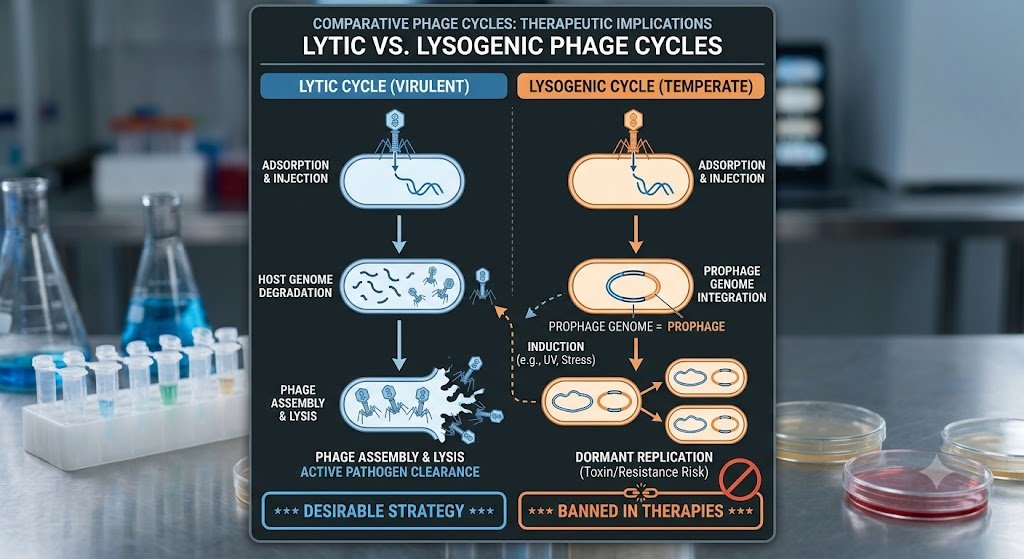
Lytic (Virulent) Cycle: The phage attaches via specific tail-fiber receptors to the bacterial outer membrane, injects its genetic material, hijacks host cell machinery for rapid replication, synthesizes endolysins to breach the cell wall, and causes osmotic lysis. A single lytic cycle releases tens to hundreds of progeny virions (burst size), initiating a self-amplifying cascade until host bacteria are depleted. Only lytic phages are deployed in therapeutic and biocontrol formulations.
-
Lysogenic (Temperate) Cycle: The phage integrates its genetic material into the host bacterial chromosome (prophage), reproducing passively as the cell divides without causing immediate lysis. Temperate phages can carry virulence factors or antibiotic resistance genes, making them unsuitable for animal health formulations.
Why Are Bacteriophages Required in Animal Health?
The transition from conventional veterinary antimicrobials to bacteriophage therapy is driven by multiple systemic factors:
-
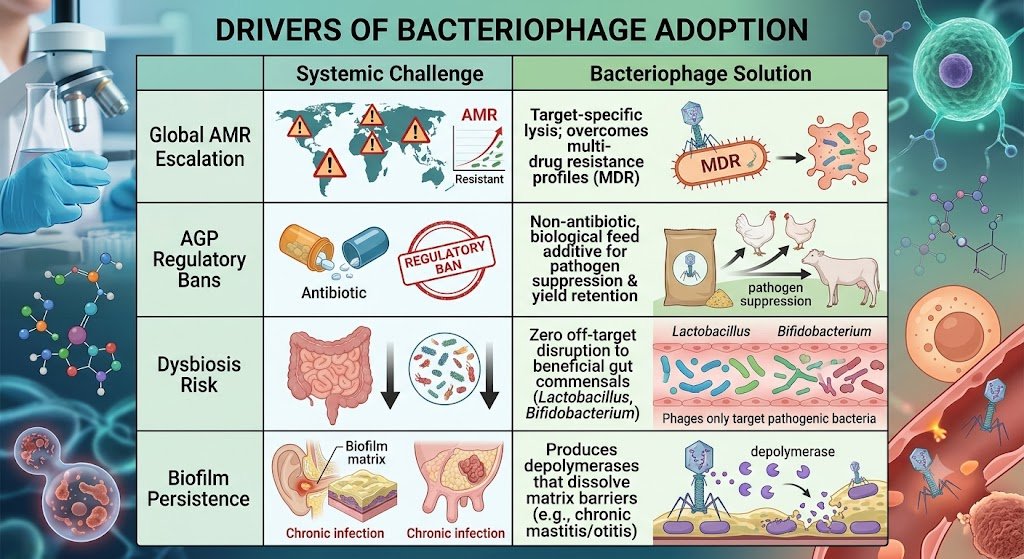
Precision Pathogen Targeted Lysis: Unlike broad-spectrum antibiotics (e.g., oxytetracycline or amoxicillin), phages target specific bacterial species or strains without disturbing gut commensal microflora.
-
Mitigation of Post-Treatment Dysbiosis: Antibiotic usage frequently causes severe dysbiosis, leading to secondary opportunistic infections (e.g., Clostridium perfringens enteritis in poultry). Phages preserve microfloral homeostasis.
-
Biofilm Matrix Degradation: Chronic veterinary infections—such as Staphylococcus aureus bovine mastitis or Pseudomonas aeruginosa canine otitis externa—form dense extracellular polymeric substance (EPS) biofilms that shield bacteria from antibiotics. Many phages express surface-bound tail-associated depolymerases that actively digest EPS matrices.
-
Zero Residue & No Withdrawal Times: Chemical antibiotics require strict withdrawal periods before milk, eggs, or meat can enter human food chains. Natural phage preparations leave no pharmacologically active chemical residues.
Why Bacteriophages Are Used in Animal Health
- Combatting Antimicrobial Resistance (AMR): Overuse of conventional antibiotics in livestock has led to dangerous multidrug-resistant “superbugs”. Phages provide a potent alternative to treat infections that no longer respond to standard drugs.
- High Target Specificity: Unlike broad-spectrum antibiotics that wipe out beneficial gut microbes, phages zero in on exact bacterial strains or species (like Salmonella, E. coli, or Campylobacter), leaving the animal’s normal microflora safe and intact.
- Reducing Antibiotic Residues in Food: Using phages in livestock and poultry production helps lower or eliminate chemical and antibiotic residues in meat, milk, and eggs.
- Biofilm Disruption: Bacteria often form stubborn, protective slime layers called biofilms on tissues or farm equipment. Phages can break through these matrices to clear chronic infections and clean processing surfaces effectively.
-
Prophylactic Disease Control: Administered via feed, water, or sprays, phages prevent pathogen colonization in large animal populations (such as poultry flocks or swine herds), lowering overall disease outbreaks and reducing economic loss
Global Market Sizing & Regional Breakdown
The global bacteriophage market across animal health, agriculture, and food safety applications demonstrates sustained multi-year growth:

-
Base Market Size (2025): USD 52.83 Million
-
Estimated Market Size (2026): USD 58.59 Million – USD 66.50 Million
-
Long-Term Projection (2032–2035): Projecting a CAGR of 16.7% in dedicated therapeutic segments, the market is forecast to reach USD 266.8 Million by 2035.
Segment & Regional Share
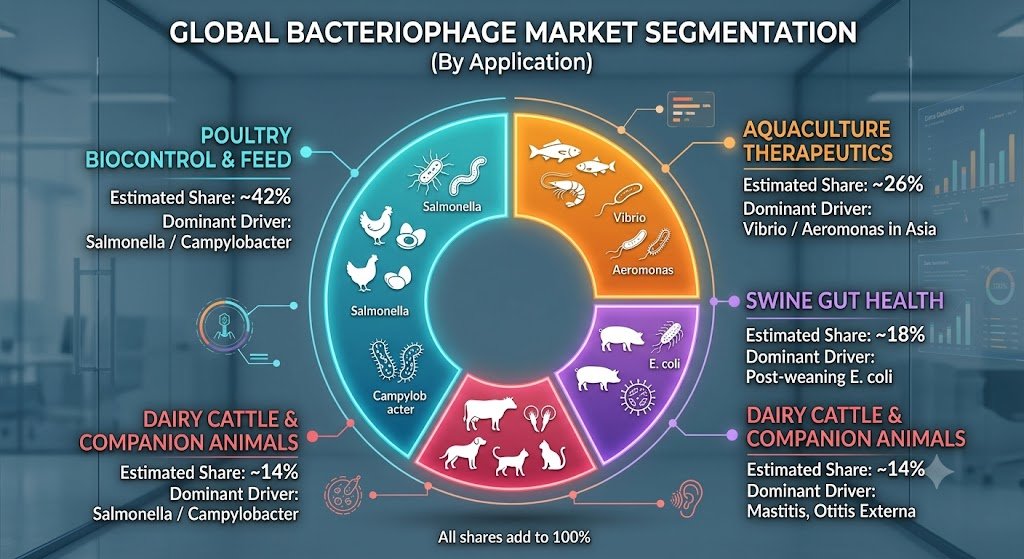
-
North America: Dominates market volume due to early FDA/USDA GRAS notices clearing phage applications in live livestock and processing facilities.
-
Asia-Pacific: High compound growth rate driven by intensive aquaculture production in China, Vietnam, and India, where antibiotic bans in shrimp and fish farming have accelerated phage commercialization.
-
Europe: Expanding therapeutic demand regulated under centralized EMA novel therapy frameworks.
Top 10 Bacteriophage Companies in Animal Health
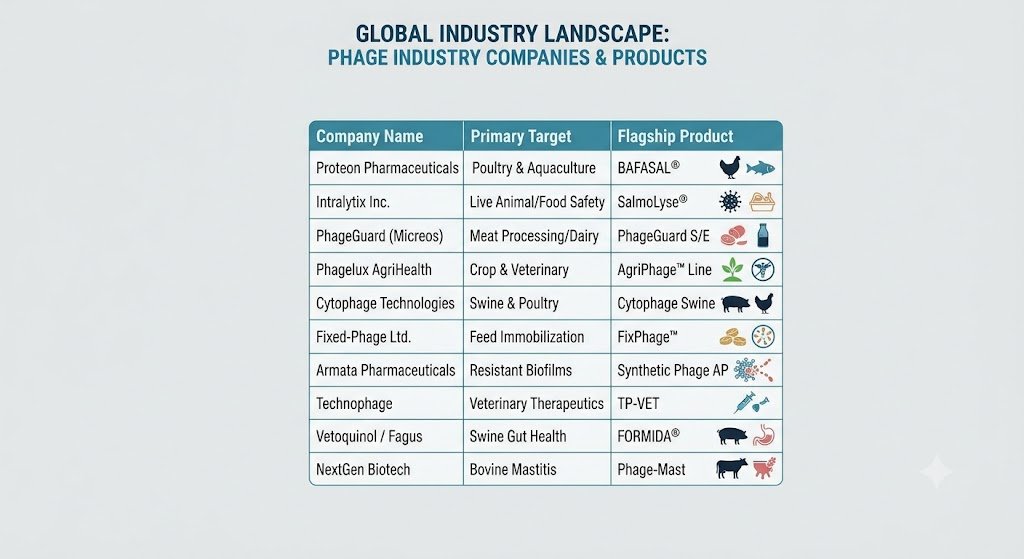
Key Profile Highlights
-
Proteon Pharmaceuticals (Poland): Developers of BAFASAL®, a liquid feed additive containing lytic bacteriophages targeting Salmonella Gallinarum and Salmonella Enteritidis in poultry flocks. Demonstrated to lower mortality and reduce feed conversion ratios (FCR).
-
Intralytix Inc. (USA): Pioneer holding multiple FDA GRAS approvals. Manufactures SalmoLyse® (targeting Salmonella) and ListShield™, widely applied in drinking water and live-animal spraying before slaughter.
-
PhageGuard / Micreos Food Safety (Netherlands): Produces PhageGuard S (Salmonella) and PhageGuard E (E. coli O157:H7), utilized as processing aids and carcass surface disinfectants in cattle and poultry operations.
-
Phagelux AgriHealth (China/USA): Operates dedicated manufacturing facilities focusing on swine respiratory pathogens and biological crop protection.
-
Cytophage Technologies (Canada): Specializes in synthetic biology, engineering phages designed to resist thermal degradation during feed pelleting processes.
-
Fixed-Phage Ltd. (UK): Features proprietary chemical immobilization technology that binds bacteriophages onto dry feed pellets, water pipes, and wound dressings while preserving biological activity.
-
Technophage (Portugal): Develops biological veterinary pharmaceuticals, including lytic formulations targeting Pseudomonas and Staphylococcus skin and ear infections in companion animals.
-
Vetoquinol / Fagus Pharma (Europe): Produces feed-integrated phage solutions including FORMIDA®, focused on suppressing post-weaning enterotoxigenic E. coli in piglets.
-
Armata Pharmaceuticals (USA): Advances high-potency synthetic phage candidates targeting multi-drug resistant bio-burden in companion animal dermatological conditions.
-
NextGen Biotech (India/Global): Develops intramammary phage infusions specifically formulated to clear chronic, antibiotic-resistant Staphylococcus aureus mastitis in dairy herds.
Regulatory Frameworks & Current Approvals
The regulatory classification of bacteriophages varies globally, acting as both a market pathway and an operational hurdle.
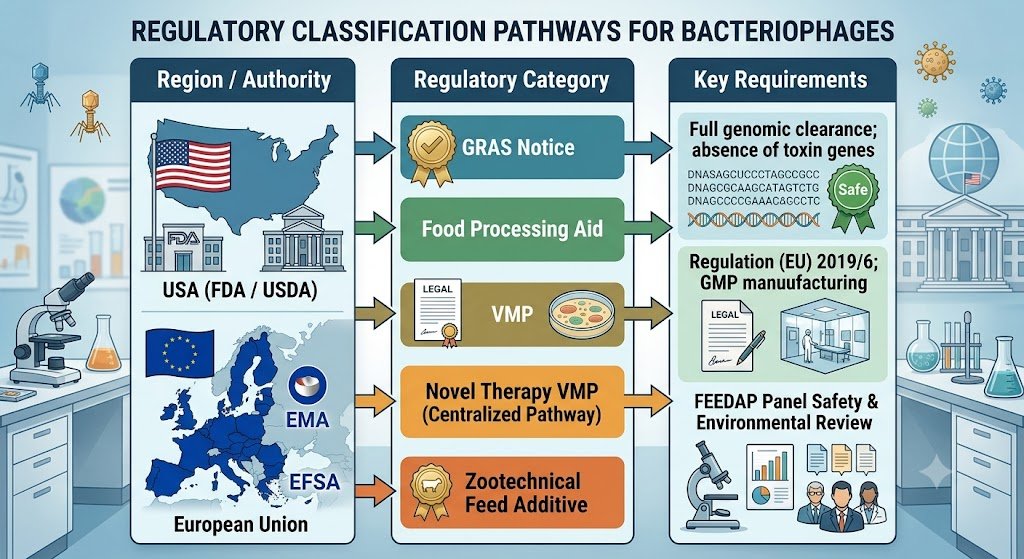
Key Regional Regulatory Standards
-
United States (FDA & USDA): The US maintains a flexible regulatory approach. Phage formulations intended for environmental or carcass disinfection are classified as Processing Aids or GRAS (Generally Recognized as Safe) substances. Phage candidates administered orally via drinking water for therapeutic disease treatment fall under FDA Center for Veterinary Medicine (CVM) approval pathways.
-
European Union (EMA & EFSA): Under Regulation (EU) 2019/6, industrialized therapeutic phages in veterinary medicine are classified as Novel Therapy Veterinary Medicinal Products (VMPs), requiring centralized approval supervised by the European Medicines Agency (EMA) and manufacturing under Good Manufacturing Practice (GMP) standards. Phages incorporated into animal diets for growth support or pathogen suppression are evaluated by the EFSA Panel on Additives and Products or Substances used in Animal Feed (FEEDAP).
Clinical & Published Studies on Efficacy
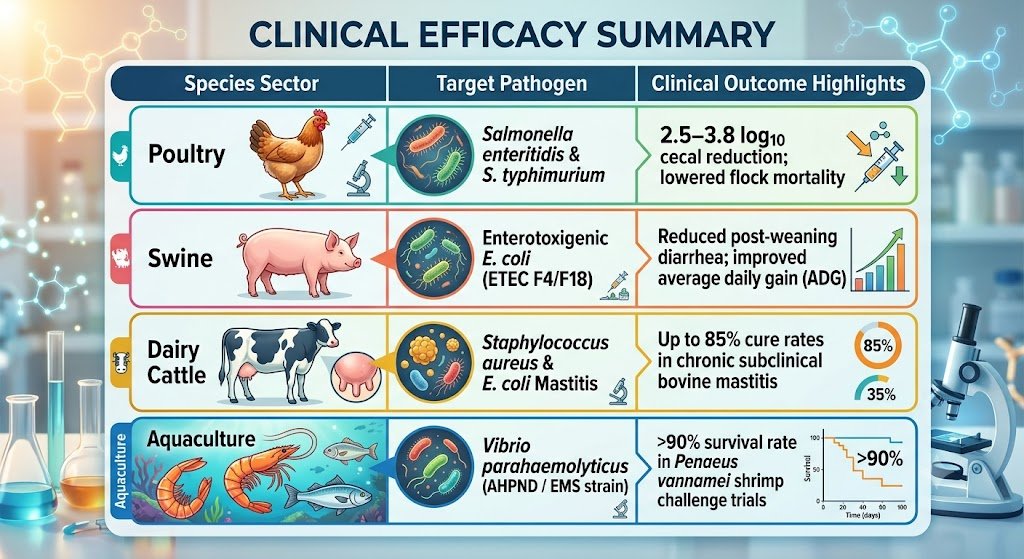
Sector Breakdown
-
Poultry (Salmonella & Campylobacter Control): Clinical trials investigating oral administration of phage cocktails via drinking water demonstrated a 2.5 to 3.8 log10 CFU/g reduction in cecal Salmonella colonization within 48 hours post-administration. Birds treated with phage preparations showed preserved intestinal villus height and lower FCR compared to untreated control groups.
-
Swine (Post-Weaning Diarrhea): Trials targeting enterotoxigenic E. coli (ETEC strains F4 and F18) in post-weaning piglets confirmed that encapsulated oral phage cocktails significantly reduced fecal scours, decreased shedding of shedding E. coli, and restored average daily gain (ADG) to levels comparable to dietary zinc oxide (3000 ppm) administration.
-
Dairy (Subclinical Mastitis): Intramammary infusion studies targeting multi-drug resistant Staphylococcus aureus showed that specialized lytic phage cocktails combined with phage endolysins achieved clinical cure rates between 72% and 85% in lactating cows, without requiring milk discard periods during or after treatment.
-
Aquaculture (Early Mortality Syndrome): In Pacific white shrimp (Penaeus vannamei), bath immersion of lytic phages targeting Vibrio parahaemolyticus (the causative agent of Acute Hepatopancreatic Necrosis Disease) reduced juvenile mortality from 85% in control tanks to under 10% in treated groups.
Next-Generation Innovations & Future Outlook
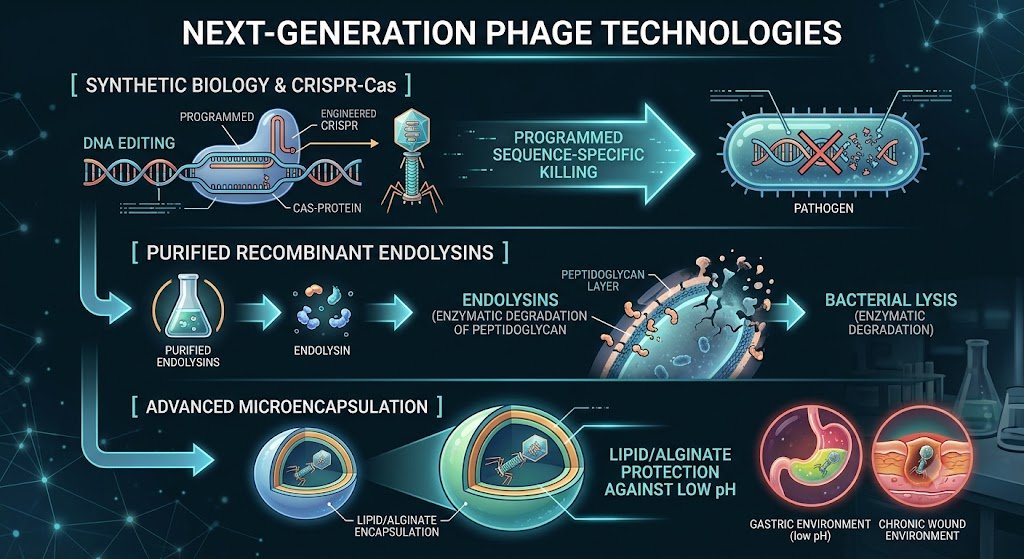
While wild-type lytic phages offer clear therapeutic utility, next-generation bioengineering is addressing historic operational limitations:
-
CRISPR-Engineered Phages: Researchers are utilizing CRISPR-Cas system payloads (such as Cas9 or Cas13) packaged inside phages. Upon injection into target bacteria, the engineered CRISPR array cuts essential chromosomal sequences or antibiotic resistance plasmids, ensuring bacterial destruction and reversing resistance traits.
-
Recombinant Phage Endolysins & Tailocins: Rather than using whole intact virions, bio-pharmaceutical firms are isolating and expressing recombinant endolysins and tailocins (bacteriocin-like protein structures). These proteins act as external target-specific cell wall degraders, offering rapid bacterial clearance, predictable dosing kinetics, and a simplified regulatory approval path.
-
Advanced Gastric Microencapsulation: To protect orally administered phages from low stomach pH (e.g., proventriculus in poultry or abomasum in ruminants), companies are utilizing alginate-chitosan, liposomal, and polymer microencapsulation techniques to ensure targeted release in the small intestine.
-
AI-Driven Phage-Host Matching: Machine-learning platforms are accelerating the discovery pipeline by predicting phage-host receptor interactions from genomic sequences, allowing rapid formulation of custom, local phage cocktails to combat emerging field strains.

