

HomeCompanion AnimalsRussia Suspends Certain Multikan Dog Vaccine Batches After Adverse-Event Reports

Russia Suspends Certain Multikan Dog Vaccine Batches After Adverse-Event Reports

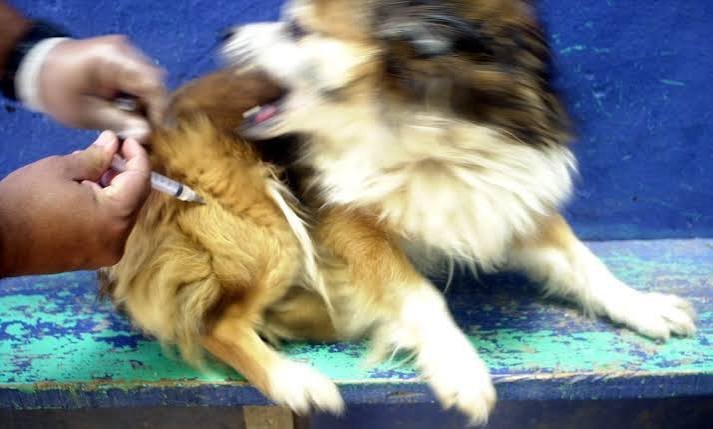
Russian veterinary authorities have taken regulatory action involving Multikan canine vaccines following reports of severe post-vaccination reactions and deaths in dogs. The investigation centres particularly on Multikan-8, manufactured by Vetbiokhim, with authorities suspending circulation of specified batches while the reported events are investigated.
Russia Suspends Certain Multikan Dog Vaccine Batches After Adverse-Event Reports

The most prominent case involves Multikan-8 Batch No. 20, which was withdrawn after reports from several Russian regions. Approximately 60,000 doses of the batch were reportedly removed from circulation. Russian authorities have also initiated an inspection involving the manufacturer.

Adverse events under investigation

Dog owners and veterinarians have reported serious clinical signs occurring within several days of vaccination, including fever, vomiting, diarrhoea, seizures, weakness and neurological abnormalities. Reports have emerged from Yaroslavl and other regions, including Saratov, Kaliningrad, Leningrad, Moscow and Tyumen.

Importantly, reported temporal association does not establish causation. Vetbiokhim has stated that vaccination alone is insufficient to demonstrate that the vaccine caused the deaths and that additional investigation and testing are required.

Regulatory and industry significance

The episode highlights the importance of veterinary pharmacovigilance, batch traceability and independent quality investigation when clusters of suspected adverse events emerge. The investigation will need to distinguish among potential explanations, including:

  • vaccine-product quality;

  • manufacturing or contamination issues;

  • cold-chain or storage failures;

  • administration-related factors;

  • concurrent disease;

  • and unrelated causes occurring after vaccination.

The National Veterinary Chamber has reportedly questioned whether storage conditions alone explain the reported reactions, reinforcing the need for evidence-based investigation rather than premature attribution.

AHI view

For the Russian companion-animal market, the Multikan episode could increase attention on vaccine-batch surveillance, adverse-event reporting and quality-control transparency. It also demonstrates why pharmacovigilance systems need rapid mechanisms to identify geographically clustered events and connect them to specific manufacturing lots.

The reported number of affected animals remains uncertain. Independent reporting has cited substantially different estimates, while authorities have indicated that formal complaints were initially limited. Consequently, reported deaths should not be presented as confirmed vaccine-caused fatalities until the regulatory investigation establishes causality.

Animal Health India Editorial Team
Animal Health India Editorial Teamhttps://animalhealthindia.com
Animal Health India (AHI) is an independent news and intelligence platform covering the global animal health, veterinary, livestock, poultry, companion animal and pet food sectors. Our editorial team comprises veterinary journalists, animal health professionals, regulatory affairs specialists and industry analysts with over 30 years of combined experience covering India, Asia, Europe and North America. AHI publishes news, regulatory updates, market intelligence and company news drawn from primary sources including DAHD, EMA, USDA, AVMA and leading veterinary publications worldwide.
RELATED ARTICLES