


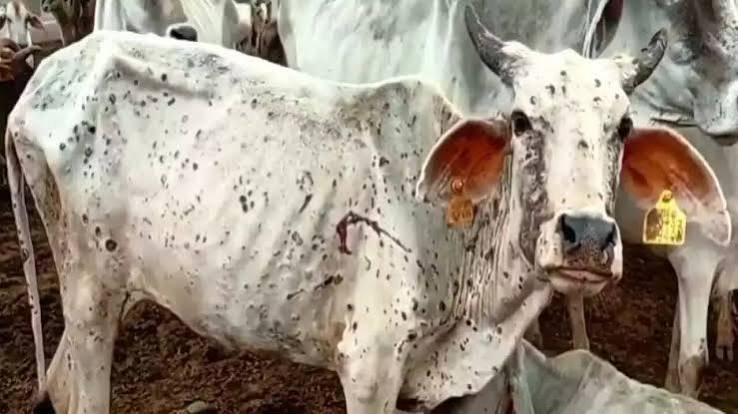
Fresh reports of Lumpy Skin Disease (LSD) in cattle and buffaloes in parts of Uttar Pradesh and Uttarakhand are prompting intensified veterinary surveillance, treatment and vector-control measures.
In Shamli district, Uttar Pradesh, local reports from Jalalabad indicate that more than five cattle have died, with veterinary teams deployed to investigate the situation, support affected farmers and issue containment advisories.
In Pauri, Uttarakhand, authorities have reported 39 LSD cases in cattle and buffaloes, with eight animals reportedly recovered. Around 100 veterinary teams are conducting village-level surveillance, treatment and farmer awareness activities, including advice on controlling mosquitoes, flies and other potential vectors.
Why LSD matters to Indian dairy farmers
Lumpy Skin Disease is caused by LSD virus, a Capripoxvirus, and primarily affects cattle and water buffalo. The disease is transmitted mainly through blood-feeding arthropods, including mosquitoes, biting flies and ticks.
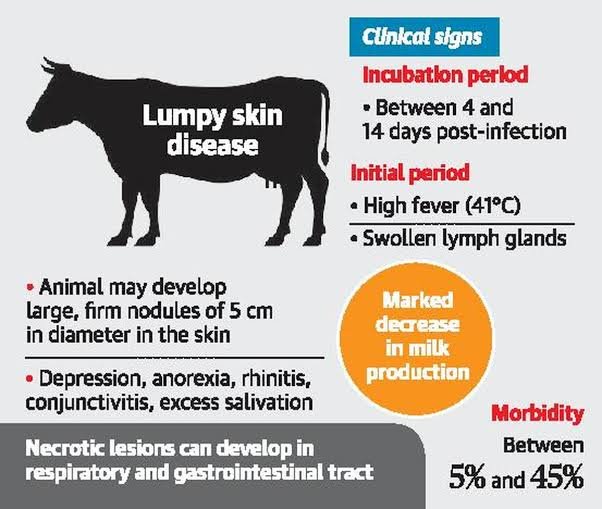
Clinical disease can include fever, characteristic skin nodules, enlarged lymph nodes, oedema, weight loss and reduced milk production. Fertility can also be affected, while deaths can occur in severe cases. WOAH classifies LSD as an economically important livestock disease but not a human-health threat.
India’s Department of Animal Husbandry and Dairying estimates typical LSD morbidity at around 10–20% and mortality at approximately 1–5%, although outcomes vary substantially with herd immunity, animal condition, secondary infections and local epidemiology.
Surveillance remains critical
The developments in UP and Uttarakhand underline the importance of early case detection, vaccination, vector management, movement controls and rapid veterinary intervention.
India’s national animal-disease surveillance architecture is designed to identify disease location and prevalence, support outbreak response and guide disease-control programmes.
Uttarakhand’s veterinary authorities are also supported by the national ICAR-NIVEDI disease-surveillance network, while the central LHDCP framework emphasises vaccination, surveillance and stronger veterinary outreach.
AHI View
The immediate concern is not simply animal mortality. For India’s dairy economy, LSD can impose a wider productivity cost through reduced milk yield, weight loss, reproductive problems, treatment expenses and disruption of cattle movement.
The emergence of fresh clusters therefore reinforces the value of a three-layer response: vaccination + vector control + village-level surveillance.
Farmers should report suspicious animals promptly to local veterinary authorities rather than attempting to diagnose or treat LSD solely on the basis of skin lesions.
Key data
Indicator |
Current report |
|---|---|
Shamli, UP |
>5 reported cattle deaths |
Pauri, Uttarakhand |
39 reported LSD cases |
Pauri recoveries |
8 animals |
Veterinary response |
~100 teams |
Typical LSD morbidity in India |
10–20% |
Typical mortality |
1–5% |
Main transmission |
Blood-feeding arthropods |
Human health risk |
No established zoonotic risk |

