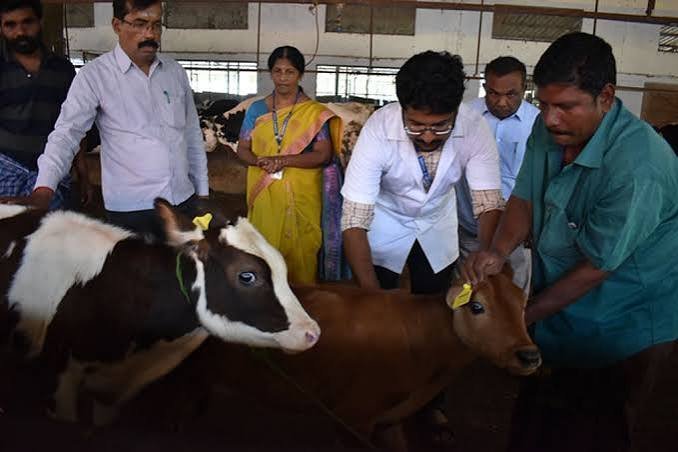


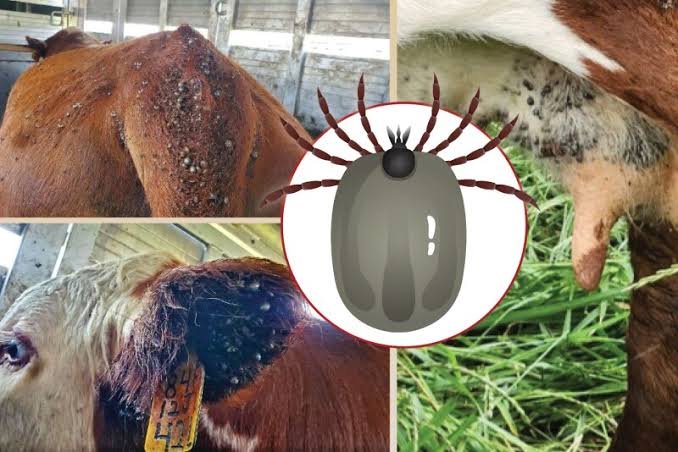
West Godavari’s livestock department is intensifying free vaccination against bovine theileriosis among crossbred cattle, with district-level reports indicating 2,000 vaccine doses deployed for a target population of around 5,000 cattle and approximately 90% vaccination coverage already achieved. The campaign comes as the district seeks to protect productive dairy animals from a tick-borne disease associated with anaemia, illness, mortality and loss of milk production.
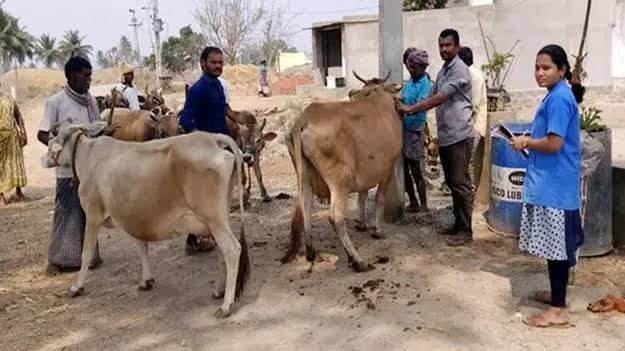
West Godavari Steps Up Cattle Health Protection
The vaccination drive is focused particularly on crossbred cows, which form an important part of India’s commercial dairy population and can be vulnerable to tropical theileriosis.
West Godavari has a substantial livestock base and an established veterinary network. District administration data list 25,143 crossbred cows in the 2019 livestock census, alongside 178,137 black cattle, 45,539 white cattle and more than 126,000 buffaloes. The district operates veterinary hospitals, dispensaries, rural livestock units, Gopala Mithra centres, disease-diagnostic laboratories and mobile veterinary clinics.
The current campaign’s reported 5,000-cattle target therefore represents a targeted intervention rather than vaccination of the district’s entire cattle population.
Vaccination at a glance
Indicator |
Reported position |
|---|---|
Location |
West Godavari, Andhra Pradesh |
Main target |
Crossbred cows |
Vaccine |
Theileria vaccine |
Doses reported |
2,000 |
Target cattle |
~5,000 |
Reported coverage |
~90% |
Cost to farmers |
Free |
Disease |
Bovine theileriosis |
Main transmission route |
Ticks |
Why Theileriosis Matters to Dairy Farmers
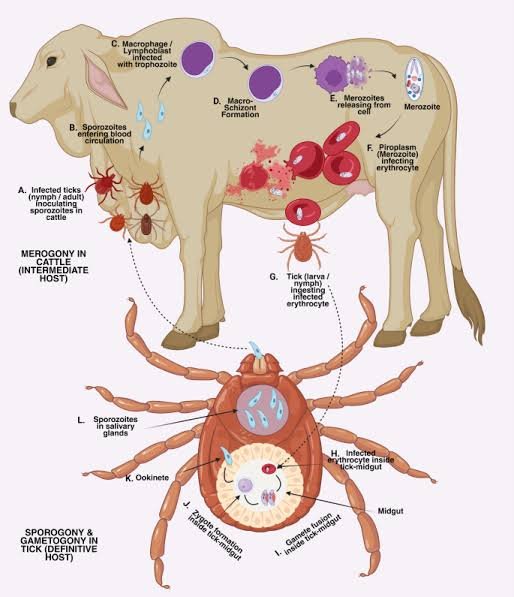
Bovine theileriosis is caused by Theileria parasites and is transmitted by ticks. Tropical theileriosis caused by Theileria annulata is particularly important in cattle in India. The disease can cause fever, enlarged lymph nodes, anaemia, weakness and reduced productivity. Severe infections can become fatal, particularly in susceptible animals.
A 2026 study published in the Indian Journal of Animal Research found T. annulata in 26.5% of 200 cattle examined using blood-smear microscopy in its study population. The infected animals showed significant changes in haemoglobin, platelet and red-cell parameters, illustrating the potential systemic effects of the parasite.
Earlier Indian research has also demonstrated the potential value of vaccination. In a field-challenge study of crossbred calves, vaccinated animals showed substantially greater resistance to tropical theileriosis than unvaccinated controls. None of the vaccinated calves developed clinical disease, compared with three clinical cases among 13 unvaccinated animals.
The Crossbred-Cattle Factor
The focus on crossbred cattle is commercially significant. Crossbreeding has helped increase dairy productivity in India, but high-producing animals can carry greater economic exposure when disease reduces milk yield, fertility or productive life.
For a dairy farmer, preventing theileriosis is therefore not simply about avoiding mortality. Disease control can protect:
-
milk production;
-
body condition;
-
reproductive performance;
-
veterinary-treatment costs;
-
replacement-animal economics; and
-
overall herd productivity.
This makes vaccination and tick control complementary components of dairy-health management.