HomePoultryNepal Issues Fresh H5N1 Bird Flu Update as Poultry Surveillance Continues

Nepal Issues Fresh H5N1 Bird Flu Update as Poultry Surveillance Continues

Nepal’s Department of Livestock Services (DLS) has issued a fresh bird-flu disease update, accompanied by updated H5N1 outbreak information generated through its rapid-response and national animal-health information systems.

The September 28 update comes as Nepal continues to maintain surveillance and response infrastructure for avian influenza, one of the country’s most economically important poultry-health threats.

nepal-h5n1-bird-flu-update-poultry-surveillance-2026

Surveillance Infrastructure

Nepal’s response framework combines:

  • Rapid Response Teams

  • National Animal Health Information System

  • Field investigations

  • Laboratory diagnosis

  • Movement controls

  • Poultry-farm surveillance

  • Outbreak reporting

The combination is important because H5N1 control depends heavily on detecting outbreaks quickly and preventing infected birds, equipment and people from becoming sources of further transmission.

Why Nepal Matters

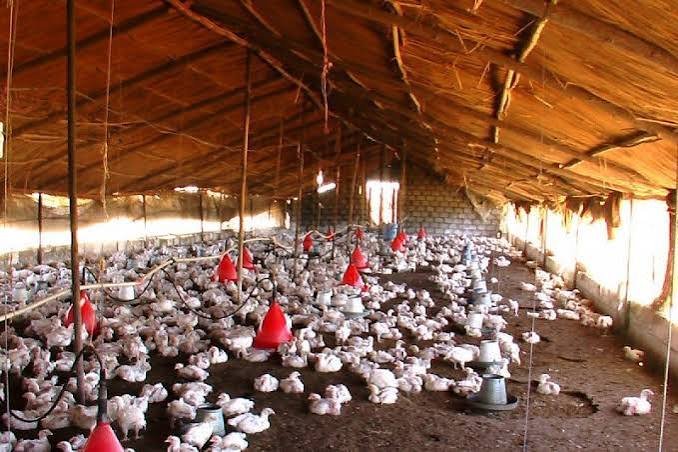
Nepal’s poultry sector contains both commercial and smaller-scale production systems, creating a complex biosecurity environment. Bird movement between farms, markets and households can increase opportunities for virus transmission.

Consequently, the country’s surveillance architecture is becoming an increasingly important component of poultry-sector resilience.

Industry Implications

Continued H5N1 surveillance supports demand for:

Molecular diagnostics | Laboratory services | Biosecurity | Disinfection | Farm surveillance | PPE | Data systems

For vaccine manufacturers, avian influenza remains a technically and commercially complex market because vaccination strategies must also be considered alongside surveillance, trade requirements and differentiation between infected and vaccinated animals where applicable.

Strategic / Analyst View

Nepal is representative of a broader South Asian trend toward digitally enabled veterinary disease intelligence. The important evolution is from:

Outbreak → Investigation

toward: Continuous Surveillance → Early Signal → Rapid Investigation → Containment

For animal-health companies, this creates opportunities for integrated platforms combining field sampling, rapid testing and centralised disease reporting.

Animal Health India Editorial Team
Animal Health India Editorial Teamhttps://animalhealthindia.com
Animal Health India (AHI) is an independent news and intelligence platform covering the global animal health, veterinary, livestock, poultry, companion animal and pet food sectors. Our editorial team comprises veterinary journalists, animal health professionals, regulatory affairs specialists and industry analysts with over 30 years of combined experience covering India, Asia, Europe and North America. AHI publishes news, regulatory updates, market intelligence and company news drawn from primary sources including DAHD, EMA, USDA, AVMA and leading veterinary publications worldwide.

RELATED ARTICLES