

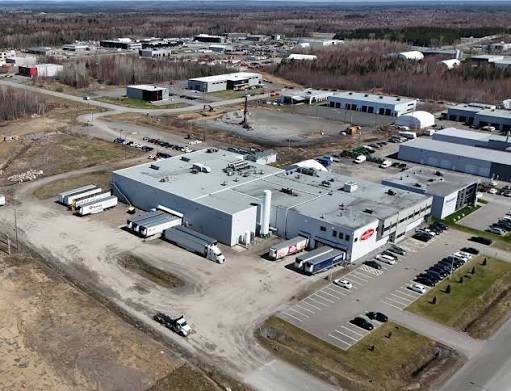
Canadian pork and poultry processor Olymel has inaugurated a C$142 million modernised integrated facility in Trois-Rivières, Quebec, completing one of the largest capital-modernisation projects in the company’s history.
The upgraded facility now has annual production capacity of approximately 50 million kilograms, more than four times its previous capacity. The project expands the site from approximately 51,700 sq ft to 137,200 sq ft and consolidates pork and poultry processing, slicing and packaging activities under one roof.
From Processing Plant to Integrated Production Platform
The expanded facility will manufacture a substantial proportion of Olymel’s deli-meat products sold across Canada, including La Fernandière sausages and hams.
The investment is designed to improve production efficiency by consolidating multiple processing activities at one location rather than relying on more fragmented production flows.
The plant’s annual capacity of 50 million kg represents more than a fourfold increase compared with its previous production capacity.
Why It Matters for Animal Health
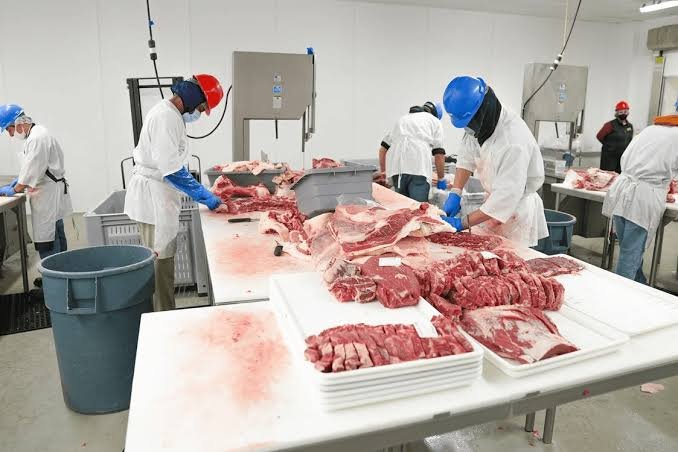
Although the investment is primarily a food-processing and manufacturing project, it has implications for the broader animal-health value chain. Higher-throughput integrated processing systems place greater importance on:
-
Herd and flock health
-
Biosecurity
-
Disease surveillance
-
Veterinary oversight
-
Food-safety controls
-
Traceability
-
Antimicrobial stewardship
-
Reliable livestock supply
For pork producers in particular, improved processing capacity can increase the strategic importance of consistent herd health and production efficiency, since disease events can affect animal availability, growth performance, mortality, medication costs and ultimately processing utilisation.
Strategic / Analyst View
The Olymel investment illustrates an important feature of modern animal-protein markets: processing infrastructure and animal health are economically interconnected.
Investment in downstream processing can create pressure for upstream producers to improve consistency, health status and productivity. At the same time, stronger processing infrastructure can support more predictable demand for livestock and poultry.
For animal-health companies, the implication extends beyond conventional pharmaceutical sales. Large integrated protein chains can increasingly become potential customers for:
-
Preventive-health programmes
-
Diagnostics
-
Biosecurity systems
-
Vaccination programmes
-
Feed additives
-
Gut-health solutions
-
Data-driven herd monitoring
-
Traceability technologies

