


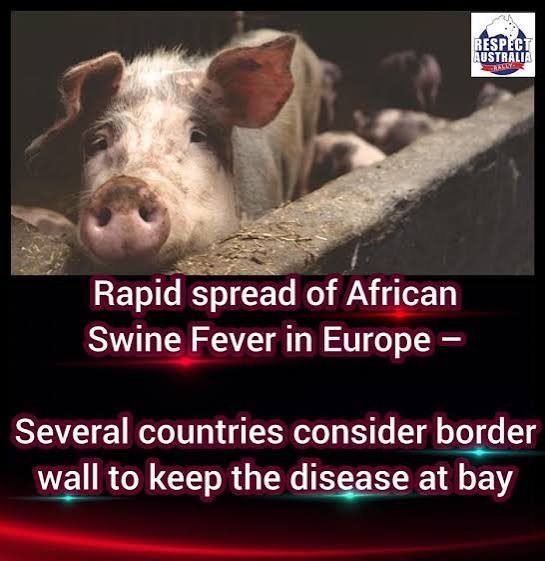
Poland’s ASF reporting underscores the continuing challenge of controlling the disease in Europe
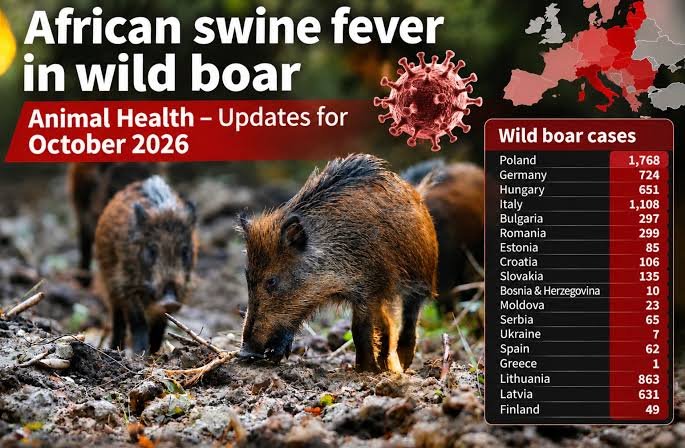
Poland remains an important country to monitor in the European African swine fever (ASF) landscape. Surveillance records dated 30 October 2026 include multiple wild-boar and domestic-pig entries, demonstrating the continuing scale and complexity of ASF reporting.
Among the wild-boar records, the dataset includes entries covering 481 outbreaks and 958 cases, 349 outbreaks and 610 cases, and 93 outbreaks and 147 cases. Other wild-boar entries are also recorded.
Domestic-pig reporting includes a substantial entry of 9 outbreaks and 38,379 cases, another of 4 outbreaks and 4,478 cases, and several smaller records.
These figures are reported event totals from the source dataset. They should not be interpreted as the number of animals newly infected on 30 October, nor should separate entries be added without checking whether they relate to overlapping reporting periods or events.
Reported ASF entries in Poland
Host category |
Reported outbreaks |
Reported cases |
|---|---|---|
Wild boar |
481 |
958 |
Wild boar |
349 |
610 |
Wild boar |
93 |
147 |
Domestic pigs |
9 |
38,379 |
Domestic pigs |
4 |
4,478 |
Other domestic-pig entries |
Multiple |
Varying totals |
The coexistence of wildlife and domestic-pig reporting is significant because ASF control requires action beyond the boundaries of individual commercial farms.
Why wild boar remain central to ASF control
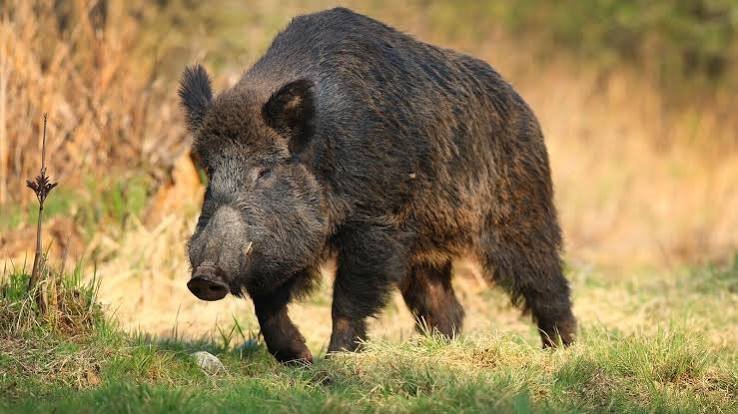
Wild boar can maintain and disseminate ASF virus within affected landscapes. Carcasses, contaminated environments, human activities and movements of potentially contaminated materials can contribute to transmission risk.
The disease is particularly difficult to eradicate where infected wild-boar populations interact with agricultural areas and commercial pig production.
Effective control therefore requires a coordinated approach involving wildlife surveillance, carcass management, farm biosecurity and restrictions imposed by competent authorities.
Implications for pig producers
Commercial pig farms should review their biosecurity programmes, particularly:
-
Perimeter security and fencing.
-
Controlled access for staff, visitors and contractors.
-
Vehicle disinfection and transport hygiene.
-
Feed-storage protection and pest control.
-
Safe disposal of dead animals and potentially contaminated materials.
-
Staff awareness and prompt reporting of suspicious mortality.
Pig movements, slaughterhouse logistics and the sourcing of replacement breeding stock also require close attention in affected regions.
Implications for the animal-health industry
ASF continues to create demand for farm biosecurity services, disinfectants, diagnostic testing, surveillance technologies and veterinary risk-management programmes.
The commercial opportunity is not limited to vaccines. In countries where ASF vaccination is not authorised or available, prevention and early detection remain fundamental components of disease management.
For feed companies, integrators and meat processors, the disease represents a potential supply-chain risk. Large-scale outbreaks can disrupt production schedules, alter regional sourcing patterns and increase uncertainty in pork procurement.
Outlook
Poland’s latest surveillance records reinforce the importance of sustained wildlife and farm-level disease control. The most meaningful indicators for the industry will be changes in domestic-pig reporting, geographical expansion, movement restrictions and official veterinary-control measures.

