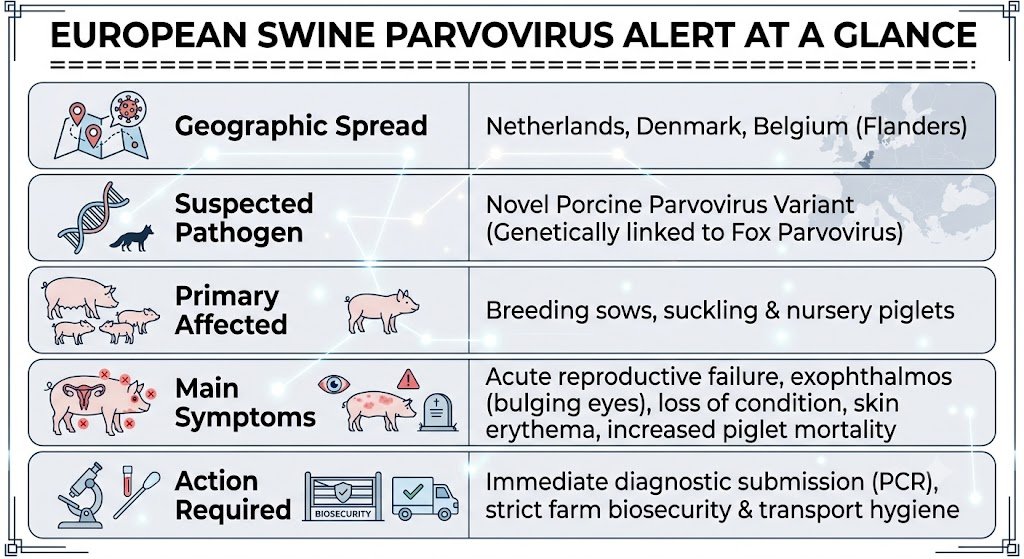


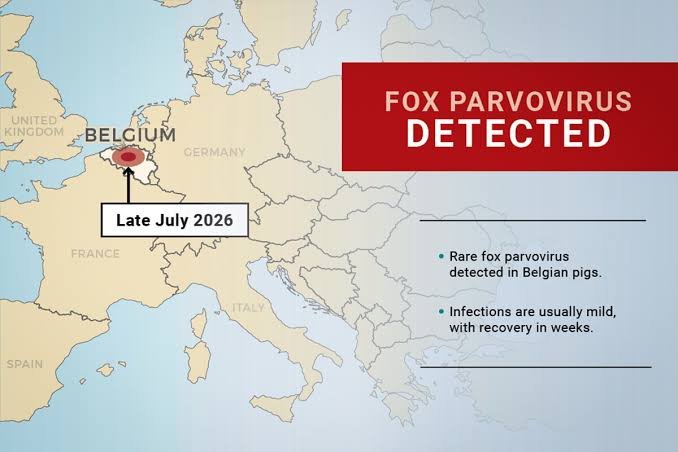
BRUSSELS, Belgium — Veterinary authorities across Western Europe have issued urgent alerts to swine practitioners following confirmed reports of a novel, unidentified porcine parvovirus (PV) variant spreading across commercial herds. First identified in the Netherlands and recently detected across breeding farms in Denmark and Belgium, the emerging strain presents distinct clinical challenges that threaten herd productivity.
The alert emphasizes heightened biosecurity, immediate diagnostic submissions, and close monitoring of breeding and nursery units to contain further cross-border transmission.
Clinical Presentation & Herd Impact
Field reports from veterinary diagnostic centers indicate that the new variant is associated with severe reproductive and systemic pathology.
-
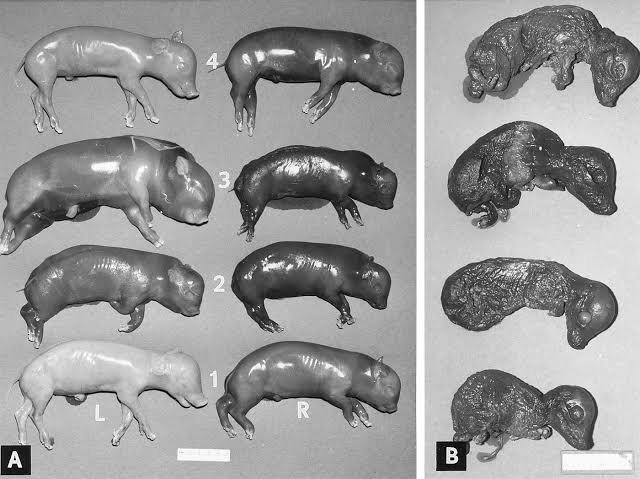
Sow Herds: Outbreaks are characterized by acute reproductive failure, including elevated rates of mummified fetuses, stillbirths, and irregular return-to-estrus cycles in pregnant sows.
-
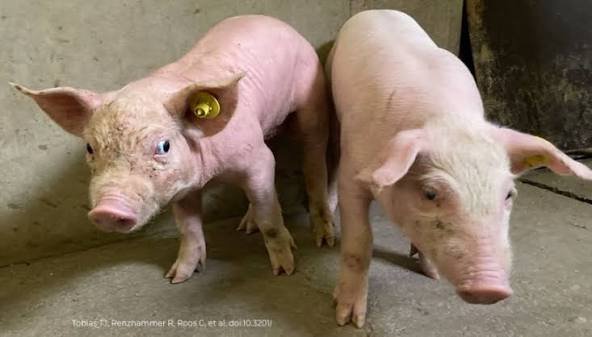
Piglets & Weaners: Infected litters display unusual clinical signs, including exophthalmos (bulging eyes), skin erythema, hair loss, wasting, and increased pre-weaning and post-weaning mortality rates.
Diagnostic & Biosecurity Protocol
Traditional parvovirus vaccines (targeting classic PPV1) may offer insufficient cross-protection against this emerging variant, according to preliminary genomic analyses. Authorities urge producers to implement immediate control measures:
-
Diagnostic Submissions: Submit tissue samples (spleen, liver, fetal tissue) and oral fluids from suspected herds for full-genome sequencing and PCR differential testing.
-
Strict Movement Controls: Quarantine affected herds and restrict the movement of breeding stock, piglets, and slurry equipment to prevent regional dissemination.
-
Vehicle & Entry Hygiene: Intensify disinfection protocols for all livestock transportation trucks, feed deliveries, and farm personnel entering swine facilities.