



Thailand | Poultry | Layers | Climate Risk
Thailand’s egg supply remains broadly stable despite flooding affecting parts of the country’s poultry-producing regions.
The country’s layer sector produces approximately 42–43 million eggs per day, providing sufficient national supply under current conditions. The immediate challenge is reportedly more closely associated with transportation and logistics than with a national production shortage.
However, flooding creates a range of secondary risks for poultry producers.
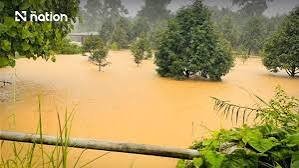
Water damage can disrupt housing, feed storage, electricity, transportation and farm access. Standing water can also increase exposure to pathogens and create additional pressure from rodents and other disease vectors.
These risks are particularly relevant to intensive poultry systems, where even short disruptions can affect feed and water availability, environmental control and flock performance.
The Thai experience illustrates why climate resilience is becoming increasingly important to animal-health management. Poultry companies are likely to require greater emphasis on:
-
emergency biosecurity;
-
water sanitation;
-
feed protection;
-
rodent control;
-
disease surveillance;
-
contingency logistics.
The immediate situation does not indicate a national egg shortage, but prolonged flooding could alter production economics if affected farms experience persistent damage.
Animal-health industry takeaway
Climate events increasingly act as indirect animal-health risks. The opportunity is shifting toward integrated farm resilience rather than disease control alone.

