


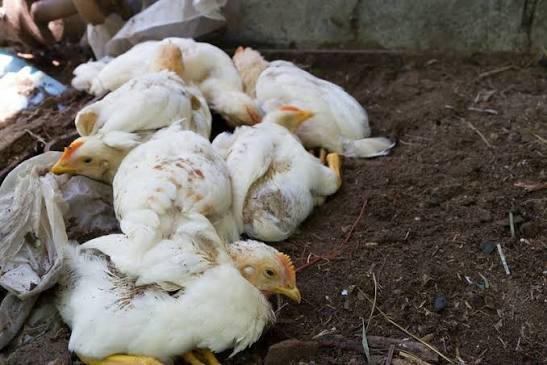
DEFRA confirms highly pathogenic avian influenza near Driffield, East Riding of Yorkshire, establishing a 3-km protection zone and 10-km surveillance zone as poultry are ordered to be culled.
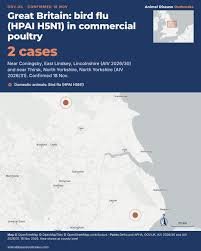
The United Kingdom has confirmed another outbreak of highly pathogenic avian influenza (HPAI) H5N1 at a commercial poultry premises near Driffield in East Riding of Yorkshire. The Department for Environment, Food and Rural Affairs (DEFRA) and the Animal and Plant Health Agency (APHA) confirmed the detection on 20 November 2026.
Following confirmation, authorities established a 3-km protection zone and a 10-km surveillance zone around the affected premises. All poultry at the infected establishment are to be humanely culled in accordance with disease-control requirements. The case has been designated AIV2026/32.
Immediate disease-control measures
The establishment of protection and surveillance zones is a standard component of the UK’s response to confirmed highly pathogenic avian influenza outbreaks. Within these designated areas, poultry keepers and relevant businesses must comply with applicable movement restrictions and biosecurity requirements. These measures can include:
-
Restrictions on poultry movements
-
Controls on the movement of eggs and poultry products
-
Increased surveillance and testing
-
Requirements for enhanced cleaning and disinfection
-
Restrictions on the movement of equipment, materials and other potentially contaminated items
-
Compliance with licensing requirements where applicable
The precise restrictions depend on the premises, zone and applicable government declarations.
Why commercial poultry outbreaks matter
H5N1 remains a major threat to poultry production because of its potential to spread rapidly within susceptible bird populations. An outbreak at a commercial premises can have implications extending well beyond the affected farm. The wider production chain may experience disruption involving:
-
Broiler and layer operations
-
Breeder farms
-
Hatcheries
-
Poultry transport
-
Egg collection and distribution
-
Feed deliveries
-
Veterinary services
-
Poultry processing
For poultry integrators, the economic impact includes not only mortality and culling but also the potential loss of production capacity and disruption to supply planning.
Biosecurity remains the first line of defence
The latest detection reinforces the importance of strict farm-level biosecurity. Poultry producers should maintain:
-
Controlled access to poultry houses
-
Appropriate disinfection of footwear, vehicles and equipment
-
Separation of domestic poultry from wild birds
-
Secure feed and water storage
-
Monitoring of mortality and unusual clinical signs
-
Prompt reporting of suspected disease
-
Effective pest and wild-bird exclusion measures

