


Pakistan | Livestock | Beef | Meat Exports | Animal Health | Gulf Markets
Pakistan is moving to reorganise its livestock sector around export-oriented production, specialised farms, higher-yield genetics, disease control and digital traceability, as Islamabad seeks to increase meat exports to Gulf markets.
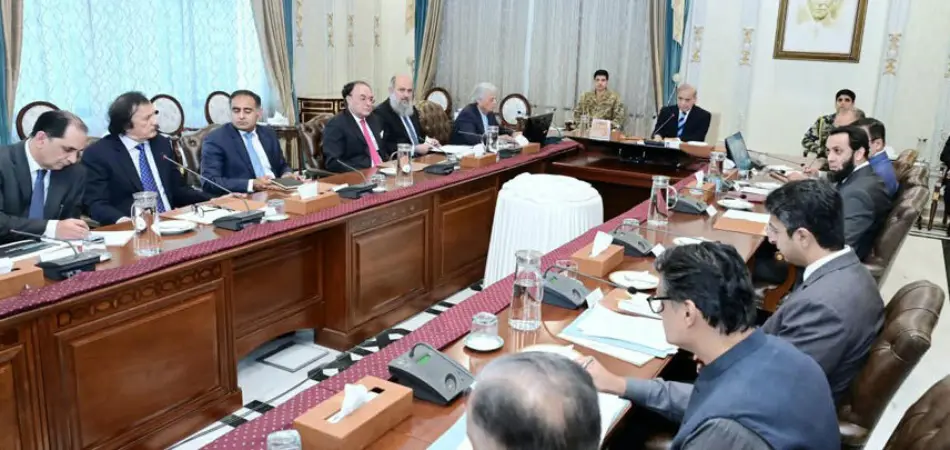
Prime Minister Shehbaz Sharif has approved plans for specially designated livestock farms that will be permitted to import high-yield animals duty-free for re-export-oriented production. The government is also calling for improved disease surveillance, vaccination monitoring, disease-free zones and international certification of slaughterhouses.
A large livestock base with relatively modest exports
Pakistan has approximately 245 million livestock animals, according to government figures cited in the latest announcement.
Livestock contributes nearly 15% of GDP and more than 60% of agricultural value added, while approximately 8 million rural households depend on the sector. Despite that scale, Pakistan’s international meat trade remains relatively small.
For FY2025–26, Pakistan exported approximately 114,046 tonnes of meat and meat preparations worth US$530.25 million. The previous year saw exports of approximately 114,157 tonnes valued at US$495.11 million.
That means export volume was almost unchanged, while export value increased by roughly 7%. The data suggest that improving product value, market access and quality could be as important as simply increasing animal numbers.
Gulf markets remain the immediate opportunity
The Gulf is Pakistan’s most important overseas market for meat, with Saudi Arabia, the UAE, Kuwait and Qatar among the principal buyers.
Saudi Arabia alone imports approximately 30,000 tonnes of Pakistani red meat annually, valued at around US$167 million, according to figures cited in the latest government discussions. Saudi demand could potentially increase substantially, with the country indicating interest in gradually doubling purchases.
The geographic proximity of Pakistan to Gulf markets provides a structural logistics advantage, while halal certification and established trading relationships create additional market opportunities.
Disease is a major export constraint
The government has identified foot-and-mouth disease (FMD), inadequate animal traceability, fragmented supply chains and inconsistent international food-safety standards as major barriers.
Prime Minister Sharif has ordered authorities to develop a specific plan for eliminating FMD and called for international certification of slaughterhouses, including third-party validation.
This is where the initiative becomes highly relevant to the animal-health industry. Export-oriented livestock production requires substantially stronger disease-control infrastructure than fragmented domestic production. The government’s programme includes:
-
disease surveillance;
-
digital vaccination monitoring;
-
disease-free zones;
-
export-grade farms;
-
animal identification and tagging;
-
cold-chain infrastructure;
-
feedlots;
-
deboning facilities;
-
value-added processing.
Digital traceability becomes strategic infrastructure
A particularly important element is the proposed modern tagging system. The system is intended to ensure that animals imported into designated farms remain within the export chain.
This could eventually create a digital production record connecting: animal identity → genetics → vaccination → disease status → farm → slaughterhouse → processing → export market.
Such traceability would be valuable not only for trade compliance but also for disease containment and veterinary surveillance.
Opportunity for animal-health companies
Pakistan’s export strategy could expand the addressable market for:
-
FMD vaccines;
-
veterinary diagnostics;
-
serological testing;
-
animal identification;
-
digital traceability;
-
reproductive genetics;
-
biosecurity;
-
veterinary pharmaceuticals;
-
feedlot health management;
-
cold-chain systems.

