


New Zealand | HPAI | Poultry | Wildlife Health | Biosecurity | One Health
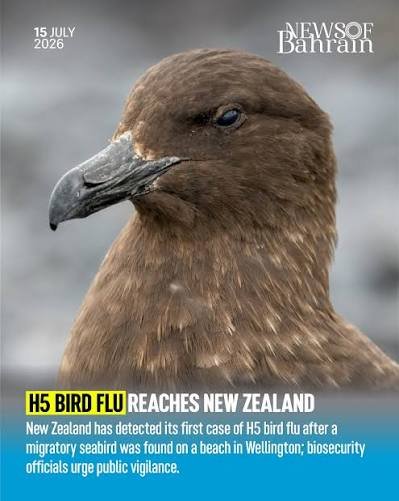
New Zealand has confirmed three detections of H5 high-pathogenicity avian influenza (H5 bird flu), with authorities continuing intensified surveillance while reporting that the virus has not been detected in poultry.
The latest situation update, reviewed on 6 October 2026, comes as New Zealand works to protect commercial poultry production and vulnerable wildlife populations from an emerging H5 threat.
Three confirmed detections
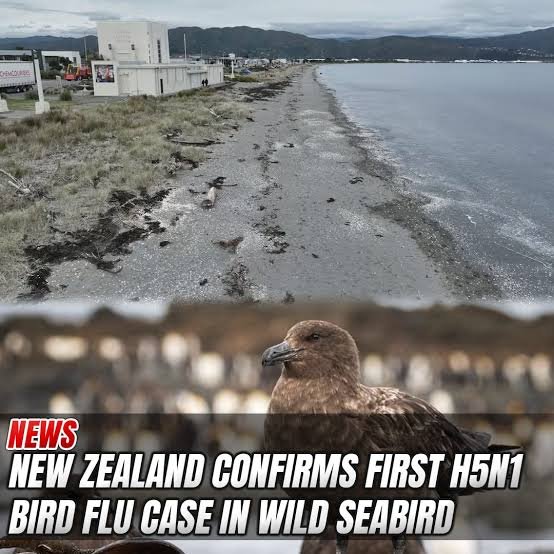
New Zealand’s third confirmed H5 detection involved a northern giant petrel found dead on a remote Cape Palliser beach in the Wairarapa. The case was confirmed on 21 August 2026.
Authorities report that there has been no evidence of mass wildlife mortality and, critically for the commercial poultry sector, no detection in poultry to date. Wildlife detections demonstrate viral presence and ecological exposure, but do not automatically mean that commercial poultry has become infected.
The primary objective is therefore to prevent wildlife-to-poultry transmission.
Surveillance has intensified
New Zealand authorities say surveillance and response work has been intensified in coordination with industry and other agencies.
The country’s geographic isolation provides some advantages for biosecurity, but the presence of H5 virus in wild birds creates a continuing risk because migratory and coastal bird populations can interact with domestic poultry environments.
The key defence therefore remains biosecurity at farm level. That includes preventing poultry from accessing wild-bird-contaminated environments, protecting feed and water, managing visitors and equipment and maintaining rapid reporting systems.
Wildlife conservation adds another dimension
New Zealand is also implementing a vaccination programme for 300 core breeding birds from five endangered species:
-
kākāpō;
-
takahē;
-
tūturuatu/shore plover;
-
kakī/black stilt;
-
kākāriki karaka/orange-fronted parakeet.
This illustrates the broader One Health dimension of H5 avian influenza. The virus is not simply a commercial poultry disease. It can affect wildlife populations that may already be under severe conservation pressure.
Commercial poultry remains the key economic concern
The absence of poultry detections is currently the most important commercial indicator. An incursion into commercial poultry could potentially trigger:
-
flock mortality;
-
movement restrictions;
-
culling;
-
trade disruption;
-
export restrictions;
-
increased surveillance;
-
higher biosecurity costs.
The economic impact of HPAI therefore tends to be nonlinear: a relatively small number of initial wildlife detections can require substantial preventive expenditure across the poultry sector.
Implications for animal-health suppliers
The situation strengthens demand for:
-
molecular diagnostics;
-
environmental surveillance;
-
wild-bird monitoring;
-
biosecurity systems;
-
farm-level risk assessment;
-
PPE and sanitation;
-
rapid-response veterinary services;
-
digital disease-alert platforms.

