


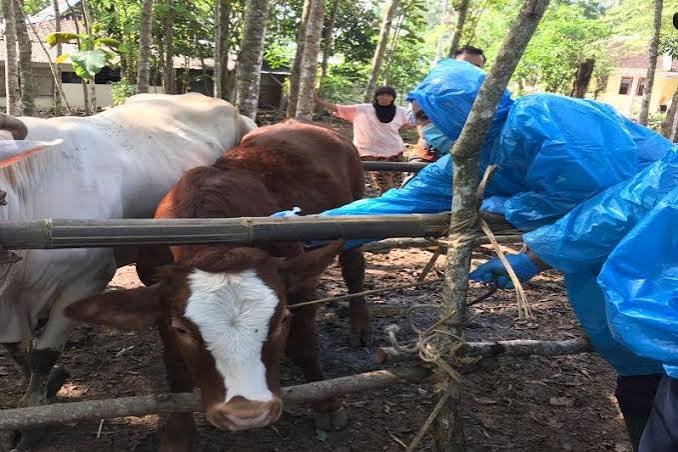
YOGYAKARTA, Indonesia — October 12, 2026 — In a direct regulatory intervention against recurrent zoonotic anthrax outbreaks, the Gunungkidul Regional Government in Yogyakarta Province has launched an emergency livestock compensation scheme. The financial framework directly reimburses farmers for animals that die from anthrax (Bacillus anthracis) and six other priority transmissible livestock diseases, aiming to eradicate the hazardous cultural practice known locally as brandu.
Addressing the Root Driver of Zoonotic Anthrax Transmission
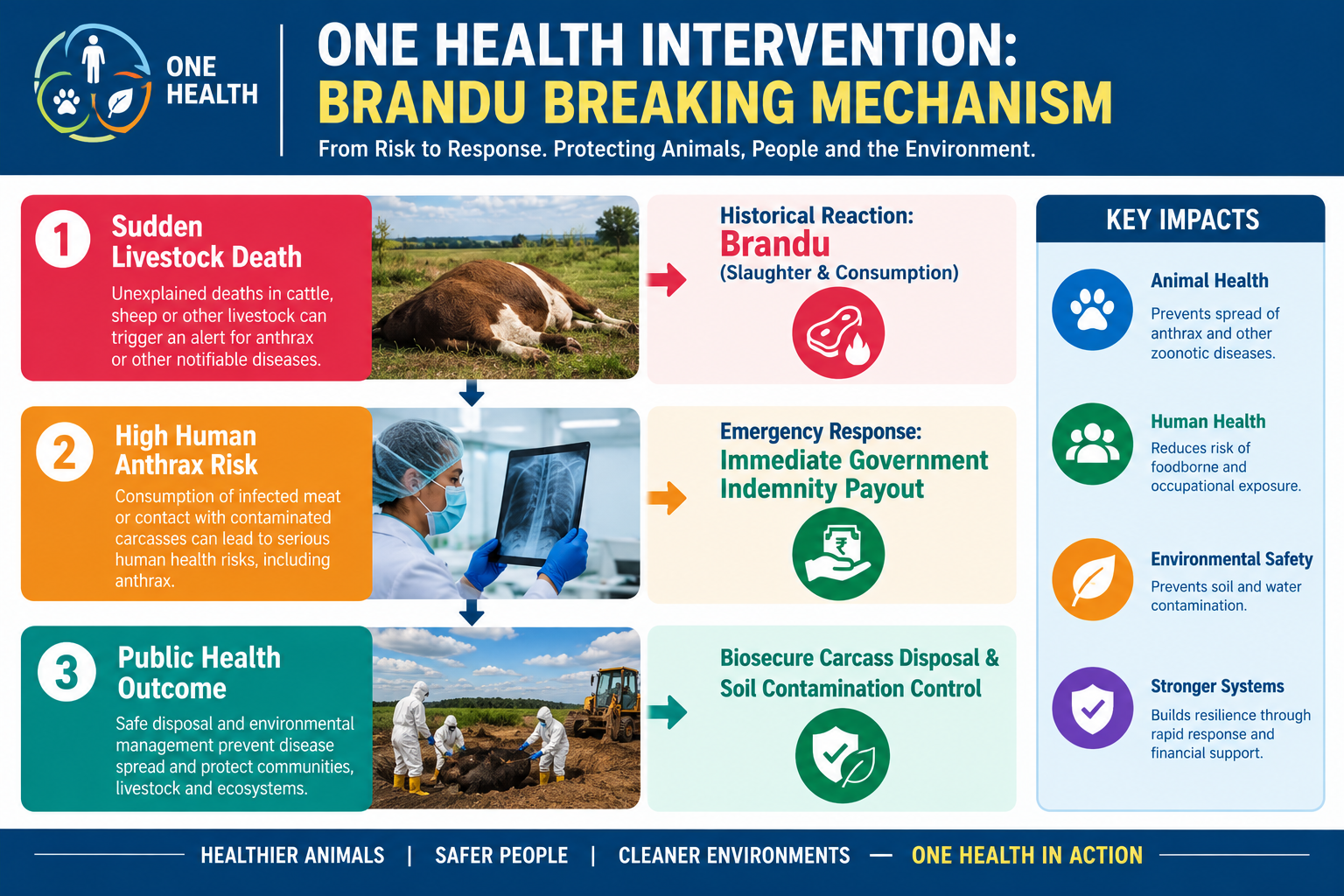
The regional policy response follows localized human anthrax exposures tied to the emergency slaughter and communal distribution of livestock that had died suddenly in endemic rural sub-districts. Under the economic pressure of losing livestock capital, smallholders historically engaged in brandu—cutting up and selling infected carcasses to recover financial losses.
Multi-Agency One Health Deployment
To contain localized spore environmental contamination, the Indonesian Ministry of Agriculture coordinated an integrated One Health containment response:
-
Targeted Prophylaxis: Administered targeted antibiotic therapy and vitamins to hundreds of surrounding susceptible cattle and goats before executing mass ring vaccination campaigns.
-
Decontamination & Quarantine: Deployed specialized field teams in full personal protective equipment (PPE) to disinfect affected shelters, enforce soil sterilization, and restrict animal movements.
-
Financial Incentives for Public Health: By removing the financial risk of disease reporting, regional agricultural authorities aim to secure early outbreak notifications, prevent infected meat from entering human supply chains, and reduce environmental spore loading.

