


HomeCompanion AnimalsBioCraft Reports Equal First-Bite Preference for Cultivated Cat Treat in 40-Cat Feeding...

BioCraft Reports Equal First-Bite Preference for Cultivated Cat Treat in 40-Cat Feeding Trial

Austrian-American pet food biotechnology company BioCraft Pet Nutrition says its cell-cultivated mouse-meat treat achieved a 50:50 first-bite split against Applaws’ conventional chicken lickable treat, providing an early palatability benchmark for cultivated ingredients in pet food.

VIENNA | 14 October 2026 — BioCraft Pet Nutrition has reported encouraging results from an independent feeding trial comparing its cell-cultivated cat treat with Applaws Chicken Creamy Lickable Treats. In the test involving 40 cats, the two products showed no statistically significant difference in overall preference, according to results published on 13 October.

The trial addresses a practical challenge for cultivated-meat developers: producing an ingredient that is not only technically feasible but also accepted by the animals expected to consume it. For pet food manufacturers, palatability is a critical product-development consideration alongside safety, nutritional composition, cost and regulatory compliance.

BioCraft, an Austrian-American company developing cell-cultivated ingredients for pet food, said the result provides an initial indication that its formulation can compete with an established commercial lickable treat on acceptance by cats. The findings are preliminary and do not establish long-term feeding acceptance, nutritional equivalence or commercial success.
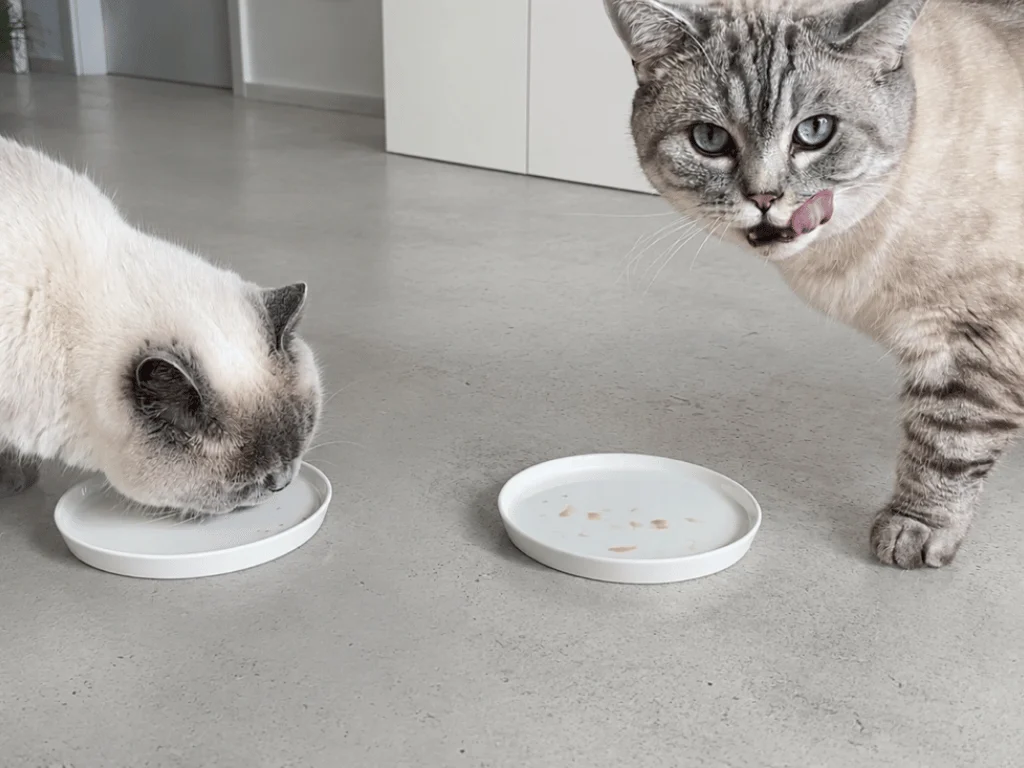
What the 40-cat trial found

The feeding trial was conducted by German market research firm Regionales-Produkt-Panel (RPP). Cats received 30-gram portions of BioCraft’s treat and the Applaws comparator side by side in their homes, with bowl positions rotated to help control for positional preference.

Trial measure
BioCraft cultivated treat
Applaws chicken treat
Cats eating more of the product
17
19
Cats eating equal amounts
4
4 cats ate equal amounts across both products
First-bite selection
20 cats
20 cats
Overall preference
No statistically significant difference reported

The first-bite result was evenly split, with 20 cats selecting each product first. For the overall consumption measure, 17 cats ate more of BioCraft’s treat, 19 ate more of Applaws’ product, and four consumed equal amounts. The study’s reported analysis found no statistically significant preference between the two formulations.

These results should not be described as proof that the products are identical or statistically equivalent in every respect. A finding of no statistically significant difference means the trial did not establish a preference under the conditions tested; it does not demonstrate equivalence across all cats, feeding situations or product attributes.

The small sample also limits the conclusions that can be drawn about the wider cat population. The public reporting does not provide sufficient detail to independently assess all aspects of the study design, statistical power or reproducibility.

How BioCraft’s cultivated ingredient is produced

BioCraft develops cultivated mouse-meat ingredients using animal cells grown in a controlled production environment. According to the company and reporting on the trial, the cells are supplied with nutrients including sugars, amino acids, vitamins and minerals, allowing biomass to be produced without raising animals for conventional meat harvesting.

Why palatability matters to the pet food industry

Cultivated ingredients have attracted interest as an alternative source of animal-derived material for pet food. Yet manufacturers need evidence that a new ingredient can be incorporated into products that pets will actually consume.

A product that meets technical specifications but is poorly accepted may struggle to achieve repeat purchases or sustained use. Conversely, evidence of palatability can help manufacturers decide whether an ingredient merits further development in treats, toppers or complete and balanced foods.

The BioCraft trial therefore provides a useful early commercial signal. It tests the company’s formulation against an existing consumer product rather than relying solely on laboratory characterisation or theoretical nutritional comparisons.

Commercial outlook: an early benchmark, not market validation

For established pet food manufacturers, cultivated ingredients could eventually provide another option for developing differentiated products or diversifying ingredient supply. Potential commercial applications include specialist treats and other products in which ingredient functionality and palatability can be evaluated before wider adoption.

For ingredient suppliers, the next milestones will be reproducibility, production scale, cost, regulatory access and the ability to supply consistent material to commercial customers. For brand owners, consumer acceptance, product positioning, manufacturing compatibility and price will remain central questions.

BioCraft’s reported result is encouraging because it shows no statistically significant preference disadvantage against the chosen conventional comparator in this small trial. Nevertheless, it is one study of one formulation and one product category. It cannot predict the performance of every cultivated ingredient or establish broad consumer demand.

The bottom line

BioCraft has reported an early palatability milestone for cultivated cat food ingredients. The 40-cat trial offers a useful benchmark for product development, but safety, nutritional adequacy, scalable manufacturing, regulatory compliance and commercial viability remain separate questions that must be answered before cultivated ingredients can be judged on their wider market potential.

Animal Health India Editorial Team
Animal Health India Editorial Teamhttps://animalhealthindia.com
Animal Health India (AHI) is an independent news and intelligence platform covering the global animal health, veterinary, livestock, poultry, companion animal and pet food sectors. Our editorial team comprises veterinary journalists, animal health professionals, regulatory affairs specialists and industry analysts with over 30 years of combined experience covering India, Asia, Europe and North America. AHI publishes news, regulatory updates, market intelligence and company news drawn from primary sources including DAHD, EMA, USDA, AVMA and leading veterinary publications worldwide.
RELATED ARTICLES