


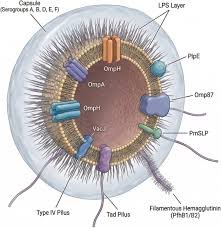
Canadian researchers have advanced a breakthrough subunit vaccine targeting haemorrhagic septicaemia (HS), a rapid and highly fatal bacterial disease that devastates cattle and water buffalo herds across low- and middle-income countries.
Co-led by scientists at the University of Toronto and the University of Calgary, this international innovation initiative transitions from academic discovery to commercial manufacturing. Supported by the Global Alliance for Livestock Veterinary Medicines (GALVmed), Canada’s International Development Research Centre (IDRC), and the Bill & Melinda Gates Foundation, the vaccine represents a shift from traditional whole-killed bacterin shots to engineered protein antigens.
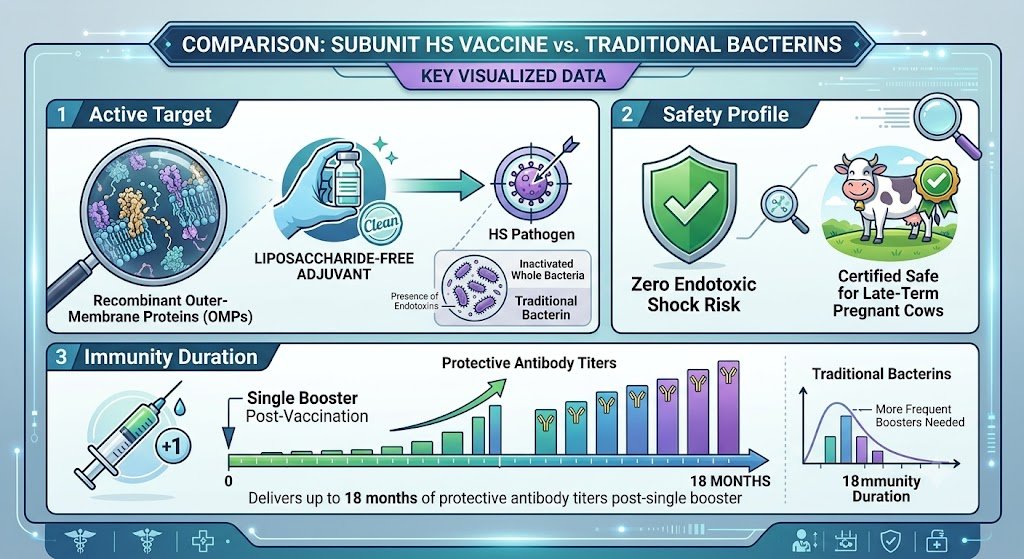
Key Strategic Innovations
- Long-Lasting Immunity: Clinical trials show the vaccine provides protection lasting up to 18 months in cattle. Traditional whole-cell vaccines typically require expensive, biannual administration to maintain efficacy.
- Universal Cross-Protection: The subunit vaccine targets a highly conserved surface receptor protein (PmSLP) on Pasteurella multocida. This mechanism triggers an immune response against multiple circulating bacterial serogroups responsible for the disease.
- Combating Antimicrobial Resistance (AMR): By preventing rapid-onset infections that kill livestock within hours, the vaccine offers a pathway to drastically lower regular antibiotic usage in global herds.
Global Commercialization Roadmap

