


ROME, Italy / PARIS, France — October 15, 2026 — The Food and Agriculture Organization (FAO) and the World Organisation for Animal Health (WOAH) have released updated economic impact assessments detailing the financial returns of the Peste des Petits Ruminants Global Eradication Programme (PPR-GEP) across Asia. The report demonstrates that eradicating PPR (sheep and goat plague) by the 2030 target deadline delivers exceptional socioeconomic returns, protecting pastoral livelihoods and regional trade.
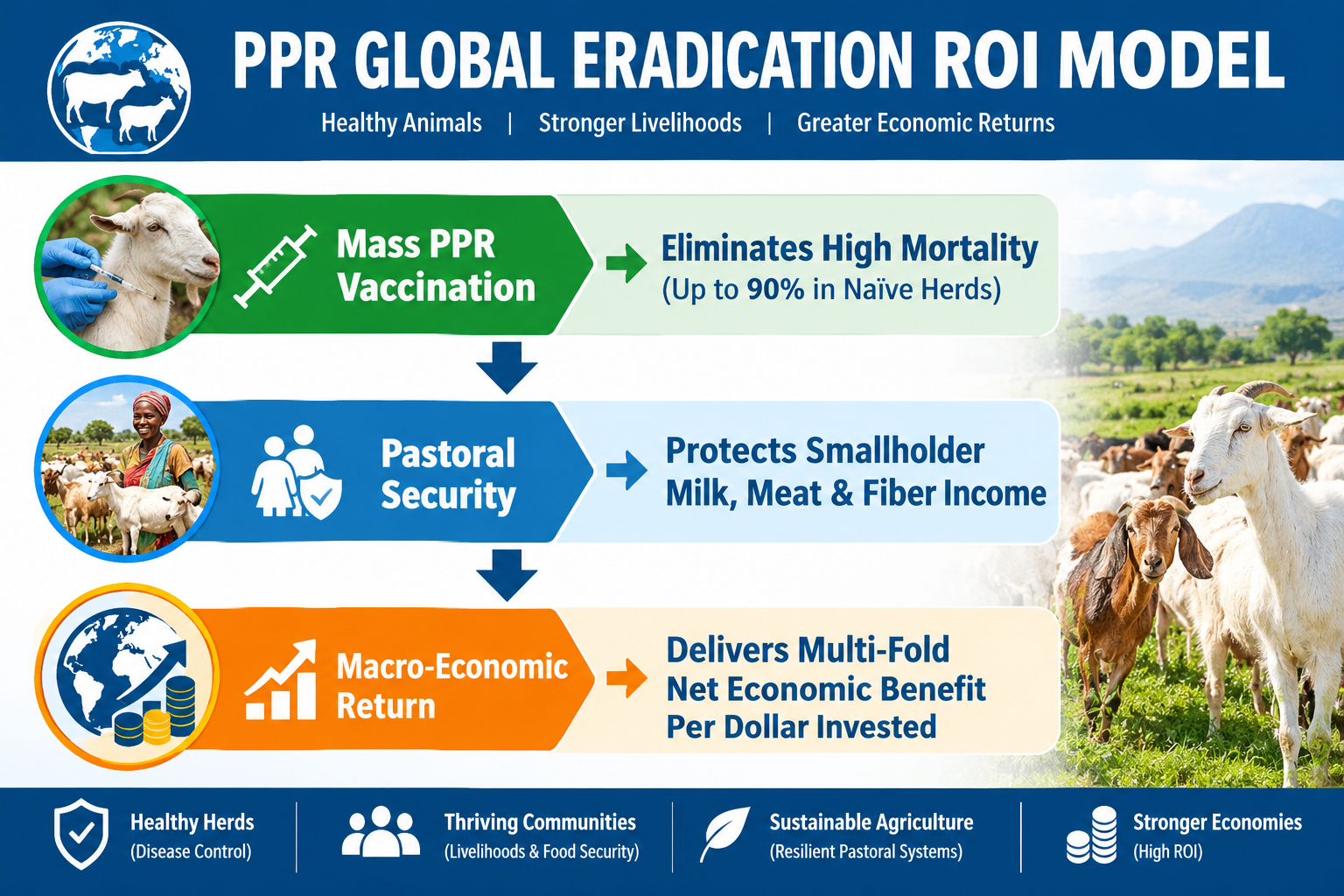
Accelerating the Episystem Eradication Framework
The updated strategy utilizes cross-border “episystem” approaches to synchronized vaccination campaigns:
-
Targeted Risk-Based Immunization: Focuses high-potency thermotolerant PPR vaccines on transhumance livestock corridors and border transit hubs.
-
Sustained Diagnostic Surveillance: Integrates non-invasive oral swab sampling and competitive ELISA assays to confirm disease-free status across previously endemic pastoral zones.
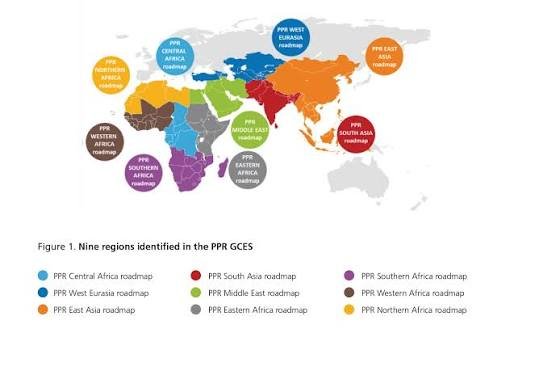
Key Facts on PPR and Eradication
-
The Disease: PPR is a highly contagious viral morbillivirus that affects sheep, goats, wild small ruminants, and camels. It causes high fever, lesions, pneumonia, up to 100% morbidity, and high mortality rates. It does not infect humans
-
Economic Impact: The disease inflicts an estimated $1.2 billion to $2.1 billion in annual economic losses globally, threatening the livelihoods of about 300 million to 330 million vulnerable rural families who rely on small ruminants
-
Return on Investment (ROI): Investing in PPR eradication delivers a high economic return by protecting livestock assets, increasing agricultural GDP in low- and middle-income countries, empowering rural women, and improving food security
-
Available Tools: Eradication is achievable because safe, inexpensive, single-dose vaccines provide lifelong immunity with no carrier state

 eradication)