


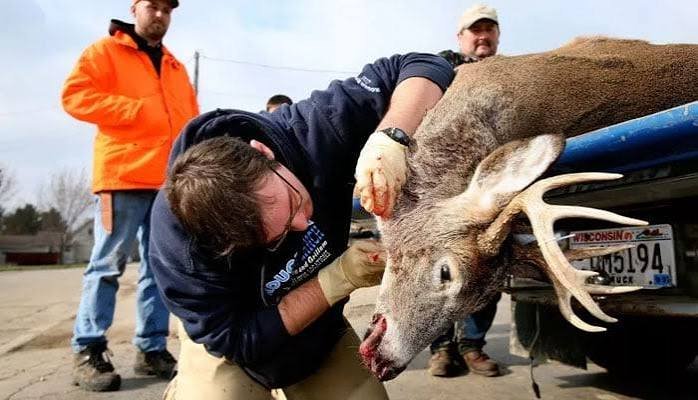
MADISON, Wis. — A record-breaking outbreak of Epizootic Hemorrhagic Disease (EHD) in wild white-tailed deer across southeast Wisconsin has put local livestock producers on high alert. With hundreds of deer succumbing to the viral disease in counties like Washington, Waukesha, Dodge, and Ozaukee, dairy and beef farmers are evaluating the threat to their herds.
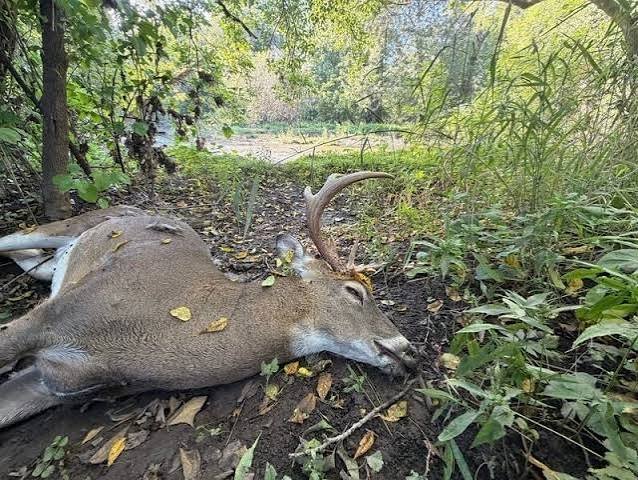
While the high deer mortality rates have raised alarm, agricultural experts and state veterinarians stress that while the risk to cattle is real, the threat differs significantly from that faced by wildlife.
What is EHD and How Does It Spread?
Epizootic Hemorrhagic Disease (EHD) is a viral infection transmitted exclusively through the bites of Culicoides biting midges, commonly known as “no-see-ums” or biting gnats. EHD cannot spread directly from deer to cattle or between individual livestock.
The disease thrives during late summer and early autumn when warm, dry conditions force deer and insects to congregate around shrinking water sources and muddy pond edges—ideal breeding grounds for midges.
EHD Risk Assessment: Dairy and Beef Cattle
While white-tailed deer face high mortality rates from severe internal hemorrhaging, cattle generally possess strong natural resistance to the virus. However, the presence of an active viral reservoir nearby creates specific operational and economic considerations for livestock producers.
Key Risk Factors for Farmers
-
Low Mortality, Variable Morbidity: Death in cattle due to EHD is extremely rare. Most infected animals remain asymptomatic or display mild illness. However, affected livestock may develop fever, lameness, excessive salivation, and painful ulcers on their muzzles and inside their mouths.
-
Impact on Milk Production: For dairy farms, even mild clinical cases can trigger a temporary dip in herd performance. Cows suffering from mouth sores or fever eat less, leading to short-term declines in bulk tank yields.
-
Diagnostic Confusion: The clinical signs of EHD in cattle closely mirror Bluetongue Virus (BTV) and foreign animal diseases like Foot-and-Mouth Disease (FMD). Producers who spot oral lesions must consult veterinarians immediately to run confirmatory diagnostic tests and prevent unnecessary regulatory quarantines.
-
Reproductive Risks: High fevers in pregnant cows during early gestation can occasionally cause localized embryonic loss or abortions, though widespread reproductive issues remain uncommon.
Risk Assessment Matrix: Dairy & Beef Cattle
Risk Category |
Level |
Impact / Manifestation |
Direct Mortality |
Very Low |
Death in cattle is extremely rare. Unlike white-tailed deer, cattle rarely suffer fatal hemorrhagic fever from EHD. |
Morbidity & Clinical Illness |
Low to Moderate |
Most infected cattle show no signs or very mild symptoms. Some may experience fever, oral ulcers, excessive salivation, lameness, and swollen tongues. |
Milk Production Drops |
Moderate (Temporary) |
Infected dairy cows suffering from oral sores, fever, or lameness will reduce feed intake, causing localized short-term dips in milk yield. |
Vector / Direct Transmission |
Zero Direct |
EHD cannot spread directly from deer to cattle or cattle to cattle. Transmission requires a biting midge vector. |
Zoonotic / Human Health |
Zero Risk |
EHD does not infect humans, nor does it affect meat or milk safety. |
Mitigation Strategies for Producers
Until the season’s first hard freeze eliminates adult midge populations, livestock managers should take proactive steps to reduce vector contact:
-
Eliminate Midge Breeding Sites: Drain shallow, stagnant water, fix leaky water troughs, and manage manure runoff near pens and pastures.
-
Adjust Pasture Schedules: Keep cattle away from marshy areas, wooded property boundaries, and stagnant water bodies—especially during late afternoon and early morning hours when midge activity peaks.
-
Use Vector Controls: Apply approved insect repellents and backrubbers treated with permethrin or other labelled insecticides to protect cattle from biting gnats.
-
Maintain Diagnostic Vigilance: Promptly report any unexplained lameness, drooling, or mouth sores to the Wisconsin Department of Agriculture, Trade and Consumer Protection (DATCP) to rule out reportable diseases.

