


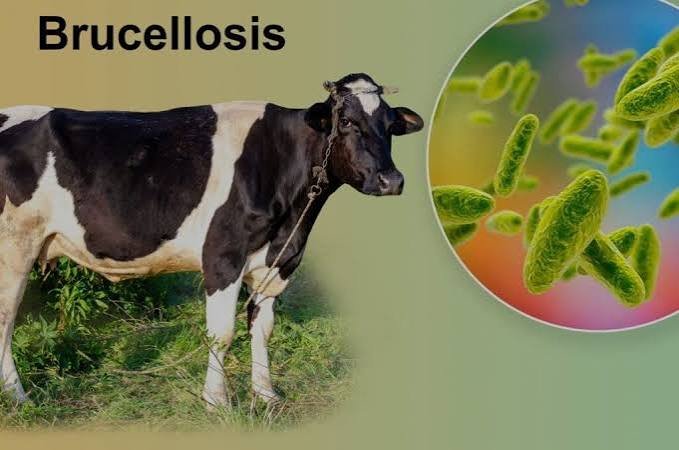
BADAJOZ, Spain — Official Veterinary Services in the autonomous community of Extremadura have confirmed a fourth secondary focus of Brucella abortus on a beef cattle breeding farm in Badajoz Province. The affected facility, which houses 468 animals, was identified during heightened surveillance protocols following earlier primary cases in the region.
Spain, which officially achieved Brucella abortus-free status across its herd populations in 2022, has enacted rapid regulatory containment measures to prevent further pathogen transmission.
Immediate Containment and Sanitary Protocols
In accordance with Spanish livestock health regulations and European Union disease control frameworks, regional agricultural authorities have enacted the following emergency actions:
-
Testing and Confirmation: The herd initially tested completely negative during a serological check on July 27, 2026. However, a subsequent second-round test on September 30 confirmed three animals as positive using Rose Bengal and complement fixation testing
-
Current Toll: This confirmation brings the regional total within this single focus to one primary outbreak and four secondary outbreaks
-
Eradication Measures: Official Veterinary Services immediately immobilized the entire holding and ordered sanitary depopulation (culling) of the 468-animal herd. Authorities are also conducting intensive epidemiological tracing, disinfection, and slurry management.
-
Surveillance Zone: A strict 10-kilometer surveillance radius remains active around the affected sites. Livestock movements and products capable of carrying Brucella bacteria within this zone face severe restrictions

