


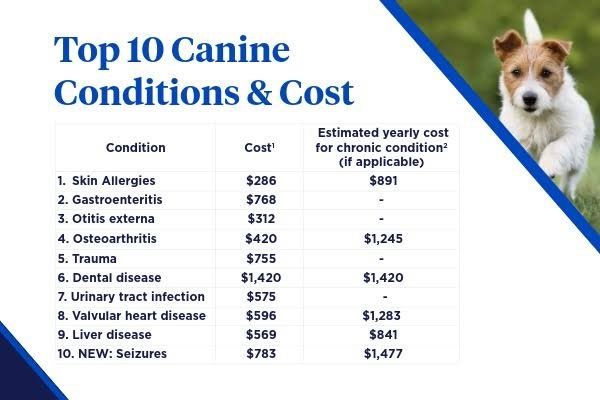
UNITED STATES | 16 October 2026 — Skin allergies have retained their position as the most common condition on Nationwide’s list of US canine pet-insurance claims for the 15th consecutive year, according to the insurer’s 2026 analysis of common pet health problems.
Nationwide reports that its analysis covers more than 3.3 million pet insurance claims submitted in 2025 for its insured dog and cat population. The persistence of skin allergies at the top of the canine ranking points to the continuing burden of recurring dermatological conditions in companion-animal practice. Nationwide’s 2026 analysis.

Chronic conditions remain important
Canine allergic skin disease can involve itching, redness, recurrent inflammation and secondary skin or ear infections. Depending on the underlying cause, management may require veterinary examination, parasite control, identification of possible triggers, treatment of secondary infections and longer-term symptom management.
The insurance ranking is commercially relevant because chronic or recurrent conditions may generate repeated consultations, diagnostic work and continuing medication costs. Nationwide also reports that six of the ten most common canine conditions in its ranking are chronic, reinforcing the importance of sustained disease management rather than one-off treatment.
The data should not, however, be interpreted as a direct estimate of allergy prevalence across all US dogs. Insurance claims reflect the company’s covered population, policy terms, owners’ decisions to seek treatment and claims-submission patterns. They do not necessarily represent uninsured animals or the entire national dog population.

Implications for veterinary and animal-health companies
The continued prominence of skin allergies supports the importance of veterinary dermatology within the companion-animal health market. Relevant categories include diagnostic services, antipruritic and anti-inflammatory therapies, infection management, dermatological diets and preventive care.
For veterinary practices, recurrent allergy cases can also create opportunities to improve continuity of care through structured follow-up, owner education and monitoring of treatment response. A long-term management plan should be individualised by the attending veterinarian rather than based on an insurance ranking alone.
What the figures do—and do not—show
The 15-year run at the top indicates persistence in the insurer’s claims ranking; it does not by itself prove that canine allergies are becoming more prevalent or severe. Year-on-year changes in claim frequency, average cost, treatment patterns and insured-population composition would be needed to assess those questions.

