

HomePoultryH5N1 Avian Influenza at Vandalur Zoo: Seven Waterbirds Confirmed

H5N1 Avian Influenza at Vandalur Zoo: Seven Waterbirds Confirmed

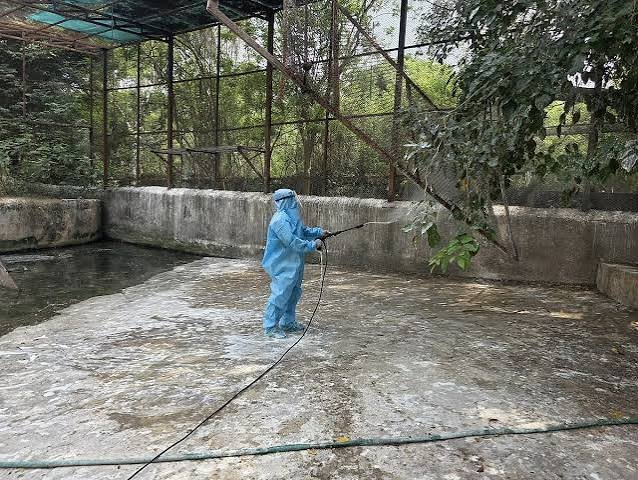
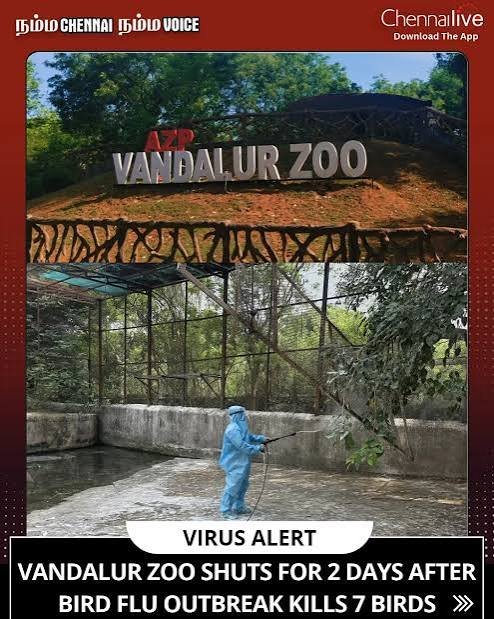
Arignar Anna Zoological Park, popularly known as Vandalur Zoo, near Chennai, has temporarily closed following confirmation of highly pathogenic avian influenza (H5N1) in seven waterbirds. The National Institute of High Security Animal Diseases (NIHSAD), Bhopal, confirmed the laboratory findings. The zoo is scheduled to remain closed on 22 and 23 October to facilitate intensive sanitation and strengthen biosecurity.
Seven waterbirds affected

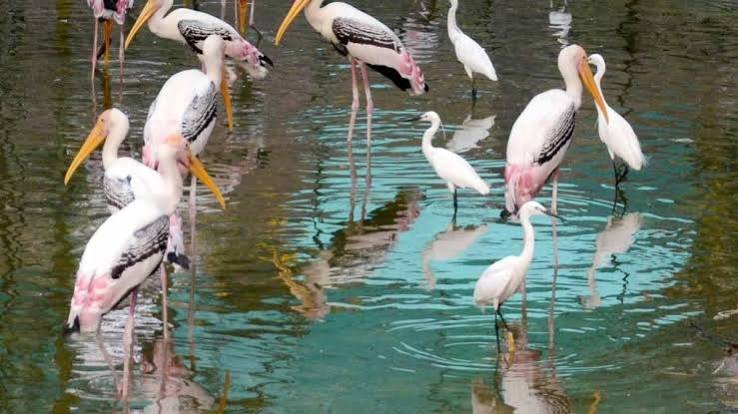
The reported deaths involved four painted storks, a grey pelican, a grey heron and a darter in the Vedanthangal enclosure. The birds died between 3 and 9 October, with the laboratory confirmation reported on 21 October. Zoo director Ritto Cyriac told the newspaper that no further deaths had been reported since 9 October and that the outbreak was considered likely to be over. This was the zoo’s assessment at the time of reporting, not independent confirmation that all infection risks had been eliminated.

Zoo authorities said that disinfection had begun after the deaths were identified. Measures reported included cleaning and replacing enclosure water, disinfecting affected areas, restricting visitor access around the affected enclosure and treating remaining waterbirds under veterinary supervision. The two-day closure was intended to support further sanitation, monitoring and biosecurity work.
Why H5N1 requires a strong response

Highly pathogenic avian influenza can cause high mortality in susceptible bird populations and can spread among wild and captive birds. Wildlife facilities face specific challenges because birds may share water sources, occupy interconnected enclosures or have contact with wild birds that enter or move around the facility.

A credible response therefore requires more than cleaning visible surfaces. Veterinary teams must consider the affected species, enclosure layout, water systems, carcass handling, equipment, staff procedures and possible routes of exposure. Surveillance of remaining birds and timely reporting of further illness or deaths are important components of outbreak management.

Implications for zoos and poultry operations

The incident is relevant beyond zoological collections. Captive wildlife facilities, poultry farms, bird sanctuaries and rehabilitation centres all need appropriate biosecurity procedures and rapid access to veterinary diagnostics. However, an outbreak in a zoo enclosure should not automatically be interpreted as evidence of infection in nearby commercial poultry farms.

For visitors, the immediate practical issue is the temporary closure. For animal-health authorities, the priorities are confirmation of the affected population, safe carcass management, disinfection, surveillance and assessment of whether further spread has occurred.

Animal Health India Editorial Team
Animal Health India Editorial Teamhttps://animalhealthindia.com
Animal Health India (AHI) is an independent news and intelligence platform covering the global animal health, veterinary, livestock, poultry, companion animal and pet food sectors. Our editorial team comprises veterinary journalists, animal health professionals, regulatory affairs specialists and industry analysts with over 30 years of combined experience covering India, Asia, Europe and North America. AHI publishes news, regulatory updates, market intelligence and company news drawn from primary sources including DAHD, EMA, USDA, AVMA and leading veterinary publications worldwide.
RELATED ARTICLES