HomeCorporateFAO–WOAH 100th Rinderpest Meeting Focuses on Global Preparedness

FAO–WOAH 100th Rinderpest Meeting Focuses on Global Preparedness

Food and Agriculture Organization of the United Nations (FAO) and the World Organisation for Animal Health (WOAH) are continuing international work on two major transboundary animal-disease priorities: maintaining global freedom from rinderpest and advancing the eradication of peste des petits ruminants (PPR).

The two initiatives are related through the broader goal of strengthening animal-health systems, but they are separate activities, not one combined session that has already established a new PPR vaccination framework.

Rinderpest: safeguarding an eradication milestone

The 100th meeting of the FAO–WOAH Rinderpest Secretariat is scheduled for 22–23 October 2026. Since rinderpest was declared globally eradicated in 2011, international preparedness has focused on preventing re-emergence and maintaining oversight of authorised virus-containing material and designated holding facilities.

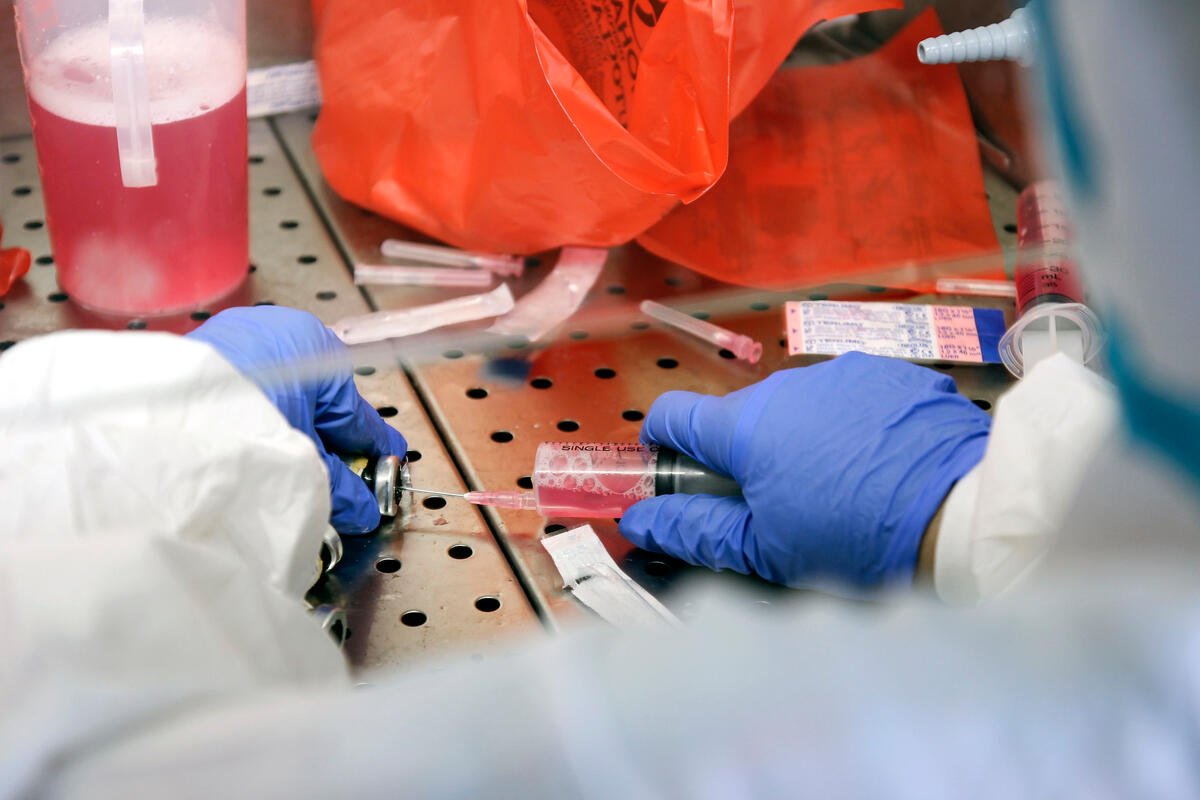
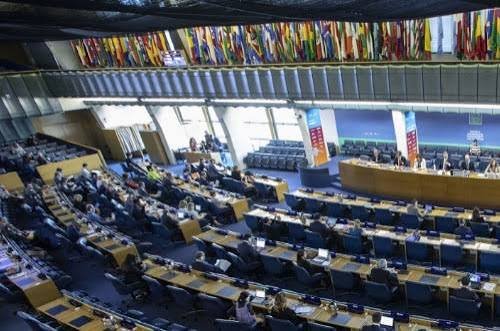
The meeting is designed to bring together FAO, WOAH and designated Rinderpest Holding Facilities Category B to review progress, exchange lessons and identify priorities for preparedness. A central item is a technical consultation on a draft framework for activating rinderpest vaccine reserves and deploying vaccines if the disease re-emerges. Participants are also expected to conduct a tabletop simulation to assess how the proposed framework might work in practice.

The agenda includes management of holding facilities, ongoing research and strategic priorities for 2027–2028. Because the meeting is scheduled for 22–23 October, its planned discussions should not be reported as completed outcomes before the event concludes and a formal record becomes available.

PPR: understanding “episystems” to improve targeted control

Separately, FAO has scheduled a webinar titled “Understanding episystems for eradicating peste des petits ruminants” for 23 October 2026. PPR is a highly contagious viral disease affecting sheep and goats and can cause substantial losses for smallholder livestock producers.

An episystem is a small-ruminant subpopulation capable of sustaining PPR virus circulation over time. Understanding these epidemiological networks can help authorities identify where transmission persists and design more targeted, risk-based control strategies. The planned webinar will examine how livestock movements, epidemiological connectivity, disease occurrence, demographic information, local knowledge and genetic evidence can be combined to identify and characterise these systems across Africa and Asia.

Why the distinction matters

Rinderpest preparedness concerns the protection of an already achieved global eradication status, including secure management of virus-containing material and contingency planning. PPR eradication involves ongoing surveillance, vaccination and control across livestock populations where the virus continues to circulate.

Both are strategically important, but the available FAO pages do not substantiate the claim that the 100th Rinderpest meeting itself established a new PPR vaccine deployment framework. The vaccine-reserve framework listed in the Rinderpest agenda is specifically for the event of rinderpest re-emergence.

Industry implications: Veterinary vaccine manufacturers, diagnostic providers, national veterinary services and livestock-development programmes should monitor the meeting outputs and the separate PPR technical discussion for formal recommendations, implementation priorities and any subsequent guidance. Until published, proposed frameworks and planned technical discussions must not be presented as adopted policy.

Animal Health India Editorial Team
Animal Health India Editorial Teamhttps://animalhealthindia.com
Animal Health India (AHI) is an independent news and intelligence platform covering the global animal health, veterinary, livestock, poultry, companion animal and pet food sectors. Our editorial team comprises veterinary journalists, animal health professionals, regulatory affairs specialists and industry analysts with over 30 years of combined experience covering India, Asia, Europe and North America. AHI publishes news, regulatory updates, market intelligence and company news drawn from primary sources including DAHD, EMA, USDA, AVMA and leading veterinary publications worldwide.
RELATED ARTICLES