

HomeCorporateUK Veterinary Regulation Reform: Practice Ownership and Governance

UK Veterinary Regulation Reform: Practice Ownership and Governance

UK Veterinary Governance Reform Could Reshape Practice Ownership and Consumer Protection

UNITED KINGDOM — October 2026: The UK veterinary sector is moving through a significant period of proposed regulatory reform, with government plans aimed at modernising professional oversight, addressing consumer concerns and establishing a more comprehensive framework for veterinary and animal-health businesses.

The reform agenda follows the Competition and Markets Authority’s examination of the veterinary services market and the Government’s July 2026 white paper, Our vision for a thriving veterinary sector. The British Veterinary Association has welcomed the direction of reform while emphasising the need for practical implementation that protects animal welfare and supports the profession.
Why the current framework is under review

The Veterinary Surgeons Act 1966 remains the principal statutory framework for regulating veterinary surgeons in the UK. Government proposals argue that the system needs updating to reflect changes in veterinary services, professional roles, business structures and public expectations.

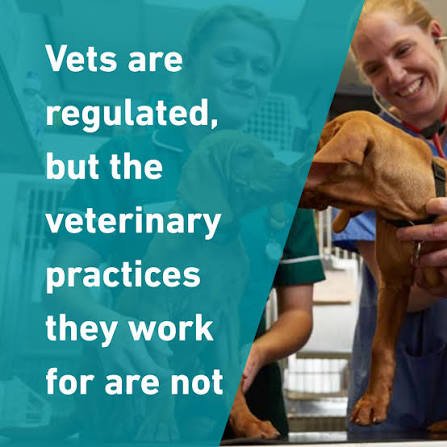
One key issue is the distinction between regulating individual professionals and regulating the businesses through which veterinary services are delivered. As ownership structures have evolved, policymakers have argued that business-level standards, transparency and consumer protections need clearer statutory foundations.

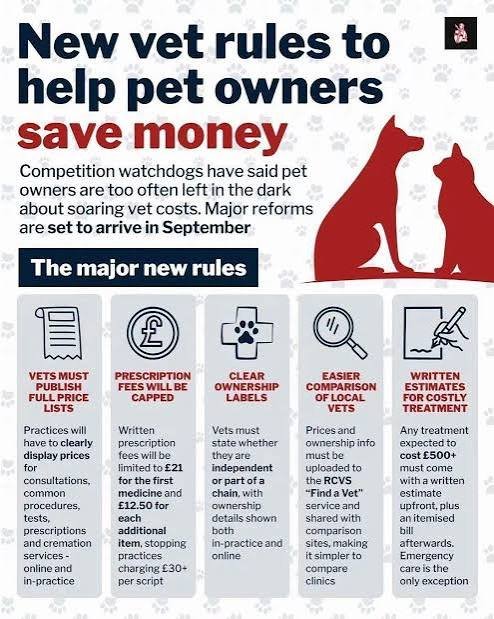
The CMA’s veterinary market investigation also raised concerns about access to pricing information, consumer choice, prescription-related issues and the concentration of practice ownership.

What the proposed reforms could involve

The Government’s white paper sets out plans for a more comprehensive framework, including:

  • Regulation of veterinary and animal-health businesses.

  • Updated professional registration and licensing arrangements.

  • Clearer standards for veterinary services and business conduct.

  • Modernised fitness-to-practise procedures.

  • Greater transparency and improved consumer support.

  • A clearer distinction between professional leadership and regulatory responsibilities.
These are reform proposals and intended policy directions; they should not all be described as fully implemented law. Legislative and implementation steps remain important milestones.

Separately, the CMA’s market remedies are being implemented on a phased timetable extending from September 2026 to September 2028, depending on the requirement and business size.

Implications for corporate veterinary groups

For multi-site operators, private-equity-backed groups and independent practices, the evolving framework could increase the importance of consistent pricing disclosures, governance, complaints handling, clinical standards and demonstrable compliance.

The impact will depend on the final legal requirements and how the regulator implements them. Larger groups may have established compliance infrastructure, while smaller practices could face additional administrative and financial demands.

The reforms may also influence investment due diligence, acquisition integration and practice-level reporting. Prospective investors will need to distinguish between existing legal obligations, CMA remedies already in force and proposed legislative changes.

Balancing consumer protection and clinical judgement

Improved transparency may help pet owners compare options and make informed decisions. At the same time, veterinary services are clinical interventions, and the lowest quoted price does not necessarily indicate the most appropriate treatment for an individual animal.

Professional bodies have therefore stressed the importance of designing a framework that supports informed choice without compromising clinical independence, animal welfare or the viability of veterinary services.

What happens next?

The principal milestones to monitor are the introduction of legislation, detailed regulatory rules, implementation guidance and the timetable for individual CMA remedies.

For veterinary businesses, preparation should focus on reviewing existing compliance processes, pricing communication, ownership disclosures, complaints procedures and internal governance rather than assuming every proposed change is already mandatory.

Animal Health India Editorial Team
Animal Health India Editorial Teamhttps://animalhealthindia.com
Animal Health India (AHI) is an independent news and intelligence platform covering the global animal health, veterinary, livestock, poultry, companion animal and pet food sectors. Our editorial team comprises veterinary journalists, animal health professionals, regulatory affairs specialists and industry analysts with over 30 years of combined experience covering India, Asia, Europe and North America. AHI publishes news, regulatory updates, market intelligence and company news drawn from primary sources including DAHD, EMA, USDA, AVMA and leading veterinary publications worldwide.
RELATED ARTICLES