


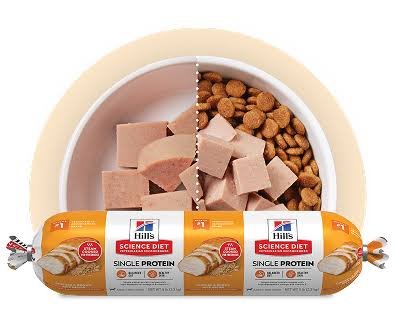
Established Pet Nutrition Brands Move Further into Fresh Feeding
The US pet food market is seeing established nutrition companies extend their portfolios into refrigerated and freshly prepared formats. Hill’s Pet Nutrition entered the refrigerated dog food category with Hill’s Science Diet Single Protein Dog Food Rolls, while Royal Canin launched its first fresh therapeutic diet portfolio following the suit.
The developments illustrate two distinct approaches to fresh pet nutrition: a refrigerated product format for everyday feeding and a veterinarian-directed portfolio designed for dogs with specific dietary requirements.
Hill’s announced its refrigerated single-protein dog food rolls and Royal Canin announced Royal Canin Fresh Veterinary Diets with availability through participating veterinary practices and veterinary online pharmacy partners.
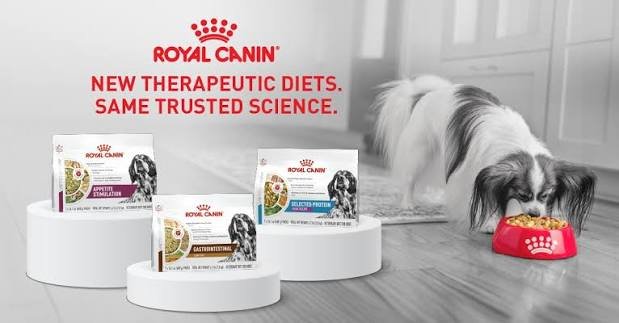
Royal Canin Targets Veterinary Therapeutic Nutrition
Royal Canin Fresh Veterinary Diets was introduced in the United States as a portfolio of fully cooked, fresh therapeutic diets. According to the company, the initial range addresses three important clinical feeding needs:
-
Gastrointestinal Low Fat: A reduced-fat formula for dogs requiring fat-restricted nutrition.
-
Selected Protein Pork: A single-animal-protein formula intended for certain food sensitivities and adverse food reactions.
-
Appetite Stimulation: A palatable, nutrient-dense option for dogs experiencing reduced appetite, illness-related recovery or unintended weight loss.
The company describes the portfolio as providing complete and balanced nutrition alongside targeted therapeutic formulation.
The strategic distinction is important. Rather than marketing freshness solely as a lifestyle preference, Royal Canin is positioning fresh feeding within veterinary nutritional management. This connects product development with clinical consultations, dietary trials and follow-up monitoring.
Company statements establish the launch and intended uses; independent comparative clinical evidence would be required to conclude that these products deliver superior outcomes to appropriately selected conventional therapeutic diets.
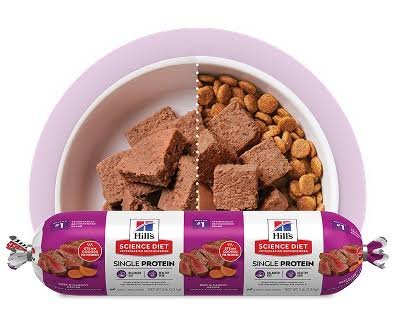
Hill’s Extends Refrigerated Nutrition into Its Science Diet Range
Hill’s Science Diet Single Protein Dog Food Rolls entered the refrigerated category this year. The launch represents Hill’s expansion beyond its established dry and canned food formats.
Single-protein positioning may appeal to owners seeking simpler ingredient profiles. However, a single-protein label alone does not establish that a food is suitable for every dog with suspected food allergies. Ingredient selection, nutritional completeness and veterinary guidance remain important, particularly when an elimination diet is being used diagnostically.
Hill’s broader science-led positioning also creates an opportunity to connect product innovation with veterinary education, although the nutritional merits of individual recipes should be assessed on their formulation and supporting evidence rather than the brand name or storage format alone.
What Is Driving the Fresh Pet Food Opportunity?
Fresh pet food combines consumer interest in minimally processed-looking ingredients with convenience, palatability and premium positioning. Refrigerated and frozen formats can also give manufacturers greater flexibility in product texture and recipe design.
Nevertheless, the category is not a single nutritional segment. It includes gently cooked complete meals, raw diets, refrigerated rolls, frozen portions, fresh therapeutic diets and products intended only as toppers or treats.
These formats differ in their food-safety requirements, nutritional profiles, shelf lives and intended uses. Freshness should therefore not be treated as a proxy for nutritional superiority.
A recent consumer guide published by Business Insider on October 13, 2026, likewise cautioned that fresh food is not necessarily healthier than a suitable canned or dry diet. It emphasised complete and balanced formulation, veterinary nutritional expertise and safe handling.
Food Safety and Nutritional Adequacy Remain Central
Refrigerated and frozen products introduce operational requirements that manufacturers, retailers and pet owners must manage carefully.
Key considerations include:
-
Maintaining the required cold chain during storage and distribution.
-
Following refrigeration, freezing, thawing and post-opening instructions.
-
Preventing cross-contamination during food preparation.
-
Verifying that the product is complete and balanced for its stated life stage and intended use.
-
Seeking veterinary advice when feeding a therapeutic diet or managing a diagnosed condition.
Fully cooked fresh products should also be distinguished from raw diets. Cooking can reduce microbial hazards, but it does not remove the need for appropriate manufacturing controls and safe handling.
Commercial Implications for the Pet Food Industry
For established manufacturers, fresh formats offer an opportunity to broaden product portfolios without abandoning existing expertise in nutritional formulation. For veterinary practices, therapeutic fresh diets may provide additional options for discussing feeding preferences with owners whose dogs have specific clinical requirements.
The model also has commercial implications for distribution. Refrigerated and frozen products may require specialised logistics, more frequent replenishment and closer inventory management than shelf-stable kibble. These costs can influence retail margins, geographic reach and the viability of direct-to-consumer delivery.
In India, any future expansion into fresh pet food would need to account for cold-chain reliability, ambient temperatures, delivery economics, household purchasing power and applicable pet-food regulatory requirements. The US launches do not, by themselves, establish an Indian market launch or distribution plan.
Outlook
Hill’s entry into refrigerated dog food and Royal Canin’s veterinary therapeutic fresh diet launch demonstrate that established pet nutrition companies are extending familiar science-led positioning into additional food formats.
The longer-term commercial opportunity will depend on more than consumer enthusiasm for freshness. Nutritional adequacy, demonstrable clinical value where therapeutic claims are made, food safety, affordability and dependable distribution will determine whether fresh formats become a durable part of the pet food market.

