


Illinois Commercial Egg Facility Reports HPAI Outbreak Affecting 934,600 Birds
A major commercial table-egg operation in Clinton County, Illinois, has been affected by highly pathogenic avian influenza (HPAI), involving a flock of 934,600 laying hens, according to USDA Animal and Plant Health Inspection Service (APHIS) data cited in industry reporting.
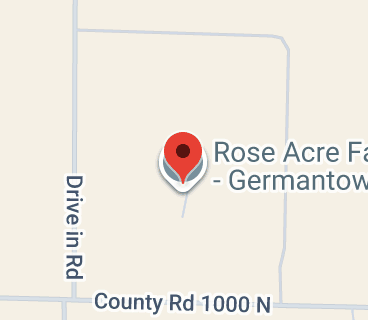
Local reporting by KSDK identified the premises as a Rose Acre Farms operation near Germantown, outside the village limits. Poultry industry publication PoultryMed also reported the outbreak on October 24, describing the affected premises as part of the Germantown Egg Co. complex associated with Rose Acre Farms. The affected birds were depopulated as part of the disease-control response, according to the available reports.
The event represents a substantial loss of productive capacity at a single site. However, the number of birds affected should not be confused with the number of eggs recalled, the volume of contaminated product, or the financial loss incurred by the operator. No quantified company loss, compensation payment or restocking timetable was established in the sources reviewed.
Outbreak at a Glance
Indicator |
Reported information |
|---|---|
Location |
Clinton County, Illinois, United States |
Nearby community |
Germantown |
Facility type |
Commercial table-egg layer operation |
Operator identified in reporting |
Rose Acre Farms-linked operation |
Birds affected |
934,600 laying hens |
USDA-derived detection date |
October 19, 2026 |
Disease |
Highly pathogenic avian influenza |
Response |
Depopulation of the affected flock reported |
Confirmed egg recall or contamination |
Not established by the cited reports |
Quantified financial loss |
Not disclosed in the sources reviewed |
Sources: USDA APHIS flock surveillance data, KSDK and PoultryMed. Facility ownership and operational relationships should be interpreted according to the available reporting; the outbreak record does not independently establish every corporate or site-level detail.

US Egg-Layer Industry: Wider Production Exposure
The Illinois outbreak occurred against a backdrop of continued HPAI-related losses in the US commercial egg sector.
According to The Scramble’s tracker, which compiles USDA APHIS detections, the United States had recorded 14 commercial egg-layer detections affecting approximately 17.0 million birds across six states in 2026, based on data through October 19.
The Illinois flock accounted for approximately 5.5% of the reported year-to-date layer-bird losses.
2026 indicator |
Reported figure |
|---|---|
Commercial layer detections |
14 |
States affected |
6 |
Layer birds affected |
Approximately 17.0 million |
Illinois flock |
934,600 birds |
Illinois share of year-to-date losses |
Approximately 5.5% |
The tracker lists Pennsylvania as the most affected state by number of commercial layer detections, with eight detections and approximately 7.5 million birds affected. North Carolina, Wisconsin, Colorado and Utah were also represented in the 2026 records.
These figures are specific to commercial egg-layer flocks and the stated reporting cut-off. They should not be interpreted as totals for all US poultry, including broilers, turkeys, backyard flocks or wild birds.
The USDA’s wider surveillance programme monitors commercial and backyard poultry, wild birds and other susceptible species. APHIS notes that HPAI detections can increase during spring and autumn bird migrations, when wild birds can contribute to virus introduction and spread.
Depopulation and Biosecurity: The Immediate Priorities
Depopulation of infected or affected flocks is a central component of outbreak containment, alongside movement controls, appropriate disposal, cleaning, disinfection and surveillance.
For large layer operations, the response can involve significant logistical requirements, including the management of carcasses, personnel movement, vehicles, equipment and potentially contaminated materials. Effective execution is important to reduce the risk of virus transmission to neighbouring poultry premises.
The Illinois Department of Agriculture advises poultry owners to monitor for unusual mortality, reduced feed or water consumption, falling egg production and respiratory signs, and to report suspicious findings promptly.
Biosecurity measures include preventing contact between poultry and wild birds, protecting feed and water from contamination, controlling visitors and vehicles, and reviewing farm-specific response plans. Rose Acre Farms also publishes company biosecurity guidance addressing movement and vehicle hygiene around affected areas.
The precise route of introduction at the Illinois premises has not been established by the cited reports. Wild-bird exposure is a recognised pathway for HPAI introduction, but it should not be presented as the confirmed cause of this particular outbreak without epidemiological evidence.
Commercial Implications: Egg Supply, Costs and Market Volatility
The loss of nearly one million laying hens can reduce productive capacity at the affected operation. The commercial consequences depend on the farm’s share of company output, the availability of replacement production elsewhere, the age and productivity of the flock, and the time required to restore operations.
The main potential effects include:
-
Lost egg output: Depopulated laying hens no longer contribute to production, although the volume of lost output depends on their expected laying rate.
-
Replacement and recovery costs: Restocking, cleaning, disinfection, downtime and compliance activities can increase operating costs.
-
Supply-chain adjustments: Buyers may need to source eggs from alternative suppliers, depending on existing contracts and available inventory.
-
Market-price sensitivity: Multiple large outbreaks can contribute to supply uncertainty, but a national egg-price increase cannot be inferred from one outbreak alone.

