


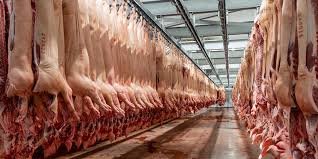
The Philippines’ Department of Agriculture (DA) has backed domestic hog raisers’ calls for higher tariffs on pork imports, as producers seek relief from falling farmgate prices and pressure from lower-priced imported meat.
In a report published by BusinessMirror on 25 October, the Samahang Industriya ng Agrikultura (Sinag) called for the restoration of pork import duties to 30% for in-quota shipments and 40% for out-of-quota shipments, together with a 120-day suspension of shipments. These are industry demands, not enacted policy changes.
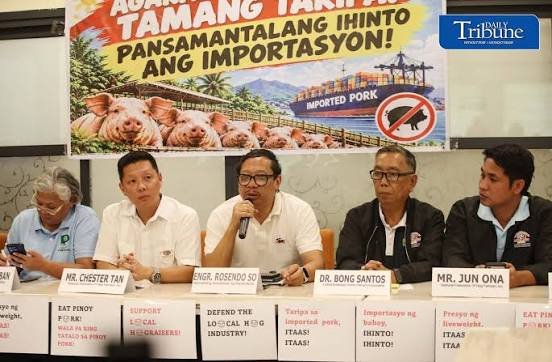
Agriculture Secretary Francisco Tiu Laurel Jr. said the department would pursue measures within its legal authority. The DA has also discussed potentially suspending sanitary and phytosanitary import clearances (SPSICs) for selected pork products, with a possible start around mid-November, subject to legal requirements.
Primary news sources: BusinessMirror, 25 October 2026; GMA News, 21 October 2026.
Tariff Proposals and Policy Status
Policy issue |
Position reported as of 25 October |
|---|---|
In-quota pork tariff |
Sinag seeks restoration to 30% |
Out-of-quota pork tariff |
Sinag seeks restoration to 40% |
Requested shipment suspension |
120 days, according to the industry group |
Existing tariff rates cited in the report |
15% in-quota and 25% out-of-quota |
Possible SPS import-clearance pause |
Under consideration, potentially from mid-November |
Products discussed for possible restriction |
Pork belly, selected pork cuts, whole pig and pork jowls |
Final implementation |
Not confirmed by the cited 25 October report |
The BusinessMirror report states that the DA cannot unilaterally change tariff rates and that the relevant legal and institutional process would be required. Tariff changes and suspension of SPS import clearances are distinct policy instruments, with different legal procedures and operational consequences.
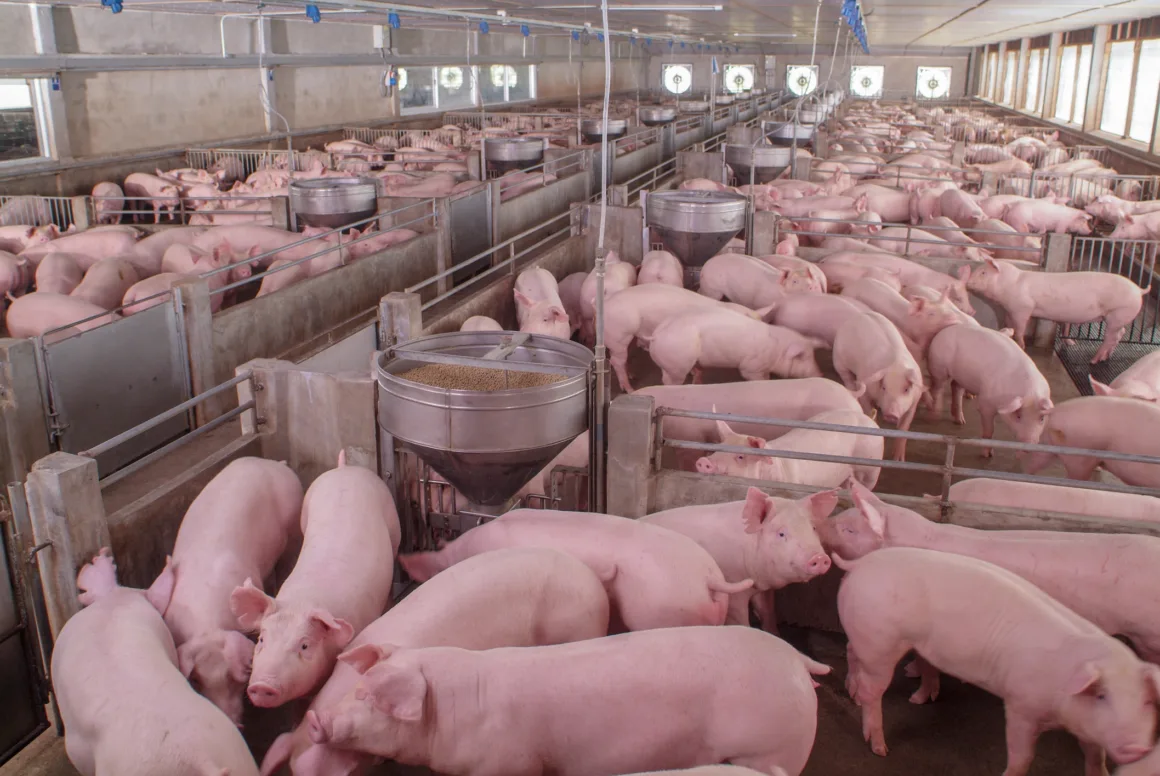
Why Domestic Hog producers are Seeking Protection
Hog raisers argue that cheaper pork imports have contributed to declining farmgate prices, squeezing returns at a time when producers need sufficient margins to sustain operations and rebuild herds.
The policy debate involves competing objectives. Higher tariffs or temporary restrictions could reduce import competition for domestic producers, but the eventual effect on farmgate prices would depend on domestic supply, demand, the composition of imports, market intermediaries and the duration and scope of any measure.
A restriction on selected cuts can also have different consequences from a general import ban. Pork processors and other commercial users may depend on specific imported cuts or raw materials, so the DA has indicated that requirements and possible exemptions would need to be assessed.
The DA’s support for producer relief should therefore be understood as a policy position within an ongoing process, not as a guarantee that hog prices will recover by a specific amount.
SPS Import-Clearance Restrictions: What is Being Considered?
The department has discussed suspending issuance of SPS import clearances for selected pork products. According to reporting by BusinessMirror, the possible measure could begin around mid-November, subject to the department being legally permitted to proceed, and could affect imports through January.
The mechanism matters. Suspending the issuance of new clearances is not necessarily the same as stopping shipments that have already been authorised or purchased. Earlier reporting indicated that the department was considering a temporary restriction while taking account of consignments already in the supply chain.
The precise products covered, exemptions, effective date, duration and treatment of existing permits should be confirmed from any final government order. Until then, businesses should not treat the proposed measure as an operational import ban.
Supply-Chain Implications
A temporary restriction could affect several parts of the Philippine meat supply chain:
-
Hog producers: Potentially reduced competition from imports, although the price effect would depend on local production and demand
-
Importers and traders: Increased uncertainty over future clearances, procurement commitments and delivery schedules
-
Meat processors: Possible need to reassess sourcing for specific cuts and product specifications
-
Retailers and food-service businesses: Exposure to changes in wholesale availability and purchase prices
-
Feed and veterinary suppliers: Any effect on feed demand, herd rebuilding or animal-health spending would be indirect and dependent on how producer margins and herd numbers change

