HomeLivestockArgentina’s SENASA Links Cattle-Tick Resistance Testing to Livestock Movement Controls

Argentina’s SENASA Links Cattle-Tick Resistance Testing to Livestock Movement Controls

Argentina’s livestock-sector regulatory framework is placing greater emphasis on identifying cattle-tick resistance to veterinary acaricides and linking that information to farm-level control measures and livestock movement procedures.

A report published by Primicias Rurales on 25 October highlighted requirements associated with National Service for Agrifood Health and Quality (SENASA) Resolution 655/2026. The resolution, published in Argentina’s Official Gazette in July, sets out procedures covering tick-resistance classification, pre-dispatch inspection of livestock and follow-up action at establishments where resistance is identified.

The framework is relevant to cattle, buffaloes and horses covered by the specified pre-dispatch procedure. It combines inspection and documentation with laboratory-based assessment of tick susceptibility, creating a regulatory incentive to move away from repeated use of acaricides that may no longer provide effective control.

Producers, veterinarians and livestock traders should consult the official resolution for the precise obligations applicable to their establishment and movement.

Primary regulatory source: Argentina’s Official Gazette — SENASA Resolution 655/2026.
How the Regulatory Process Works

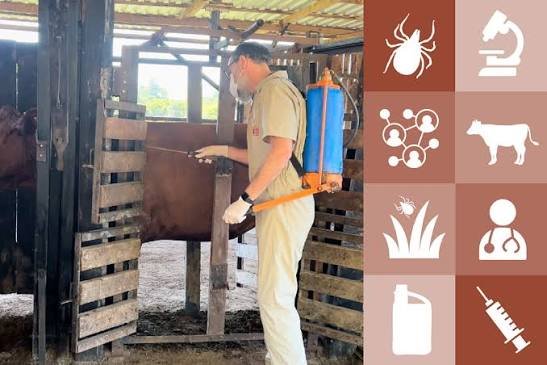
The framework combines pre-dispatch examination with documentation and, where required, resistance testing.

Process element
Regulatory or operational significance
Pre-dispatch inspection
Animals covered by the procedure are examined before movement, subject to the applicable requirements
Accredited personnel
Inspections are conducted by authorised technicians, veterinarians or other personnel designated under the framework
FIDHA documentation
Findings are recorded on the livestock inspection and dispatch form
Electronic transit document
The DT-e is part of the livestock movement documentation process; issuance depends on the applicable conditions being met
Detection of live ectoparasites
Animals may be refused movement under the relevant procedure until corrective requirements are satisfied
Resistance assessment
Bioassay testing can establish the degree of tick resistance to acaricides
Follow-up at affected establishments
Producers and accredited veterinarians must implement the measures prescribed for the relevant resistance classification

The official resolution sets out more detailed procedures than can be captured in this summary. In particular, livestock movement permissions should not be interpreted as automatic: the decision depends on the applicable inspection outcome and regulatory conditions.

Why Acaricide Resistance Matters

Cattle ticks can reduce productivity through blood loss, hide damage, animal stress and their role as vectors of pathogens. Control programmes commonly depend on acaricides, but repeated selection pressure, incorrect dosing, poor application practices and reliance on products with the same mode of action can contribute to reduced susceptibility.

When resistance develops, continuing to use an ineffective product may increase expenditure without delivering adequate parasite control. The problem can also undermine neighbouring farms’ control programmes where animals move between holdings or where ticks spread through shared grazing, transport or other contact pathways.

Resistance testing provides a more objective basis for selecting active ingredients. Rather than assuming that a product remains effective because it worked in previous seasons, a producer can use laboratory evidence to guide the next control strategy.

What Resolution 655/2026 Means for Producers

The Official Gazette text includes a structured approach to classifying establishments by resistance status. It also specifies corrective action for establishments classified in the highest resistance category described in the resolution.

Under the provisions published in the resolution, establishments classified with grade 3 resistance must work with an accredited private veterinarian to assess the situation and review the veterinary medicinal products used. The programme must be adjusted to use active ingredients to which ticks demonstrate high susceptibility. The resolution also specifies repeat bioassay testing after 12 months to update the establishment’s status.

The exact application of these provisions should be checked against the complete legal text and any subsequent official amendments or instructions. They should not be generalised to every farm or every acaricide without examining the relevant resistance classification.

Commercial Implications for the Veterinary Industry

The framework is relevant to several parts of Argentina’s animal-health market:

1. Diagnostic laboratories: Demand may be supported by the need for properly conducted resistance bioassays and documented results. The regulation does not, however, establish a particular increase in testing volumes or identify a new laboratory contract

2. Acaricide manufacturers: Product efficacy data, resistance-management guidance and evidence supporting the use of appropriate active ingredients become more important when producers must demonstrate a technically sound control strategy

3. Veterinary practitioners: Accredited veterinarians have an important role in interpreting test results, reviewing product-use histories and designing integrated tick-control programmes

4. Livestock traders and transport operators: Pre-dispatch inspection and movement documentation create a compliance requirement that can affect dispatch timing where animals do not meet the applicable sanitary conditions

5. Producers: The economic objective is not simply to use more treatment. It is to improve the probability that treatment works, avoid unnecessary expenditure and maintain compliance with movement requirements

Animal Health India Editorial Team
Animal Health India Editorial Teamhttps://animalhealthindia.com
Animal Health India (AHI) is an independent news and intelligence platform covering the global animal health, veterinary, livestock, poultry, companion animal and pet food sectors. Our editorial team comprises veterinary journalists, animal health professionals, regulatory affairs specialists and industry analysts with over 30 years of combined experience covering India, Asia, Europe and North America. AHI publishes news, regulatory updates, market intelligence and company news drawn from primary sources including DAHD, EMA, USDA, AVMA and leading veterinary publications worldwide.
RELATED ARTICLES