HomePoultryDenmark HPAI Outbreak: 27,000 Turkeys to Be Culled on Lolland

Denmark HPAI Outbreak: 27,000 Turkeys to Be Culled on Lolland

Denmark has confirmed highly pathogenic avian influenza (HPAI) at a turkey holding in Stokkemarke, on the island of Lolland, prompting authorities to arrange the depopulation of approximately 27,000 turkeys on 26 October 2026.

The Danish Veterinary and Food Administration announced the outbreak on 25 October after infection was confirmed by the Statens Serum Institut. Protection and surveillance zones have been established around the affected holding, with stricter requirements for poultry keepers operating inside the restricted areas.

The Lolland event is Denmark’s second confirmed HPAI outbreak in a turkey flock within the same week. An earlier outbreak, reported on 23 October at Bøgelunde in Slagelse Municipality, involved approximately 40,000 turkeys.

Across the two separate holdings, the reported number of birds affected is therefore approximately 67,000. The figure does not represent a single farm or a single outbreak.

The timing coincides with autumn bird migration, a period when wild birds can contribute to the introduction and spread of avian influenza. Danish authorities are urging poultry keepers to strengthen biosecurity and prevent contact between domestic birds and wild birds.

Official sources: Danish Veterinary and Food Administration — 27,000 turkeys affected on Lolland and official HPAI outbreak table.
What Happened at Stokkemarke?

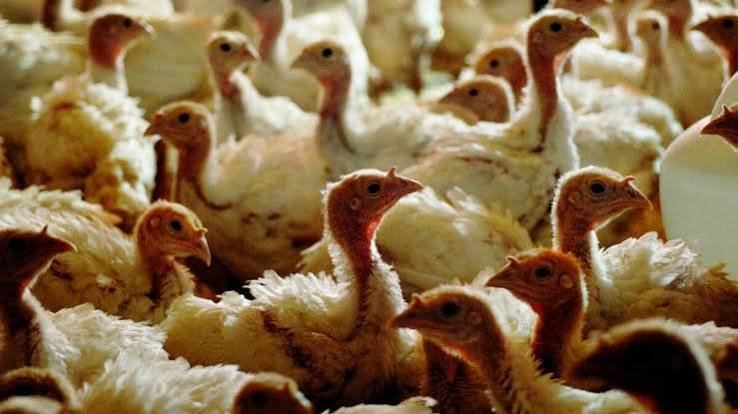
The Danish Veterinary and Food Administration confirmed on 25 October that a turkey holding in Stokkemarke, Lolland Municipality, had tested positive for highly pathogenic avian influenza.

The agency said approximately 27,000 turkeys were scheduled to be culled on Monday, 26 October, as part of the response to the outbreak.

The authorities established protection and surveillance zones around the infected holding. Poultry keepers within these zones must comply with additional disease-control requirements intended to limit transmission beyond the affected premises.

The official notice also highlights the importance of preventing wild birds from accessing domestic poultry, feed and drinking water. Changing footwear before entering bird-housing areas is among the practical measures recommended to reduce the risk of introducing infection.

The outbreak follows a separate detection at Bøgelunde, in Slagelse Municipality, on 23 October. That holding contained approximately 40,000 turkeys and was also subject to culling and restriction-zone measures.

Outbreak Timeline

Date
Location
Reported flock
Development
23 October 2026
Bøgelunde, Slagelse Municipality
Approximately 40,000 turkeys
First confirmed outbreak of the current season reported; restriction zones established
25 October 2026
Stokkemarke, Lolland Municipality
Approximately 27,000 turkeys
HPAI confirmed; culling announced for 26 October
26 October 2026
Stokkemarke, Lolland Municipality
Approximately 27,000 turkeys
Scheduled date for depopulation of the affected flock

The two outbreaks account for approximately 67,000 turkeys. This is the combined reported flock size, not a verified figure for birds already culled at the time of publication.

The Danish authority’s official outbreak register lists the Bøgelunde outbreak on 23 October and the Lolland event in the authority’s current outbreak reporting.

What is HPAI, and Why Does it Matter to Commercial Turkey Production?

Highly pathogenic avian influenza is a contagious viral disease that can cause severe illness and high mortality in susceptible bird populations. Commercial outbreaks can trigger depopulation, movement restrictions, enhanced surveillance and intensive cleaning and disinfection.

For a turkey producer, an outbreak can have consequences extending beyond the infected flock. Depending on the applicable rules and epidemiological findings, restrictions may affect the movement of live birds, eggs and poultry products, as well as the operation of markets or exhibitions within restricted zones.

The consequences for individual businesses depend on flock size, production stage, contractual obligations, the scope of restrictions and the time required to complete control measures.

The current Danish events demonstrate how two detections within a short period can place additional demands on veterinary authorities, poultry producers, diagnostic laboratories and disease-control services.

Why Autumn Migration Matters

The Danish Veterinary and Food Administration noted that HPAI had also been detected in wild birds in recent weeks and that autumn migration increases the relevance of wild-bird surveillance.

Migratory birds can contribute to the movement of avian influenza viruses across geographical areas. The precise pathway into any individual commercial flock, however, should not be assumed without an epidemiological investigation.

The agency’s latest cited assessment continued to classify the threat from wild birds as medium under its existing national assessment dated 4 May 2026. That classification is distinct from the confirmed infection status of an individual farm: an outbreak can occur even when the broader threat level is not rated high.

For poultry operators, the operational lesson is to maintain biosecurity consistently rather than waiting for a national risk rating to change.

Biosecurity Measures Highlighted by Danish Authorities

The Danish Veterinary and Food Administration has emphasised practical steps to reduce the risk of contact between wild birds and domestic poultry.

Prevent access to birds, feed and water – Wild birds should be prevented from entering poultry housing and accessing feed or drinking water wherever practical. Feed storage, water points and building openings should be reviewed for potential exposure routes.

Strengthen personnel hygiene – Changing footwear before entering poultry areas can help reduce the movement of contaminated material between locations. Farms should also review visitor access, equipment movement and the separation of clean and potentially contaminated areas.

Monitor flock health and report suspicion – Poultry keepers should pay attention to unusual mortality, changes in feed or water consumption, reduced activity and other unexplained flock-health changes. Suspected disease should be reported promptly to the competent veterinary authority under local requirements.

Maintain movement controls – Farms within protection and surveillance zones must follow the relevant restrictions. The Danish authority states that movement of live birds, eggs and poultry products into or out of these zones may require specific permission, and that markets, exhibitions and competitions involving birds are restricted while the applicable measures remain in force.

The zones will be lifted when the authority has completed the required investigations and considers the risk of further spread sufficiently reduced. Operators should consult the official rules and zone maps rather than relying on general descriptions.

Commercial Implications for the Danish and European Poultry Sector

Immediate impact on the affected holdings

The direct consequences include the loss of the affected flocks, operational disruption, depopulation and cleaning requirements, and veterinary investigations. The financial consequences for individual businesses depend on the relevant compensation arrangements, insurance, contracts and production circumstances; the cited outbreak notice does not establish the final financial impact.

Potential supply-chain disruption

The removal of approximately 67,000 turkeys across two separate outbreaks can affect the production schedules of the involved farms. Whether this creates a measurable regional or national supply effect depends on Denmark’s total turkey production, slaughter timing, inventory, trade flows and the duration of restrictions.

The two flock sizes alone are not sufficient to calculate a reliable market-price impact.

Increased attention to surveillance and biosecurity services

The outbreaks reinforce the operational importance of diagnostic capacity, surveillance, farm-access controls, cleaning and disinfection, protective equipment and veterinary response services.

For animal-health suppliers, demand implications should be assessed carefully. An outbreak can raise the importance of disease-control products and services, but it does not automatically translate into a quantified increase in sales.

Animal Health India Editorial Team
Animal Health India Editorial Teamhttps://animalhealthindia.com
Animal Health India (AHI) is an independent news and intelligence platform covering the global animal health, veterinary, livestock, poultry, companion animal and pet food sectors. Our editorial team comprises veterinary journalists, animal health professionals, regulatory affairs specialists and industry analysts with over 30 years of combined experience covering India, Asia, Europe and North America. AHI publishes news, regulatory updates, market intelligence and company news drawn from primary sources including DAHD, EMA, USDA, AVMA and leading veterinary publications worldwide.
RELATED ARTICLES